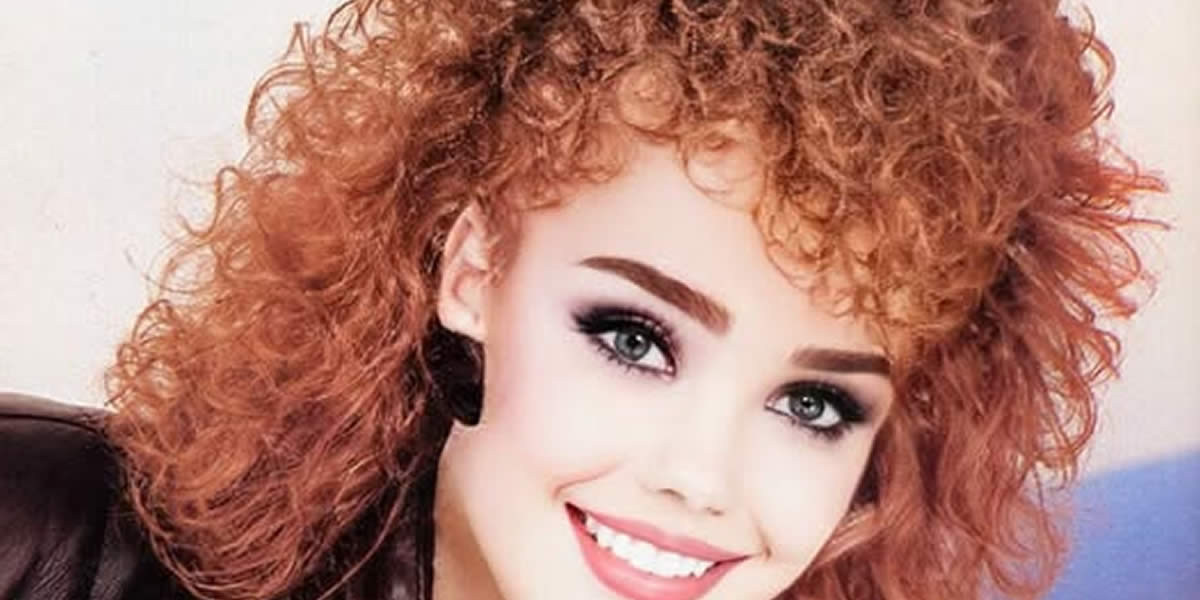
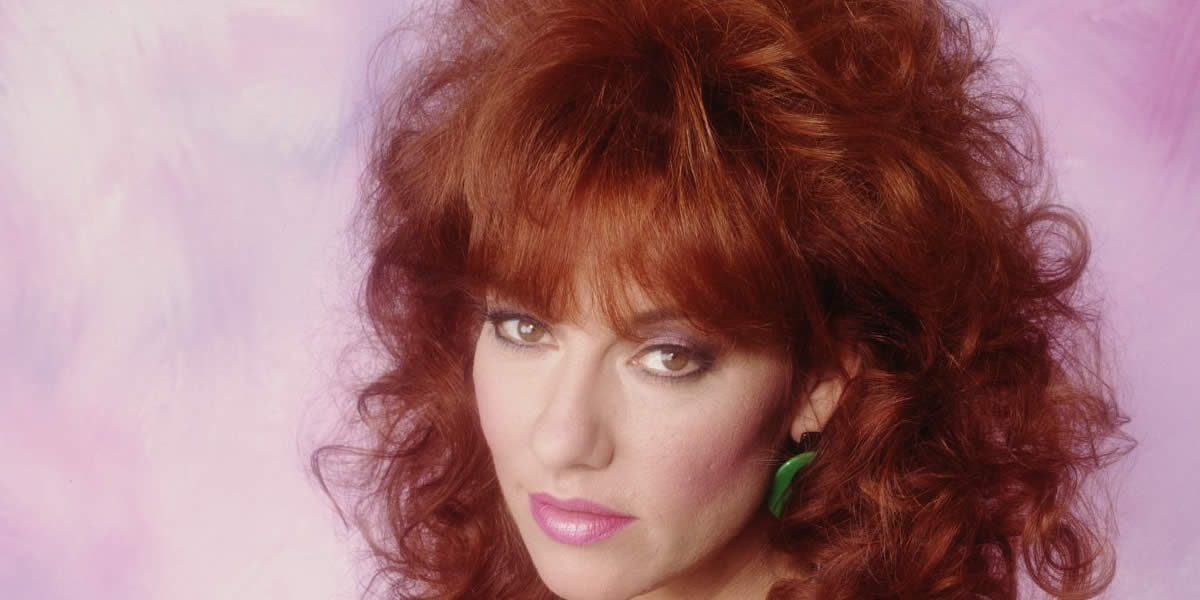
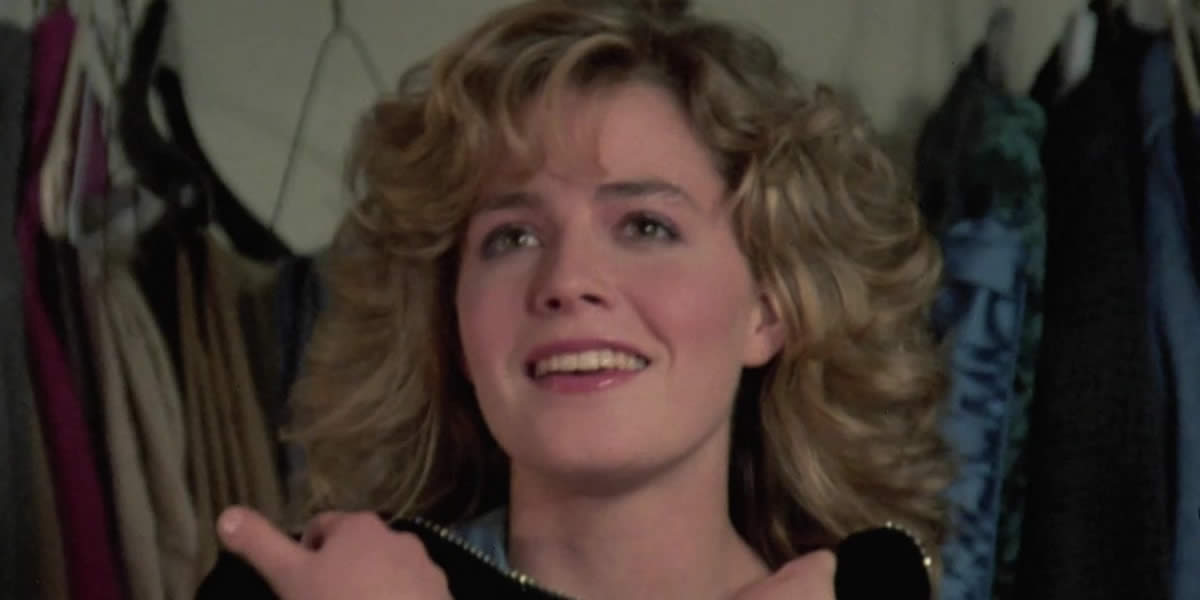
From Farrah Fawcett’s famous layers to the voluminous blowouts of the 1980s, feathered hair remains a defining look that continues to inspire modern style.
Imagine a familiar scene from an old family photograph. The shoulders are broad, the blouse has a colorful geometric pattern, and the earrings are large enough to catch the light from across the room. But it is the hair that draws the eye first. Swept away from the face, layered into soft, outward-facing curves, and lifted into a generous wave, it seems to possess its own sense of movement, even in a photograph that has been sitting in an album for four decades.
That is the particular magic of 80s feathered hair. It looks carefully arranged without appearing entirely rigid, polished without being flat, and glamorous without necessarily requiring an evening gown. The style has a recognizable silhouette, but its appeal lies in the details: the way the layers separate, the way the ends turn outward, and the way a few strands seem to fall into place almost by accident.
During the 1980s, feathered hair became part of a broader visual culture that prized volume, personality, and a finished appearance. It appeared in school yearbooks, television dramas, music videos, fashion magazines, and family celebrations. For some women, it was a softer alternative to the decade’s enormous, tightly curled hairstyles. For others, it was a way to achieve a full, glamorous look that could move naturally with the head and shoulders.
The hairstyle had roots in the previous decade, particularly in the famous layered look associated with actress Farrah Fawcett. Yet it proved adaptable enough to survive the transition into the 1980s, when beauty trends were becoming more varied and more conspicuous. Feathered hair could be worn long or short, blonde or brunette, casually tousled or meticulously styled.
Its continued appeal is not difficult to understand. Unlike some period hairstyles that depend on a very specific cut or exaggerated silhouette, feathered layers work with the natural movement of hair. They frame the face, create the impression of fullness, and allow a style to change subtly as the wearer moves.
The history of feathered hair is therefore about more than a haircut. It is a story of television, celebrity, changing beauty ideals, salon craftsmanship, and the enduring attraction of a style that looks alive rather than simply arranged.
The Timelessness of 80s Feathered Hair How Feathered Hair Became an Icon of the 1980s Feathered hair did not originate in the 1980s. Its rise began during the 1970s, when longer, layered hairstyles offered an alternative to the more structured cuts that had dominated earlier periods. Hair increasingly appeared relaxed and flowing, with movement becoming as important as shape.
One of the most influential examples arrived with Farrah Fawcett, whose appearance on the television series Charlie’s Angels helped make her a major popular culture figure. Her blonde hair, cut into layers that swept away from her face, became one of the most widely recognized beauty looks of the late 1970s.
The Smithsonian’s National Museum of American History documents the influence of Fawcett’s famous 1976 poster, which helped establish her as a style icon. Her feathered hairstyle was copied by women around the world, and the associated products and merchandise demonstrated how a television personality’s appearance could become a commercial phenomenon.
By the time the 1980s arrived, the basic idea had already become familiar. What changed was the context in which it was worn.
The new decade embraced a broader range of hairstyles, from short, sculpted cuts to large perms and dramatically teased hair. Feathering offered another possibility. It provided volume without requiring every strand to be curled into a tight ringlet, and it created a softer outline than some of the more theatrical looks associated with the period.
The technique was also adaptable. A stylist could use layers to create movement around the cheeks, lift the crown, or give long hair a more defined shape. The ends could be directed outward, producing the characteristic winged effect, while the top remained relatively smooth.
This flexibility helped feathered hair bridge two different fashion sensibilities. It retained something of the relaxed, flowing look of the 1970s while fitting comfortably into the more polished beauty culture of the 1980s.
The style did not need to dominate every fashion magazine to remain influential. It was already familiar enough to be reproduced in local salons and modified according to individual preference. A customer could request a recognizable version of the look without trying to replicate a celebrity’s exact haircut.
That distinction matters. Fashion trends often become enduring when they stop belonging exclusively to the people who first popularized them. Feathered hair had become a style that ordinary people could make their own.
The Farrah Fawcett Influence and the Power of Celebrity Hair Any account of feathered hair must begin with Farrah Fawcett, not because she invented the technique, but because her image helped define it for a generation.
Fawcett’s role as Jill Munroe in Charlie’s Angels , which debuted in 1976, placed her in front of a large television audience. Her signature hairstyle was equally important to her public image. The blonde layers, swept-back sides, and full, flowing shape created an appearance that was immediately recognizable.
Her famous red-swimsuit poster reinforced that image. According to the Smithsonian, the photograph became one of the best-selling posters of its time, eventually selling more than 12 million copies. Fawcett’s hairstyle was not incidental to the photograph’s success. It formed a major part of the image that people remembered and tried to reproduce.
Celebrity hairstyles had existed for decades, but the combination of television, posters, magazines, and commercial beauty products made this particular look unusually visible. Women could encounter Fawcett’s image in several different settings, and the repeated exposure helped turn a fashionable haircut into a cultural reference point.
The influence extended beyond a simple desire to resemble a famous actress. Fawcett’s hairstyle suggested an appealing combination of naturalness and careful preparation. The hair looked soft and touchable, yet its shape was unmistakably deliberate. The layers framed the face, while the outward sweep gave the style an impression of energy.
That balance proved durable. A hairstyle that looks too rigid can quickly feel dated when fashion changes, while one that appears completely unstructured may lack a distinctive silhouette. Feathered hair occupied a useful middle ground.
Other television personalities and entertainers wore variations on layered, feathered cuts, further normalizing the look. As the 1980s progressed, it became possible to recognize the style without associating every version directly with Fawcett.
Her influence remained important, but the hairstyle had acquired a life of its own. It could be adapted to different hair colors, lengths, face shapes, and personal styles.
The broader lesson is that celebrity influence often works through repetition and adaptation. A familiar image provides the initial inspiration, but salons and customers translate it into something more practical for everyday life.
Feathered hair survived because it could be recognized as glamorous without requiring everyone to look exactly alike.
What Made 80s Feathered Hair So Distinctive? The defining feature of feathered hair is its movement. Rather than falling in a single, uniform shape, the hair is cut into layers that can be directed away from the face or allowed to curve around it. The result is a series of soft, overlapping sections that resemble the arrangement of feathers.
The technique depends on the relationship between the haircut and the styling. Layers alone do not guarantee the characteristic finish. Blow-drying, brushing, and directing the ends help create the outward sweep that gives the hairstyle its identity.
In a classic version, the front sections move away from the forehead and temples, opening up the face. The sides may curve backward, while the ends turn outward or blend into longer layers. The crown can be lifted to create additional fullness, although not every feathered style requires substantial height.
The effect differs from a perm, which changes the hair’s structure chemically to produce a lasting wave or curl. Feathered hair is primarily a cutting and styling approach. A person with naturally straight hair can wear it, as can someone whose hair already has a gentle wave. The styling method may differ, but the goal remains similar: creating a layered shape with visible movement.
The distinction also separates feathered hair from the most exaggerated forms of 1980s big hair. Both can involve volume, but they achieve their effects differently. Big hair often emphasizes height and width, sometimes through teasing and strong-hold products. Feathering places greater emphasis on the direction of individual layers and the way they flow together.
This makes the style particularly effective around the face. A carefully cut fringe can blend into the side layers, while longer sections can soften the outline of the jaw and shoulders. The result can be flattering without requiring a highly complicated arrangement.
The haircut also changes depending on length. Shorter feathered styles can create a lively, textured shape around the ears and nape. Medium-length hair offers room for fuller layers and a more pronounced outward sweep. Long hair allows the feathered sections to extend down toward the shoulders, creating a more flowing silhouette.
These variations help explain why the hairstyle remained useful beyond its original period of popularity. Its defining principle is not a single measurement or a fixed amount of volume. It is the movement created when layers are cut and styled to work together.
Feathered Hair, Big Hair, and the Beauty Culture of the 80s The 1980s are often remembered for conspicuous fashion, from oversized jackets and bold prints to bright makeup and statement accessories. Hair participated in the same visual shift.
Appearance increasingly functioned as a form of self-presentation. Television, popular music, advertising, and fashion magazines offered images of carefully assembled looks, encouraging people to experiment with different combinations of clothing, makeup, and hairstyles.
Feathered hair fit into this environment without always embracing its most extreme tendencies. It could be full and glamorous, but it retained a sense of softness. For someone who wanted a fashionable silhouette without the height or density of a heavily teased hairstyle, feathering provided a practical alternative.
The style also worked well with the decade’s clothing. Layered hair could soften the strong lines of a blazer with padded shoulders , complement the open neckline of a blouse, or balance large earrings. Its movement added a contrasting element to outfits built around sharper shapes.
There was no universal 1980s look, and fashion varied considerably throughout the decade. Some people preferred sleek hair, short cuts, or more natural textures. Others embraced perms, asymmetrical styles, or elaborate arrangements held in place with styling products. Feathered hair occupied one part of this larger landscape rather than defining it entirely.
Its popularity also reflected the importance of the salon. A good feathered cut required more than asking for layers. The stylist had to consider how the hair would fall, where the volume should sit, and how the ends could be shaped to create the desired effect.
The blow-dryer became especially important to achieving the finished appearance. A round brush could lift the roots and direct the sections outward, while rollers or a curling iron could help establish the desired bend. Hairspray or mousse might be used to support the style, depending on the hair and the amount of hold required.
For customers, this meant that a haircut and its daily styling were closely connected. The salon established the shape, but maintaining it at home required some familiarity with the tools and techniques.
Feathered hair therefore represented a particular kind of glamour: one that looked approachable but still involved skill. It could be worn to the office, to a family gathering, or to a night out, with relatively small adjustments in volume and finish.
That versatility gave it a place in everyday fashion. It was distinctive enough to look current, but practical enough to become a familiar part of a person’s appearance.
The Salon Ritual: How Feathered Hair Was Created and Maintained A feathered hairstyle often began with a conversation about length, layers, and the way the hair naturally behaved. The stylist needed to understand whether the customer wanted a subtle frame around the face or a more dramatic, swept-back shape.
The haircut established the foundation. Layers were arranged so that the sections could overlap and move independently, rather than forming a single heavy line at the ends. The placement of those layers affected the overall silhouette. Too much weight in the wrong area could make the style fall flat, while an unsuitable cut could leave the hair difficult to arrange.
Styling brought the shape to life.
After washing, the hair could be dried with a round brush, lifting sections at the roots and directing the ends away from the face. Depending on the desired result, rollers or a curling iron could be used to reinforce the bend in the hair. The final arrangement might be brushed through to soften the sections and allow them to blend.
The objective was not necessarily to create a visible curl. Feathered hair often relied on a bend rather than a complete spiral. The ends needed enough shape to sweep outward, while the upper sections retained enough lift to prevent the hairstyle from looking flat.
This could require practice. The angle of the brush, the direction of the airflow, and the amount of tension applied to each section all influenced the result. Hair that was very fine might need a different approach from hair that was thick or naturally wavy.
Styling products could help, but they were not substitutes for a suitable cut and technique. Mousse offered a way to support volume, while hairspray could help preserve the shape. Too much product, however, could make the hair feel stiff or weigh down the movement that gave the style its appeal.
Maintenance also depended on the wearer’s routine. Some people could refresh their hair quickly with a brush and a little heat, while others needed more time to restore the original shape. Humidity, wind, and the natural texture of the hair could all affect the finish.
The style’s apparent ease was therefore slightly deceptive. Feathered hair looked as though it moved naturally, but achieving that effect often involved a deliberate sequence of cutting, drying, and shaping.
That combination of professional craftsmanship and everyday technique helped establish the haircut as a salon staple. It was not simply a celebrity look copied from a photograph. It was a repeatable method that stylists could adapt to their customers.
From Television Screens to Family Albums: How the Style Entered Everyday Life The influence of feathered hair becomes especially clear when it is considered outside the world of celebrities.
Television supplied the images, but school photographs, workplace portraits, wedding pictures, and family albums show how widely people adapted the look. The hairstyle could be recognized in different settings without looking identical in every case.
A teenager might choose feathered layers to make a new haircut feel fashionable. An adult might prefer a more restrained version that added shape without demanding an entirely new wardrobe. Someone with longer hair could adopt the outward sweep around the face while retaining much of the existing length.
These everyday versions were important because they made the trend sustainable. A hairstyle that works only under studio lighting or in a professional photo shoot has limited practical reach. Feathered hair could be adjusted to fit ordinary routines and budgets.
It was also compatible with different levels of styling commitment. Some versions depended on regular blow-drying and carefully arranged layers. Others could be worn more casually, with the natural texture of the hair providing much of the movement.
The result was a style that could signal participation in contemporary fashion without requiring complete conformity to it. People could take the general idea and make small adjustments according to personal taste.
This process is common in popular culture. A look begins with highly visible examples, but its wider significance emerges through the choices of people who adapt it to their own lives. The original reference may become less important over time, even as the style itself remains recognizable.
Feathered hair also crossed the boundaries between formal and informal occasions. A carefully styled version could complement an evening outfit, while a softer arrangement could work for everyday wear. Its adaptability made it useful at a time when many people were experimenting with more expressive personal styles.
The hairstyle’s place in family photographs now gives it an additional significance. Looking back, it can help identify a particular period, but it also reveals the individual preferences that existed within that period. One person may have favored a high, dramatic crown, while another preferred long, understated layers.
The shared silhouette connects the photographs, but the differences tell a more interesting story. Fashion was never simply a matter of everyone wearing the same thing. It was a process of choosing, adapting, and interpreting what was available.
Why Feathered Hair Never Really Went Out of Style Fashion moves in cycles, but some techniques remain useful even when their most recognizable versions fall out of favor. Feathered hair is a good example.
As the 1980s gave way to the 1990s, beauty trends shifted toward a variety of different silhouettes. Sleeker styles and simpler cuts gained visibility, and some of the more elaborate styling associated with the previous decade became shorthand for an earlier era. The feathered look was no longer the default image of fashionable hair.
Yet the underlying principles remained relevant. Layers still helped create movement. Face-framing sections still softened a haircut. Blow-drying could still give the roots lift and direct the ends into a particular shape.
What changed was the presentation. Later interpretations could use less volume, softer layers, or a more relaxed finish. The same basic approach could appear contemporary when paired with a different cut and a different styling routine.
This is one reason feathered hair has been repeatedly rediscovered. It can be associated with a particular decade without being limited to it. The style’s identity comes from the way the hair moves, not solely from the products or fashions that surrounded it in the 1980s.
Nostalgia has helped maintain its visibility, particularly as older television shows, films, and photographs continue to circulate. But nostalgia alone does not explain why the haircut remains appealing. Its practical qualities matter, too.
Well-placed layers can give hair shape without requiring every section to be curled individually. A swept-back fringe can open up the face, and the outward movement of the ends can make a simple haircut feel more finished. These are useful effects regardless of the decade.
Modern styling also offers more options for adapting the look. A contemporary version might be softer and less symmetrical than a classic 1980s blowout, or it might deliberately embrace the larger silhouette associated with vintage glamour. Neither approach needs to reproduce an entire period costume to work.
The enduring lesson is that fashion trends are rarely abandoned in their entirety. Elements that remain practical or visually appealing are absorbed into later styles, where they acquire new meanings.
Feathered hair has survived in precisely this way. Its original associations remain recognizable, but its essential technique continues to serve people who want movement, shape, and a flattering frame around the face.
How to Wear 80s Feathered Hair Today A contemporary take on 80s feathered hair begins with understanding what made the original style work. The goal is not necessarily to recreate the tallest crown or the most dramatic outward sweep. It is to use layers and direction to create a sense of movement.
The first consideration is the haircut. Face-framing layers can provide the characteristic shape, but their length and placement should suit the individual’s hair texture and preferred routine. A consultation with a stylist can help establish how much layering is appropriate and how the ends should fall.
Length is flexible. Shorter cuts can produce a lively, textured outline, while medium-length hair allows for more pronounced feathering around the shoulders. Longer hair can retain much of its length while incorporating softer layers around the face.
Styling can then be adjusted to the desired finish. A round brush and blow-dryer can lift the roots and direct the sections outward. A curling iron can reinforce the bend where necessary, although heat should be used thoughtfully to avoid unnecessary damage. A light styling product may help provide hold without sacrificing movement.
The amount of volume is a matter of personal preference. Someone seeking a subtle, modern interpretation may prefer a soft curve at the ends and relatively little height at the crown. A person drawn to vintage glamour might choose fuller layers and a more noticeable sweep away from the face.
Hair texture also matters. Naturally wavy hair may need less work to achieve movement, while very straight hair may require more deliberate styling. Thick hair can benefit from carefully placed layers that prevent the ends from appearing too heavy. Fine hair may need a cut that creates the impression of fullness without removing too much weight.
The most successful interpretation is usually one that works with the hair rather than fighting against it. A photograph can communicate the desired direction, but a stylist needs to adapt that reference to the person’s natural texture, length, and lifestyle.
This is where the hairstyle’s timelessness becomes practical rather than merely nostalgic. Feathered hair does not depend on reproducing every detail of an old photograph. Its appeal rests on a simple idea: hair can have structure and still move freely.
That balance allows the look to feel familiar without appearing trapped in the past.
The Timeless Appeal of 80s Feathered Hair Feathered hair remains one of the most recognizable beauty styles associated with the late 1970s and 1980s because it captured something more enduring than a particular fashion silhouette.
It offered movement without disorder, volume without necessarily requiring extreme height, and glamour without limiting itself to formal occasions. It could be adapted to different lengths, textures, and personal preferences, making it useful to people who wanted a fashionable appearance that still felt like their own.
Its history also demonstrates how popular culture turns a hairstyle into a shared reference. Farrah Fawcett’s television appearances and famous poster gave feathered layers an extraordinary degree of visibility. Salons translated that image into practical haircuts, and customers adapted those cuts to their everyday lives.
The style subsequently moved through the familiar cycle of fashion. It became popular, acquired strong associations with its era, and eventually became a source of nostalgia. Yet the techniques that created it never lost their usefulness.
Today, feathered hair can be worn as a direct nod to vintage glamour or as a softer, contemporary interpretation of the same principles. Its shape can be exaggerated or restrained, depending on the person and the occasion.
Perhaps that is the reason it continues to return. Feathered hair is unmistakably associated with a particular period, but it does not require a person to live in that period to appreciate it. Its layers still frame the face, its ends still catch the light, and its movement still gives a haircut a sense of life.
In an industry that continually introduces new trends, the ability to adapt may be the most enduring quality of all. Feathered hair has never needed to remain unchanged to remain relevant. It has simply needed to keep moving.