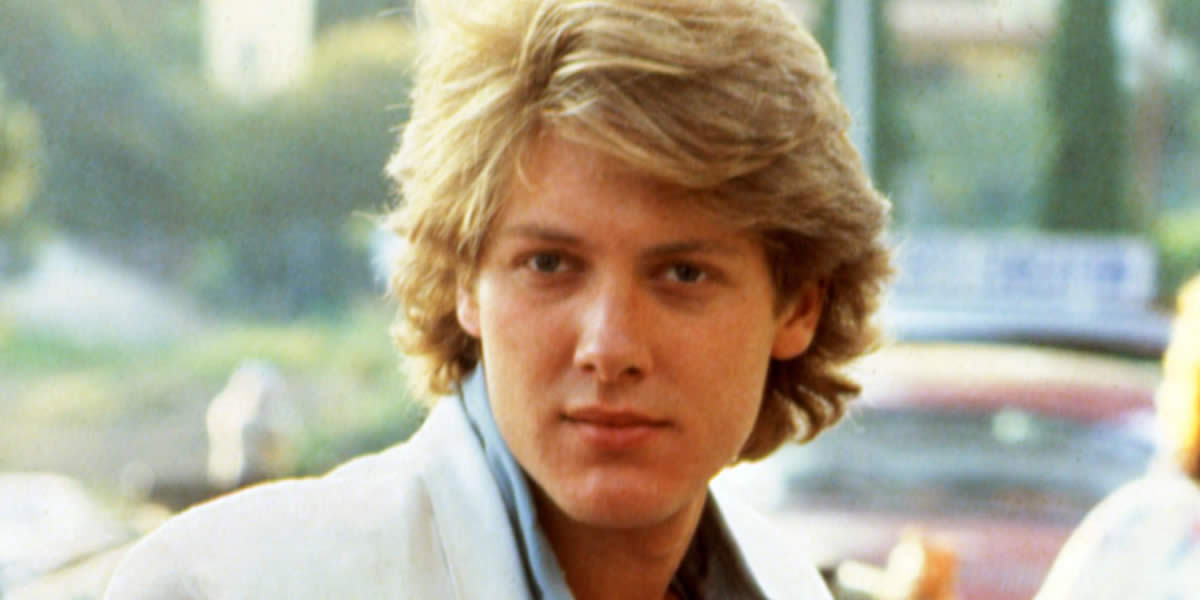
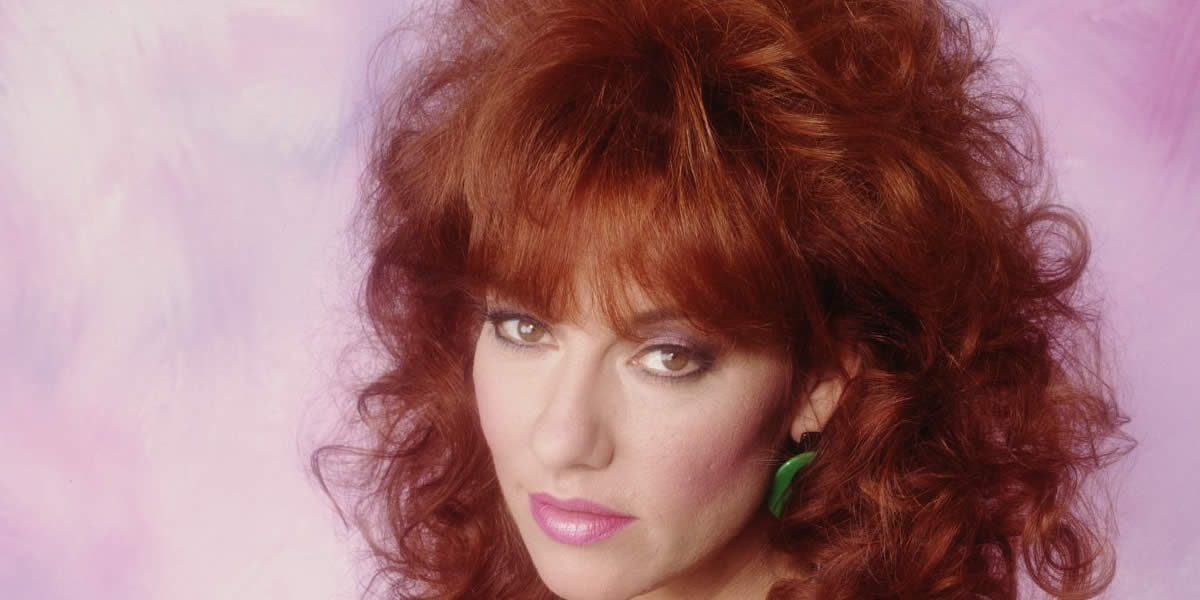
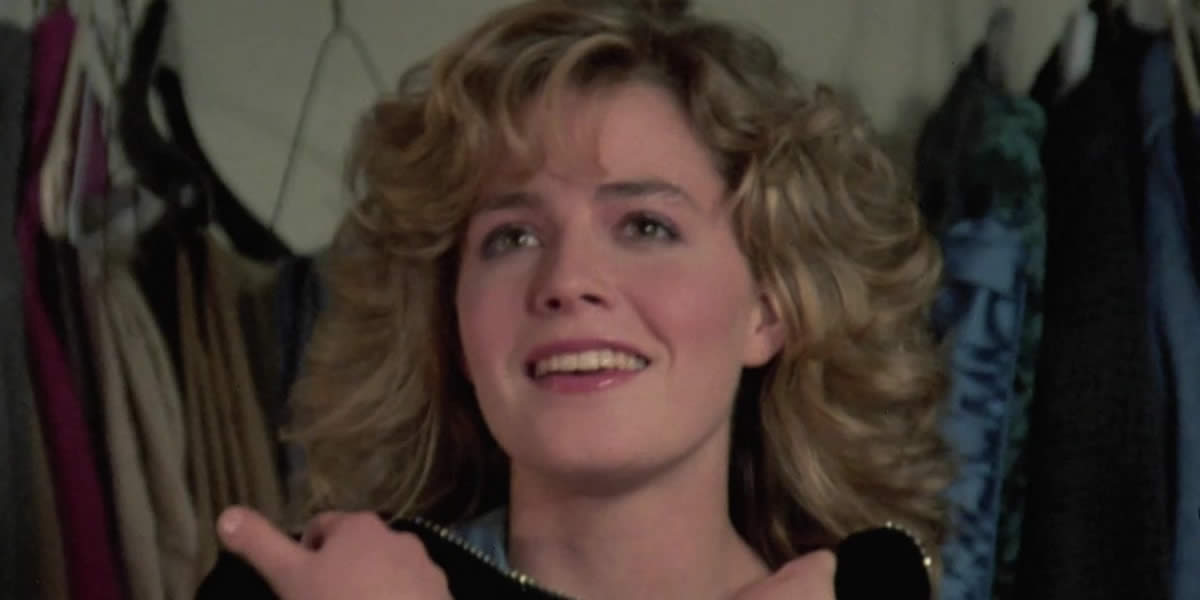
From salon chairs to music videos, the 1980s perm transformed everyday hair into a statement of confidence, individuality, and unmistakable decade-defining style.
On a Saturday morning in the 1980s, a visit to the hair salon could involve a familiar collection of sights and sounds: the hum of blow dryers, the rustle of magazines, the sharp scent of styling products, and rows of women waiting beneath plastic caps or seated with their hair wrapped around rollers. Outside, the decade was gathering speed. Music television was changing how people dressed, fashion was becoming bolder, and personal appearance offered new opportunities to express ambition and individuality. Inside the salon, another transformation was taking place, one curl at a time.
The perm was becoming one of the most recognizable hairstyles of the era. Hair that might otherwise have fallen straight or rested in soft waves was coaxed into spirals, ripples, and carefully arranged volumes. Some perms produced tight curls that framed the face. Others created loose waves and generous body. The most unmistakable versions seemed to defy gravity, rising above the forehead and spreading outward with a confidence that matched the decade’s broader aesthetic.
The 1980s perm was more than a beauty trend. It represented a particular understanding of glamour, one in which hair could be deliberately constructed, maintained, and displayed. It crossed generations and social settings, appearing in school photographs, office portraits, wedding albums, television dramas, and music videos. It could suggest professional polish, romantic softness, rock-and-roll rebellion, or simply a desire for hair that looked fuller and required less daily curling.
Yet the perm did not begin in the 1980s, and not everyone wore it the same way. Its popularity drew on decades of hairstyling history, evolving salon techniques, changing ideas about beauty, and a culture increasingly fascinated by image. To understand why the perm became so closely associated with the decade, it helps to look beyond the curls themselves and consider what they said about the people who chose them.
The Perm Was One of the Most Iconic Hairstyles of the 80s How the Perm Became a Defining Hairstyle of the 1980s Permanent waving had been part of modern hairstyling long before the 1980s. Early permanent-wave techniques emerged in the early twentieth century, and improvements in chemical treatments eventually made the process more practical than the cumbersome, heat-intensive methods that preceded them. By the middle of the century, the perm had established itself as a familiar salon service.
What changed in the 1980s was the way curls fitted into the larger visual language of popular culture. The decade favored conspicuous silhouettes. Clothing often featured broad shoulders, oversized jackets, bright colors, and strong contrasts. Makeup could be equally expressive, with defined eyes, vivid blush, and saturated lipstick. Hair became another part of this carefully assembled appearance.
Straight, sleek styles remained fashionable, and short hair continued to appeal to people who preferred a more restrained or unconventional look. But the perm offered something particularly suited to the period: volume that could be built into the hair rather than created entirely through daily styling.
A person with naturally fine or straight hair could leave a salon with a noticeably different texture. Curls gave the hair shape even before a brush, curling iron, or can of hairspray entered the picture. For those who wanted a fuller appearance, this was a practical attraction as well as a fashionable one.
The perm also worked across a wide range of ages. Younger women could wear it with layered cuts and oversized sweaters, while older women might choose softer waves that complemented a familiar shoulder-length hairstyle. Men experimented with curls and waves, too, particularly in music scenes where longer hair and a carefully cultivated appearance were part of the image.
There was no single 1980s perm. Its defining characteristic was less a precise curl pattern than an emphasis on texture, body, and intentional styling. The result could be subtle or dramatic, depending on the hair, the treatment, and the person wearing it.
That flexibility helped the perm become a widespread feature of the decade. It was recognizable enough to belong to the era, yet adaptable enough to fit into everyday life.
The Big Hair Look: Volume, Curls, and Confidence The phrase “big hair ” captures one of the most enduring images of 1980s beauty. Hair rose at the crown, expanded around the sides, and frequently appeared to occupy as much visual space as the shoulders beneath it. A perm could provide the underlying texture that made this silhouette possible.
The effect depended on several elements working together. Curls created lift and separation. Layers helped the hair spread into a fuller shape. Blow-drying and backcombing could add height, while hairspray helped keep the finished style in place. Some people preferred a soft, cloudlike mass of curls; others arranged their hair into a more controlled shape, with the front lifted and the sides carefully defined.
The perm itself did not automatically create enormous hair. It established a lasting pattern of waves or curls, which could then be styled in different ways. A tightly curled perm might produce a compact, textured shape, while a looser treatment could give longer hair movement and body. The size of the finished hairstyle depended on the haircut, the desired result, and the amount of styling involved.
What mattered culturally was the visibility of the result. Hair was not always expected to disappear into the background. It could be one of the most noticeable features of an outfit, deliberately balancing a dramatic jacket, a pair of large earrings, or a brightly colored blouse.
This was not simply a matter of following fashion blindly. Volume could communicate different things to different people. It might feel glamorous, youthful, feminine, rebellious, or professionally put together. For someone who had spent years trying to persuade straight hair to hold a curl, a perm could offer a welcome change in the time and effort required to achieve a desired look.
There was also a pleasure in the physicality of the style. Curls moved when the wearer turned her head. Layers caught the light differently from straight strands. Hair had texture and dimension, becoming part of the overall impression a person made when entering a room.
The 1980s celebrated appearances that could be seen and recognized. Big hair fit comfortably into that world, making the perm an especially effective way to turn an ordinary haircut into a distinctive personal statement.
Inside the Salon: The Experience of Getting a Perm For many people, the perm was not an everyday styling decision but an appointment that required planning. It involved time in a salon, a discussion with a stylist, and a chemical treatment that could significantly change the way the hair behaved.
The process began with choices. How tight should the curls be? How much volume was desirable? Would the finished style sit above the shoulders or fall farther down the back? A stylist had to consider the hair’s length, condition, texture, and previous treatments before deciding how to proceed.
Hair was divided into sections and wound around perm rods. The diameter of those rods influenced the size and shape of the resulting curl, although the final outcome also depended on the hair and the chemical process. A waving solution altered bonds within the hair fibers, allowing the strands to take on a new shape. After the appropriate processing time, the treatment was neutralized to help stabilize that shape.
For the customer, the experience involved stretches of waiting, the occasional need to sit still, and the unfamiliar sensation of having hair tightly wrapped around numerous rods. There was no need for the procedure to be glamorous at every moment. The salon could be a place of conversation and routine, where a significant change in appearance unfolded amid the ordinary business of a working day.
The results were not always predictable. Hair could curl more tightly than expected, feel drier than before, or prove difficult to arrange in the intended style. A perm that looked promising in the salon might behave differently after the first wash at home. The relationship between the stylist’s plan and the customer’s expectations was therefore important.
For a successful result, the treatment had to suit the hair rather than simply reproduce a photograph or imitate a celebrity. The same curl pattern could look very different depending on the haircut, the natural density of the hair, and the shape around the face.
Despite the potential complications, the appointment offered something appealing: the prospect of a noticeable transformation. A person could walk into a salon with familiar, everyday hair and leave with a new silhouette that lasted well beyond a single evening.
That sense of occasion helped make the perm memorable. It was a beauty service, but it could also mark a fresh start, a change in personal style, or a small investment in feeling different.
Perms, Hairspray, and the Daily Work of 1980s Beauty The perm promised lasting curls, not a hairstyle that looked perfect without attention. The finished hair still needed care, and the surrounding culture of styling products played an important role in shaping the decade’s familiar looks.
Hairspray was central to many versions of 1980s big hair. It helped maintain lift and hold, particularly in styles built around a high crown or carefully arranged layers. Mousse could provide additional body, while styling gels and other products helped define the texture. Brushes, combs, blow dryers, and curling irons remained part of the routine.
The goal was not necessarily to preserve every curl in its original shape. Some wearers wanted softness and movement, while others preferred a more sculpted finish. A person might lift the roots, arrange the curls around the face, and add a little extra hold before leaving home. Another might let the hair fall naturally, using the perm primarily to reduce the need for daily curling.
Hair care also required adjustments. Chemically treated hair could become dry or fragile, particularly when combined with frequent heat styling or additional chemical services. The right routine depended on the condition of the hair, the type of perm, and the products used. A style that looked full and healthy required more than simply adding another layer of spray.
The perm’s popularity therefore belonged to a larger beauty economy built around transformation and maintenance. Salons offered the initial service, while drugstores and beauty counters supplied the products needed to shape the result at home. Fashion magazines and television helped circulate ideas about how curls should look, giving customers visual references for their next appointment.
For households watching their budgets, a perm could represent a meaningful expense. The treatment involved professional time and specialized products, and its longevity made it different from a temporary styling service. Yet the prospect of waking up with hair that already possessed curl and body could make the investment attractive.
There was a trade-off between convenience and upkeep. The perm reduced the need to create every curl from scratch, but it did not eliminate styling altogether. In the most elaborate versions of the big-hair look, the daily routine could be substantial.
That contradiction is part of the hairstyle’s appeal as a historical subject. The perm looked effortless only from a distance. Behind the finished appearance was a combination of chemical science, professional skill, product knowledge, and personal labor.
From Rock Stars to Television: How Pop Culture Spread the Perm The 1980s offered an unusually powerful environment for hairstyles to become cultural symbols. Music videos made performers’ appearances part of the entertainment itself, while television and glossy magazines helped circulate recognizable images across the country.
Rock music provided some of the decade’s most conspicuous examples of voluminous hair. In the hard-rock and glam-metal scenes, long, teased, curled, and heavily styled hair became part of a performer’s stage image. Bands such as Bon Jovi and Mötley Crüe helped establish a visual vocabulary in which hair could be as attention-grabbing as leather jackets, guitar solos, and dramatic stage clothing.
Not every musician wore a perm, and not every large hairstyle depended on chemical curling. Teasing, blow-drying, layering, and styling products could produce impressive volume on their own. Nevertheless, perms were part of the broader repertoire that made curls and texture so prominent in rock fashion.
Music television intensified the effect. A hairstyle no longer had to be encountered only in a concert hall, a photograph, or a magazine spread. It could appear repeatedly on a living-room screen, accompanied by the movement of a performer and the energy of a song. The hair became part of a complete visual identity.
Television dramas and films offered different models. Romantic comedies, teen films, family sitcoms, and workplace stories all presented characters whose hairstyles helped establish their personalities. A carefully arranged perm could suggest maturity or conventional attractiveness; a more exaggerated version could signal an outgoing personality or a willingness to stand out.
The influence was not confined to women. Men in rock bands and other entertainment circles made curls and waves part of their public image, while younger men experimented with textured styles that departed from the shorter, more restrained haircuts associated with previous generations.
These images did not dictate what everyone wore. Regional preferences, workplaces, family expectations, hair types, and individual taste all affected how trends were adopted. But popular culture made the possibilities visible, providing an expanding collection of styles from which people could borrow.
The perm benefited from this circulation because it was versatile. Someone did not have to resemble a rock singer to choose curls, just as a person did not need to follow every aspect of a television character’s wardrobe to adopt a similar haircut. The influence often appeared in small adaptations: more volume at the crown, fuller curls around the face, or a layered shape that looked current without seeming theatrical.
In this way, celebrity culture helped normalize the perm while allowing it to serve very different purposes. It could be glamorous enough for a music video and familiar enough for an ordinary family photograph.
Who Wore the 1980s Perm? Personal Style Beyond the Stereotype The most familiar image of the 1980s perm is often a woman with tightly curled, voluminous hair. That image captures an important part of the trend, but it does not describe everyone who chose a permanent wave.
Some women preferred a loose, softly curled style that framed the face without overwhelming it. Others opted for shorter cuts with substantial volume at the crown. Longer hair could be arranged in layers, allowing curls to fall around the shoulders. The same salon technique could produce results that differed considerably in appearance and social meaning.
Age played a role. Younger wearers might combine perms with fashionable layers, colorful clothing, or an overall look influenced by pop music . Older women could use waves to add body to familiar hairstyles. Neither group represented a single taste or attitude, and many people chose styles for practical reasons as much as for fashion.
Men also wore perms, particularly in entertainment, rock music, and youth culture. Curly hair could soften a sharply defined haircut, create a fuller silhouette, or contribute to a deliberately flamboyant appearance. In some settings, a man’s perm was an ordinary grooming choice; in others, it carried associations with a particular music scene or fashion identity.
Race and hair texture also matter to any serious account of the period’s hairstyles. Black hair culture had its own rich history of styling, straightening, curling, protective practices, and salon expertise, none of which began with the 1980s. Permanent waves and chemical relaxers are not interchangeable services, and Black hairstyles cannot be reduced to the same fashion story as the mainstream image of the large, loosely curled perm.
African American beauty professionals and consumers had long shaped the hair industry, navigating social expectations about texture, presentation, and professional appearance. The Smithsonian’s historical material on hair care documents the development of permanent waving alongside the marketing of products intended to straighten and manage hair. That history provides an important reminder that chemical hair treatments have carried different meanings depending on the community and the desired result.
The perm’s reach should not be mistaken for universal adoption. Some people disliked the look, preferred natural texture, or found the cost and maintenance unappealing. Others worked in environments where conspicuous hairstyles were discouraged. Hair could express individuality, but it also existed within rules about what was considered appropriate.
For those who chose it, the perm offered a way to negotiate those expectations. A restrained wave could appear conventional, while a fuller curl could make a more noticeable statement. Neither choice was inherently more authentic than the other.
The hairstyle’s popularity is best understood not as evidence that everyone wanted the same look, but as a sign that curls had become a particularly visible option in the decade’s expanding culture of personal presentation.
The Downside of the Perm: Damage, Maintenance, and Changing Tastes The perm’s appeal did not eliminate its drawbacks. Chemical treatments can alter the structure of hair, and the results depend on the formulation, processing time, hair condition, and skill with which the treatment is applied. When things went wrong, the consequences could be difficult to disguise.
Hair might emerge too tightly curled, overly dry, or more fragile than before. Repeated treatments and excessive heat styling could compound the problem. Some people experienced scalp irritation or other adverse reactions. A perm was therefore not a risk-free shortcut to fashionable hair, and its suitability varied from person to person.
Maintenance could also become frustrating. As hair grew, the new growth appeared in its natural texture while the treated lengths retained their altered shape. The contrast might be subtle or pronounced, depending on the hair. Maintaining a consistent appearance could mean returning to the salon, adjusting the haircut, or learning new ways to style the changing texture.
The social pressure surrounding fashionable hair was another consideration. Popular styles could make a person feel current and confident, but they could also create the impression that appearance required constant investment. A perm was one of many ways the beauty industry offered to help consumers meet changing ideals, with the promise of convenience balanced against cost and upkeep.
Fashion itself was never static. The decade contained multiple overlapping trends, from short, sculpted cuts to sleek styles and more natural textures. By the end of the 1980s, the most exaggerated versions of big hair had become so closely associated with the period that they were increasingly available for parody.
As tastes shifted in the following decade, many people moved toward simpler silhouettes, straighter hair, or less conspicuous styling. The perm did not disappear, but its cultural position changed. A hairstyle that had once looked contemporary could suddenly feel like a reminder of a previous fashion cycle.
That process is familiar in popular culture. A trend becomes common enough to define its era, then becomes shorthand for that era after its original popularity declines. The more recognizable the look, the easier it is to exaggerate in films, comedy, costume design, and retrospective photographs.
The 1980s perm eventually acquired this double identity. It remained a practical hairstyling technique, but it also became a visual marker of a particular time, associated with excess, confidence, and a willingness to make personal style conspicuous.
Its decline as a dominant fashion statement did not erase its usefulness or its history. Instead, the changing reception of the perm reveals how quickly the meaning of a hairstyle can move from fashionable to dated and, eventually, interesting again.
The Lasting Influence of the 1980s Perm The perm has never belonged exclusively to one decade. Permanent waving existed long before the 1980s and continued afterward, with techniques and styling preferences changing over time. What the decade contributed was a particularly memorable association between chemical curls, substantial volume, and an expressive approach to personal appearance.
Modern interpretations of curly hair often emphasize movement, definition, and texture rather than the rigidly arranged volume associated with some classic 1980s styles. Contemporary perms can be used to create a range of effects, from loose waves to more defined curls. The result depends on the method, the hair, and the intended look, rather than on any single historical template.
The continuing interest in vintage fashion has also brought renewed attention to the period’s beauty choices. Photographs, old television programs, music videos, and family albums offer reminders of how ordinary hairstyles participated in a larger visual culture. The perm appears in these records as part of everyday life, not merely as a costume associated with famous performers.
Its influence is visible in the broader acceptance of texture and in the understanding that hair can be shaped to create a distinctive silhouette. The tools and preferred finishes may change, but the underlying desire to work with volume, curls, and movement remains familiar.
There is also a practical lesson in the perm’s history. Hairstyles are never simply about the hair. They are shaped by technology, professional expertise, advertising, entertainment, social expectations, and the choices people make with the resources available to them. A chemical treatment becomes culturally significant when it meets a wider desire for a particular appearance and when the culture provides ways to see, discuss, and reproduce that appearance.
The 1980s perm did all of these things. It gave salon customers a route to lasting curls, supplied a foundation for some of the decade’s most recognizable silhouettes, and became part of the image of an era that frequently favored bold presentation.
Today, the style can seem extravagant when viewed through the lens of contemporary fashion. Yet that distance is precisely what makes it revealing. The curls capture a time when personal appearance was becoming increasingly visible through mass media, and when volume itself could communicate confidence and intent.
The perm’s lasting significance lies not in the idea that every head of hair should be big, but in the freedom it offered people to change their appearance in a noticeable way. For a generation that embraced experimentation in fashion, music, and everyday presentation, those curls were more than a passing trend. They were one of the clearest expressions of how the 1980s chose to look.