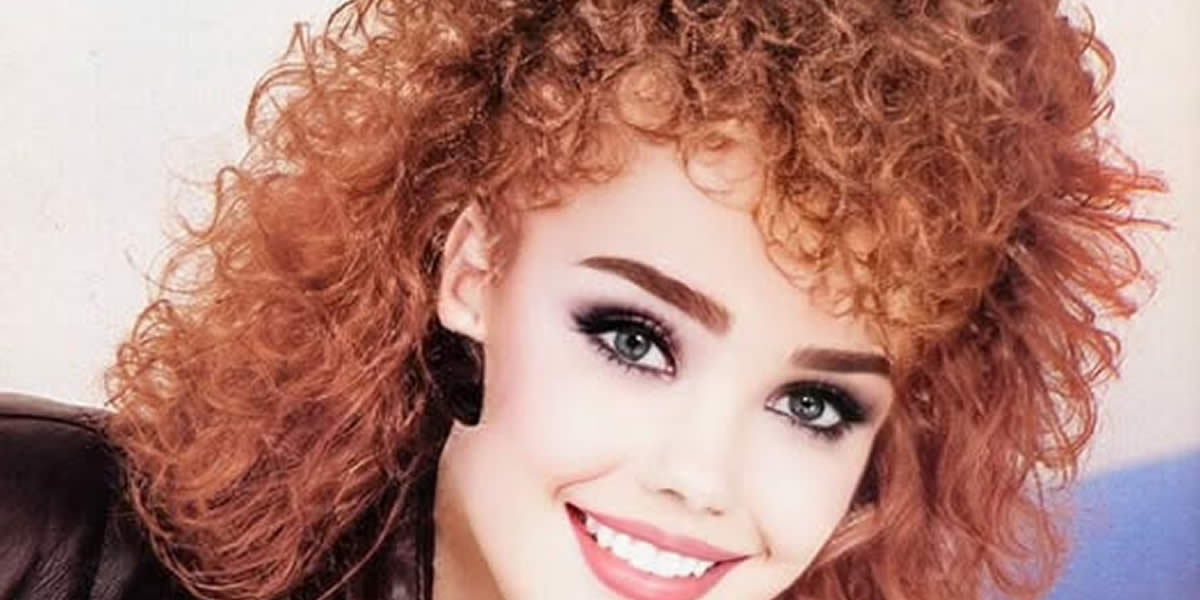
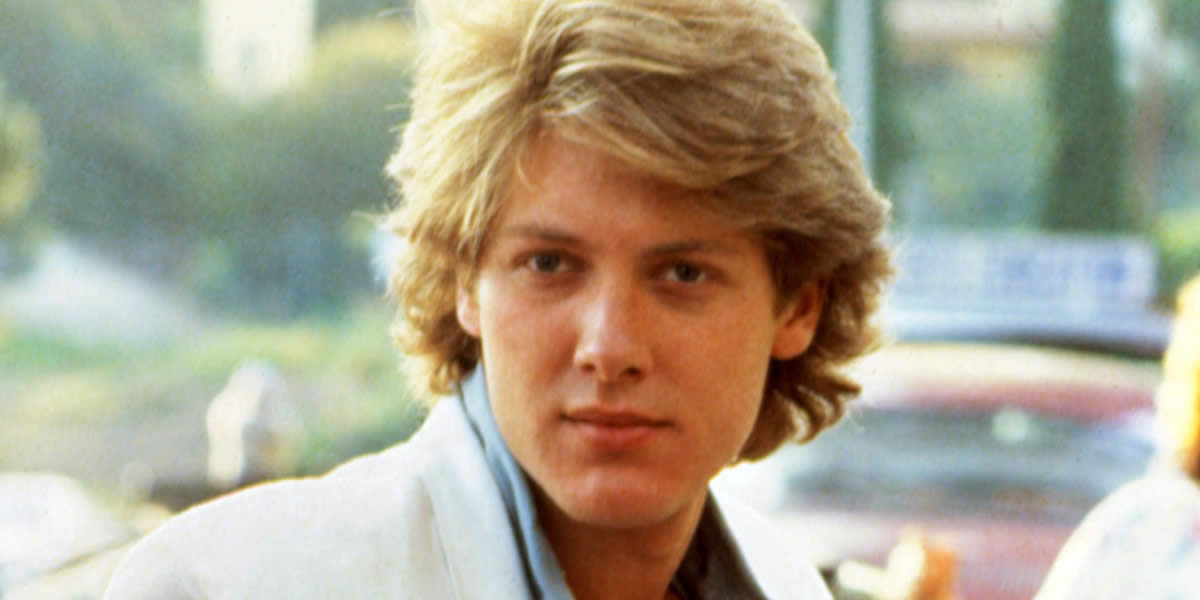
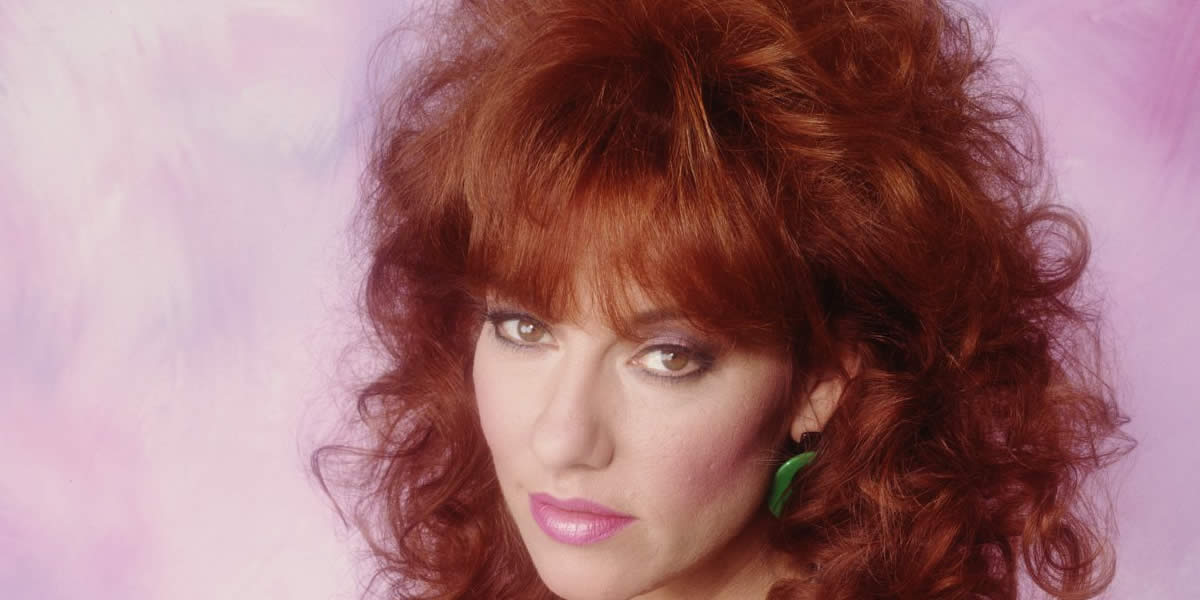
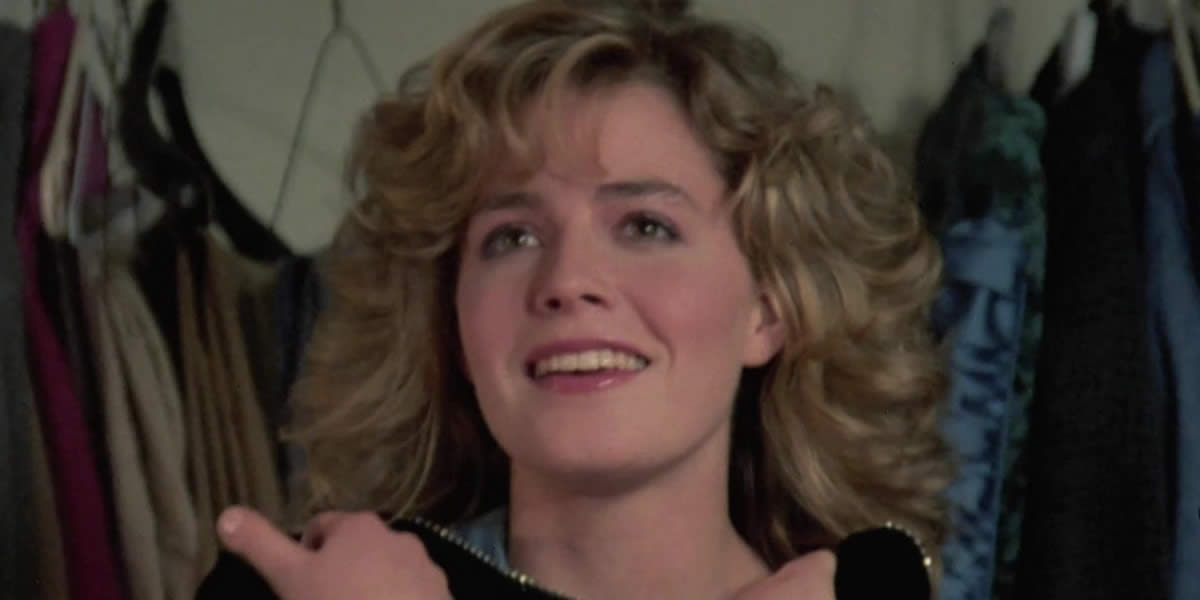
From zigzag waves and towering volume to crimping irons on bedroom vanities, crimped hair captured the bold, experimental spirit of 1980s fashion.
In the 1980s, getting ready to go out could involve considerably more than finding the right outfit. There were bangs to tease, curls to arrange, cans of hairspray to deploy, and a mirror that might remain occupied for most of the evening. On some bathroom counters, beside the brushes and bottles of mousse, sat a peculiar-looking heated tool designed to turn ordinary hair into a series of tight, repeating zigzags. The result was crimped hair, one of the decade’s most distinctive beauty trends.
The style was hard to mistake. Instead of smooth strands or rounded curls, hair took on a rippled texture that caught the light and created the impression of extra volume. A crimped ponytail could look playful and athletic. Crimps woven through long, loose hair gave it a dramatic, almost sculptural quality. For those willing to commit, the entire head could be transformed into a dense pattern of little waves.
Crimped hair fitted naturally into a decade that embraced visible self-expression. The 1980s gave American popular culture oversized silhouettes, bright athletic clothing, elaborate makeup, and music videos in which performers treated appearance as part of the performance. Hair was not simply something to brush before leaving the house. It was an opportunity to make an entrance.
Yet crimping was more than an amusing fashion experiment. It reflected changes in hairstyling technology, the influence of pop stars and music television, and a growing appetite for beauty looks that could be created at home. A specialized heated iron made a once time-consuming texture easier to reproduce, while the decade’s appetite for volume gave the finished style a ready-made audience.
By the middle and late 1980s, crimped hair had become familiar in beauty supply stores, fashion photography, music videos, and everyday life. Its popularity was not universal, and plenty of people preferred curls, perms, or smoother styles. But its distinctive zigzag pattern became part of the visual vocabulary of the era.
Today, crimped hair often appears in photographs that seem to summarize the decade in a single glance. The texture is unmistakable, and its associations are immediate: big hair , colorful clothes, pop music, and a willingness to make personal style conspicuous. Looking more closely, however, reveals a richer story about how an unusual hairstyling technique became a defining expression of 1980s fashion.
How Crimped Hair Became Defining Trends of the 80s How Crimped Hair Became an 80s Fashion Statement The 1980s were not a decade of one hairstyle. They were a crowded landscape of perms, feathered layers, asymmetrical cuts, mullets, high ponytails, sculpted bangs, and carefully arranged curls. What many of these looks shared was an interest in texture and shape. Hair was often styled to create movement, height, or a silhouette that could be recognized from across a room.
Crimping belonged to that world, but it offered something different from the familiar curl. A curling iron created loops or rounded waves. A crimping iron pressed a repeating pattern into the hair, leaving a series of small ridges and valleys. The effect was geometric, almost pleated, and it could make even straight hair look fuller.
That difference gave the style its appeal. Crimping was not merely a way to make hair look curly. It made the texture itself the main event.
The broader fashion climate encouraged such experimentation. Clothing could be bright, angular, oversized, or deliberately theatrical. Makeup emphasized the eyes and cheeks, while accessories added more color and visual detail. Hair completed the composition, sometimes with a height and volume that would have seemed excessive in a more restrained era.
Crimped hair was particularly effective because it could be adapted to different levels of commitment. Someone could crimp a few sections near the face, add texture to the lengths of a ponytail, or style nearly every strand. The result could be subtle by the standards of the decade or unapologetically dramatic.
The style also offered an alternative to the more rounded volume associated with perms and curling irons. Its tight, angular waves gave hair a different surface, creating a textured finish that looked especially striking under bright lights. In photographs and music videos, those ridges helped the hair appear dimensional rather than flat.
The look was not entirely new. People had created textured waves by braiding damp hair and allowing it to dry long before electric crimping irons became popular. But the 1980s helped turn crimping into a recognizable commercial style. A dedicated tool could produce more uniform waves in a shorter time, making the look easier to repeat.
The timing was right. Fashion was encouraging people to experiment, beauty products were readily available, and popular culture offered a steady stream of visual inspiration. Crimping brought all three together in a hairstyle that was distinctive, adaptable, and unmistakably of its moment.
The Crimping Iron Changed the Way People Styled Their Hair The history of crimped hair is closely tied to the development of a specialized styling tool. Before the electric crimper became familiar, a similar effect could be created by dividing hair into numerous small braids, leaving them in place while the hair dried, and then undoing them. The resulting waves could be attractive, but the process required time and patience.
The modern crimping iron offered a more direct approach. Its heated plates contained repeating ridges and grooves. When a section of hair was pressed between them, the strands took on the shape of the plates. By working through the hair in sections, a user could create a more regular pattern than braiding alone typically produced.
Hair stylist Geri Cusenza is widely credited with developing an early modern crimping iron in 1972. According to accounts of the tool’s origins, she wanted a more efficient way to create textured waves for Barbra Streisand’s hair. Rather than repeatedly braiding and unbraiding strands, Cusenza worked with an engineer to develop a heated tool that could produce the effect more quickly.
The invention preceded the 1980s, but the following decade gave crimping a much larger popular audience. As styling tools became more visible in beauty supply shops and drugstores, the look moved beyond professional salons. A person no longer needed a stylist to create the characteristic zigzag pattern.
A contemporary Los Angeles Times report published on September 22, 1988, captured the trend in the middle of its mainstream popularity. The article described crimping irons, wavers, and straighteners being sold in beauty supply stores, with prices for the devices it discussed ranging from $14.95 to $49.95. Those figures are historical prices, but they offer a useful glimpse of how the trend was being marketed to consumers at the time.
The same report noted that crimping irons had existed for years before the style became widely fashionable. Models and rock stars, including Cyndi Lauper, helped bring the look into public view. Retailers were seeing enough demand for the tools that the technique had become a regular part of the beauty business.
The crimping iron did more than save time. It changed the consistency of the result. The ridges could be repeated section after section, producing a recognizable texture that looked deliberately designed. Instead of relying entirely on the unpredictable outcome of braids drying overnight, users could control how much of the head was crimped and where the pattern appeared.
The tool also made the process something people could learn through experimentation. It required attention and patience, but the basic technique was easy to understand: separate a section, clamp the iron, release it, and continue down the strand. The challenge was making the texture even and deciding how far to take the look.
That combination of accessibility and visual impact helped make crimping a lasting image of 1980s beauty culture.
Big Hair and Crimped Hair Shared the Same Ambition To understand the appeal of crimping, it helps to look at the decade’s broader relationship with hair volume.
Throughout the 1980s, hair frequently became an important part of a person’s overall silhouette. Teasing, backcombing, blow-drying, mousse, and strong-hold hairspray helped create styles that maintained their shape long after the initial styling session. The goal was not always to make hair look natural in the sense of appearing untouched. Often, the effort was meant to be visible.
Crimping offered another way to achieve that effect. Its repeated waves expanded the hair’s texture, making sections appear fuller and giving long styles more body. The pattern broke up the smooth surface of the strands, creating shadows and highlights that made the hair look more substantial.
The style could work especially well with a high ponytail or half-up, half-down arrangement. The raised sections caught the light, while the loose lengths provided movement. Crimped hair could also be combined with teasing or backcombing, although doing so required care to avoid creating a tangled mass that was difficult to manage afterward.
The wider 1980s beauty routine often involved a sequence of products and tools. Hair might be washed, conditioned, dried, sectioned, styled, teased, and sprayed into place. Crimping introduced another step, one that could dramatically alter the texture without requiring a permanent chemical treatment.
That flexibility was important. A perm changed the hair’s structure for an extended period. Crimping produced a temporary style that could be washed out or allowed to relax. For people who wanted to experiment with a more dramatic look without committing to a long-term change, the heated iron offered an appealing option.
It also fit the decade’s tendency to treat beauty as an activity in its own right. Getting ready could become a social ritual, with friends sharing products, comparing techniques, and helping each other prepare for parties or school dances. The bathroom mirror became a work surface, and the tools spread across the counter were part of the preparation.
Not everyone wanted the same result. Some preferred large curls and feathered layers, while others favored sleek hair or shorter cuts. Crimping was one option among many, but it expressed the decade’s appetite for deliberate texture particularly well.
The style’s visual strength came from its repetition. Each section contained the same small zigzag, yet the pattern changed according to the length, color, and arrangement of the hair. It was simultaneously orderly and unruly, controlled by a tool but capable of producing a wonderfully exaggerated silhouette.
That balance made crimped hair a natural companion to the decade’s most theatrical fashion choices.
Cyndi Lauper, Pop Music, and the Rise of Crimped Hair Music had an enormous influence on 1980s fashion. The emergence of MTV in 1981 gave audiences a new way to encounter performers, turning clothing, makeup, hair, and choreography into parts of a song’s public identity. A memorable look could become almost as recognizable as the music itself.
Cyndi Lauper was particularly suited to this visual environment. Her early-1980s image combined bright colors, unconventional accessories, layered clothing, and an irreverent approach to conventional ideas of feminine presentation. Her hair was part of that identity. It could be vividly colored, heavily styled, or arranged to emphasize an intentionally unconventional shape.
Lauper was not the sole inventor or promoter of crimped hair, and the style had a history that predated her breakthrough. But her visibility helped demonstrate how textured hair could contribute to a broader image of individuality. The look was not necessarily about achieving a polished, conventional beauty ideal. It could be playful, rebellious, and deliberately different.
That distinction mattered in a decade when music videos encouraged audiences to see style as a form of self-expression. Artists such as Madonna, Boy George, and Lauper presented different ways of combining hair, clothing, and makeup into a recognizable public persona. Fans could borrow elements from those looks without copying them completely.
Crimping was particularly accessible as a visual idea. A person did not need to own a wardrobe of designer clothes or have access to a professional stylist to reproduce its central feature. A crimping iron could provide the signature texture, while the rest of the look could be built from everyday clothing and accessories.
Music television also helped hairstyles travel across regions and communities. A viewer who saw a performer on screen could bring that image to a salon, show it to friends, or look for a tool that would reproduce the effect at home. The screen supplied inspiration, while the beauty industry supplied the means to imitate it.
The influence was not limited to one musical genre. Crimped textures could appear alongside pop, dance, rock, and other styles, because the technique did not belong exclusively to a particular sound. Its meaning depended on how it was worn. Combined with bright makeup and playful clothing, it could feel exuberant. Paired with dramatic stagewear, it could become part of a more theatrical look.
This is one reason crimped hair should be understood as part of a larger fashion culture rather than simply a celebrity fad. Pop stars made the texture visible, but ordinary people adapted it to their own tastes and circumstances.
The hairstyle’s popularity was built through that exchange. Performers supplied striking images, audiences experimented with them, and manufacturers made the necessary tools increasingly familiar.
What Crimped Hair Looked Like in Everyday 80s Life The most memorable photographs of the 1980s often feature performers, models, and celebrities with elaborate hairstyles. But the history of a beauty trend is also found in ordinary routines, where fashion is adapted to school schedules, family budgets, and the practical demands of everyday life.
Crimped hair was well suited to experimentation at home. The tool could be used in front of a bedroom mirror, and the technique allowed people to choose how much time they wanted to spend on the result. Someone with a busy morning might crimp a few visible sections, while a person preparing for a party could work through much more of the hair.
The look could be incorporated into a ponytail, a half-up style, or loose hair worn around the shoulders. Accessories added another layer of variation. Scrunchies, ribbons, clips, and decorative barrettes could hold the hair in place or emphasize its shape. The crimped texture supplied volume, while the accessories provided color and structure.
A school dance or a weekend party offered an obvious opportunity to try something more dramatic than an everyday hairstyle. The same was true of concerts, family celebrations, and photographs that might be kept for years. Crimping was temporary, but it could make an ordinary occasion feel different.
The process was not always effortless. Working through long hair took time, and keeping the pattern consistent required attention. The sections had to be separated carefully, and the iron had to be handled without burning the scalp, fingers, or ears. A rushed job could leave an uneven mixture of crimped and uncrimped strands.
Heat was another concern. The Los Angeles Times article from 1988 included a warning from a hair-care professional that frequent use of heated styling tools could weaken hair and contribute to breakage. The warning applied to crimping just as it did to curling irons and hot rollers. The tools were useful, but repeated heat exposure came with a cost.
These practical details are part of the trend’s history. A hairstyle may look effortless in a magazine, but the result often depends on time, technique, and the right equipment. Crimped hair required people to make decisions about how much styling they wanted to do and how much maintenance they were willing to accept.
The style also existed alongside different hair textures and lengths. The effect of crimping varied according to the hair being styled, and not everyone approached it in the same way. Some used the tool to add texture to selected sections, while others pursued a more uniform look. The decade’s beauty culture offered a range of possibilities rather than a single rule.
What united these approaches was the desire to create a noticeable surface. Crimping transformed hair from a relatively smooth material into something patterned and tactile. It could make a hairstyle feel more elaborate without requiring a completely new haircut.
For a generation growing up with music television and increasingly accessible styling tools, that was a compelling proposition.
Crimped Hair Was Part of a Larger 80s Beauty Revolution The rise of crimping did not happen in isolation. The 1980s beauty industry offered a growing range of products and devices designed to help consumers achieve salon-inspired results at home. Hair dryers, curling irons, hot rollers, styling mousse, gels, and hairsprays all played a role in the decade’s elaborate hairstyles.
Each tool offered a different kind of control. A curling iron created rounded shapes. Hot rollers provided curls and volume. Mousse helped support body, while hairspray could hold a finished style in place. Crimping added a specific texture that could be used on its own or combined with other techniques.
This variety reflected a broader shift in the relationship between consumers and personal styling. Beauty products were not merely items purchased when something ran out. They were tools for creating a look, and the look itself could become a form of personal identity.
The same spirit appeared in clothing and makeup. Athletic wear moved beyond the gym, bright colors became familiar in everyday wardrobes, and cosmetics could be applied in ways that emphasized the eyes or cheeks. The decade encouraged people to treat appearance as something they could actively design.
Hair was particularly suited to this approach because it could change so dramatically without altering the rest of a person’s appearance. A different part, a new fringe, a perm, or a crimped texture could change the impression created by the same face and clothing. The transformation was visible but reversible, making experimentation attractive.
Crimping also demonstrates how a small technical innovation can help shape a cultural trend. The underlying desire for textured hair was not new. Braids and other methods had long produced waves. What changed was the availability of a tool that made a particular pattern faster and more repeatable.
Once the technique became easier to reproduce, it could spread through advertising, celebrity images, retail displays, and word of mouth. The tool became part of the trend’s identity. People did not merely ask for a certain texture; they could ask for a crimper or look for one in a store.
The commercial side of the trend was important, but it does not fully explain its appeal. A product can be widely available without becoming culturally memorable. Crimping stood out because it produced a distinctive visual result at a time when fashion rewarded individuality and visible experimentation.
The hairstyle also belonged to a decade in which technology often promised to make everyday life more convenient. The same broad appetite for accessible consumer technology could be seen in home electronics, personal audio, and other products designed for individual use. A crimping iron was much smaller in consequence than a computer or a portable music player, but it followed a similar logic: give people a tool that lets them do something new for themselves.
In that sense, crimped hair was both a fashion statement and a small example of consumer innovation changing daily habits.
The Difference Between 80s Crimping and Today’s Versions Crimped hair did not disappear permanently when the 1980s ended. The style continued to appear in later decades, sometimes as a prominent fashion statement and sometimes as a small detail within a more contemporary hairstyle.
During the 1990s and early 2000s, crimping remained familiar in pop culture. It could be seen in celebrity styling, music videos, and party looks, often paired with the era’s own accessories and silhouettes. The tool survived because it could be adapted to new fashions rather than remaining tied exclusively to its original decade.
Later revivals often approached the texture with a lighter hand. Instead of crimping nearly every strand, stylists might add texture to selected sections or use the pattern to create contrast within a ponytail or an updo. The result could preserve the distinctive zigzag without making it the entire focus of the hairstyle.
Contemporary beauty coverage has also treated crimping as a technique that can be varied according to the desired finish. The size of the ridges, the amount of hair treated, and the placement of the texture all affect the final look. Modern styling can therefore range from a strong retro reference to a much subtler effect.
The contrast helps explain why the original 1980s version remains so recognizable. At its most characteristic, the decade’s crimped hair often made a feature of uniformity and volume. The repeated waves were intended to be seen. Their visual impact was part of the point.
Today’s versions may be more selective, but the underlying principle is unchanged. Crimping alters the surface of the hair to create a patterned texture that catches light and adds dimension.
Fashion revivals also tend to change the meaning of an old look. In the 1980s, crimping could signal that someone was current with a new beauty trend. When it reappears decades later, it may also signal an interest in vintage style, pop-cultural history, or deliberate retro playfulness.
The return of the look does not mean that its original context has been recreated. Music television no longer occupies the same place in everyday life, and beauty trends now circulate through social media as well as magazines, advertising, and celebrity appearances. The methods of discovery have changed, but people still encounter a style, adapt it, and make it their own.
That adaptability is part of the crimping iron’s lasting appeal. It can reproduce a familiar historical look or become one element in a hairstyle that feels entirely contemporary.
Why Crimped Hair Still Defines the Look of the 80s Few hairstyles capture the visual identity of the 1980s as immediately as crimped hair. Its zigzag pattern is distinctive enough to register even in a small photograph, and it belongs to a wider style vocabulary of volume, color, and deliberate excess.
But its significance is not simply that it looks old-fashioned today. Crimping illustrates how a fashion trend develops through the meeting of technology, popular culture, and everyday behavior. A styling technique existed before the decade began. A specialized tool made the texture easier to create. Pop stars and models helped make it visible, while beauty retailers placed the means of reproducing it within reach of ordinary consumers.
The result was a hairstyle that could be adapted to individual taste while remaining instantly recognizable. Someone could crimp a few strands or an entire head of hair. The texture could complement a ponytail, add dimension to loose lengths, or become the centerpiece of a more elaborate look. The technique was flexible, but its visual signature remained consistent.
Crimping also captures the 1980s belief that appearance could be expressive and entertaining. Hair did not have to disappear into a finished look. It could be textured, sculpted, colored, and exaggerated. The effort involved in styling became part of the pleasure, and the final result could communicate a person’s willingness to experiment.
That spirit extended beyond hair. The decade’s fashion and popular culture repeatedly rewarded visible individuality, from the bold silhouettes of clothing to the carefully constructed images of musicians on television. Crimped hair fit naturally into this environment because it was both a practical styling choice and a statement about how someone wanted to appear.
Its history also provides a reminder that beauty trends are not solely created by celebrities or manufacturers. Those forces help establish what is possible and desirable, but a style becomes culturally significant when people adopt it in their own lives. The crimping iron on a bathroom counter mattered as much as the crimped hair in a music video. One supplied the image; the other turned it into a routine.
Today, the look can provoke amusement, affection, or admiration, depending on the viewer and the memories associated with it. Its dramatic texture may seem excessive by contemporary standards, but that is precisely why it remains such an effective symbol of its era.
Crimped hair was never the only way to wear 1980s hair, nor was it universally loved. It did not need to be. Its place in the decade comes from how clearly it expresses a particular moment in fashion, when technology made experimentation easier and popular culture encouraged people to make their style visible.
The heated plates, the repeating ridges, and the patient work of styling each section produced something more than a temporary wave. They helped create a look that has remained part of the decade’s visual memory.
Crimped hair was bold, distinctive, and unmistakably of the 1980s. It turned texture into a statement and an ordinary styling routine into an opportunity for reinvention. That is why, decades later, those little zigzag waves still bring the era into focus.