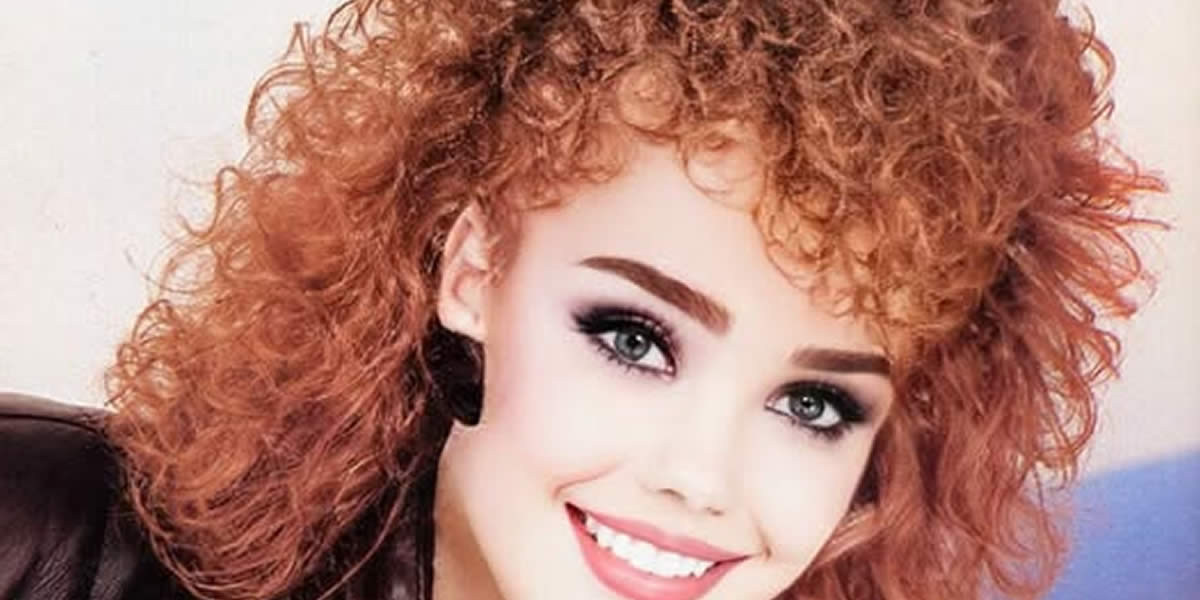
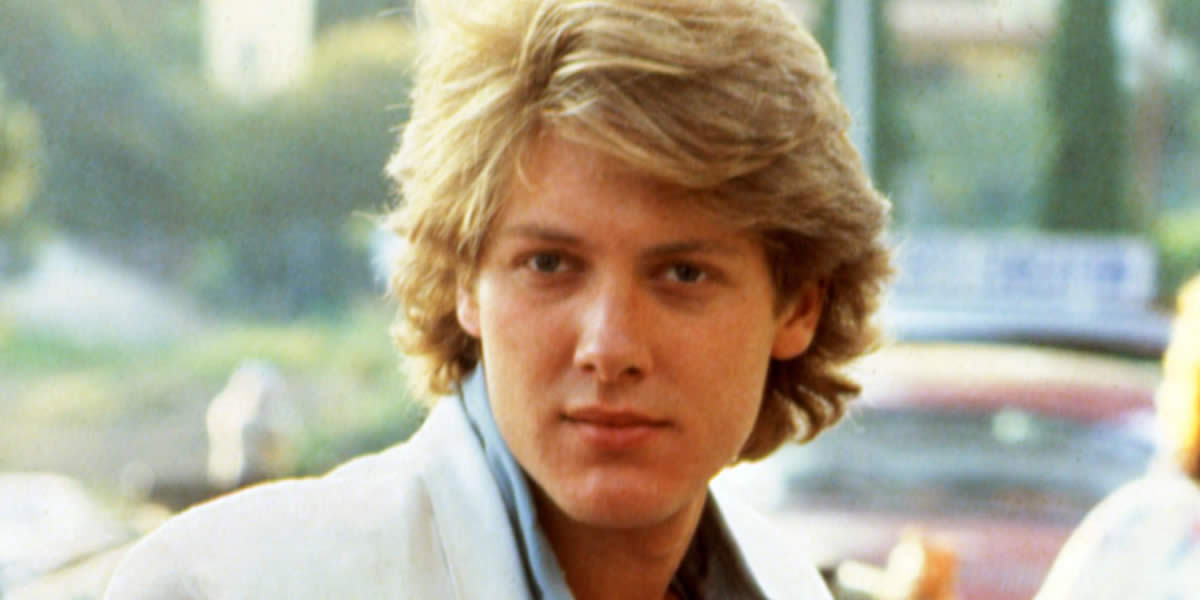
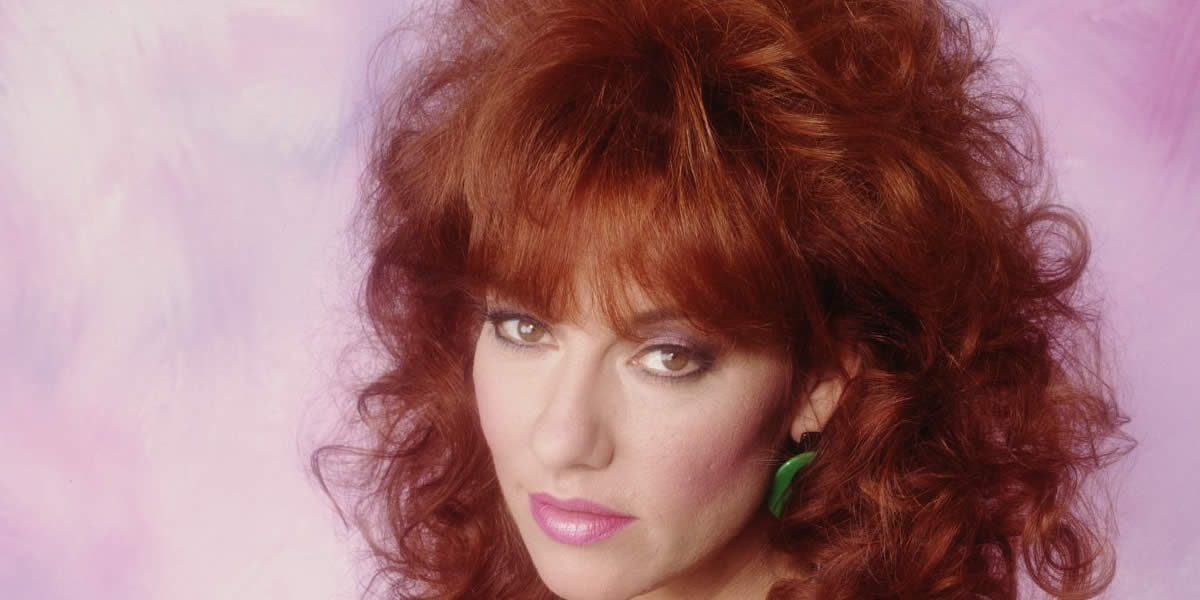
From towering fringes to clouds of hairspray, mall bangs captured the creativity, confidence, and unmistakable beauty culture of the 1980s.
There was a certain kind of hairstyle that could be recognized before its wearer had even reached the end of the shopping mall corridor. The fringe rose high above the forehead, curved into a rounded crest, and swept toward one side as if it had been caught in a permanent breeze. The rest of the hair might fall in soft curls, a layered bob, or a generous shoulder-length wave. Whatever the cut, the bangs were unmistakably the main event.
Mall bangs were one of the most distinctive expressions of 1980s fashion. They took an ordinary part of a haircut, the hair across the forehead, and turned it into a carefully engineered structure. A round brush supplied the curve. A comb created the lift. A blow-dryer established the shape. Then came the hairspray, applied with enough determination to help the finished fringe survive a school day, an afternoon at the mall, or an evening spent dancing.
The result could be surprisingly sophisticated. At their best, mall bangs framed the face, balanced the volume of a hairstyle, and created a polished silhouette that worked with the decade’s bold clothing and expressive makeup. At their most ambitious, they seemed to have a relationship with gravity that ordinary hair simply did not share.
The name came from the young people who wore the style in suburban shopping malls, those busy social centers where teenagers gathered to browse record stores, meet friends, watch other shoppers, and spend time away from home. The hairstyle became part of the recognizable appearance of this particular world, alongside oversized sweatshirts, colorful accessories, denim jackets , and high-top sneakers.
Yet mall bangs were more than an amusing relic of an exaggerated decade. They reveal how much skill, time, and social meaning could be packed into a seemingly small beauty choice. They were a product of salon techniques, affordable styling products, celebrity influence, and a culture in which personal appearance offered a visible way to participate in contemporary fashion.
Looking back, it is tempting to see only the height and the hairspray. But behind those spectacular fringes was a practical idea: with the right cut and a little ingenuity, even a few inches of hair could transform an entire look.
Mall Bangs Were an Art Form of 80s Fashion How Mall Bangs Became an Icon of 80s Fashion Mall bangs emerged from the wider popularity of voluminous hairstyles during the 1980s. The decade favored visible silhouettes, from broad-shouldered jackets to oversized accessories, and hair was no exception. Women and teenagers experimented with perms, feathered layers, teased crowns, and carefully styled fringes, often combining several techniques in one look.
Bangs were particularly well suited to the trend. Because they occupied the front of the hairstyle, they could change the appearance of the face without requiring an entirely new haircut. A fringe that had previously rested against the forehead could be lifted, curved, and directed outward to create a striking frame.
The style also worked with different lengths and textures. Someone with a short, layered haircut could create a compact, rounded fringe. A person with longer hair might combine high bangs with voluminous curls or feathered sections around the temples. The defining characteristic was not a specific haircut but the deliberate elevation and shaping of the hair at the front.
The beauty press helped establish the period’s fascination with height and volume. In its retrospective coverage of 1980s beauty, Allure describes mall bangs as a distinctive feature of the era, particularly for people whose hair did not naturally produce the fullness associated with larger hairstyles. Directing attention toward the fringe offered another way to create the impression of volume.
This was an important distinction. Not everyone could easily achieve enormous hair across the entire head. Hair density, natural texture, length, and available styling time all affected the outcome. Mall bangs concentrated the effort in a smaller area, allowing the wearer to create a dramatic effect without necessarily transforming every section of hair.
The technique also fit the decade’s growing interest in individualized beauty routines. A person could take inspiration from a television actress, a pop singer, or a magazine photograph, then adapt the general idea to a familiar haircut. The result did not have to reproduce the original exactly to communicate that it belonged to the same fashion moment.
As the look spread, it became increasingly recognizable in its own right. The high fringe was no longer simply a variation on a conventional haircut. It became a statement about how much attention someone was willing to give their appearance.
That willingness was central to mall bangs. The style looked deliberate because it was deliberate, and its popularity demonstrated that a little extra height could make a considerable difference.
The Art of the Perfect Mall Bangs The defining feature of mall bangs was the way they combined height with a controlled curve. The hair did not simply stand upright. It was shaped into a rounded or swept-back form that appeared soft around the edges while maintaining enough structure to remain visible.
Creating that shape required a sequence of decisions. The fringe had to be cut to a suitable length, dried in the correct direction, and lifted at the roots. The ends then needed to curve into place rather than fall forward across the forehead.
A round brush was particularly useful. By directing the airflow from a blow-dryer while rolling the brush through the hair, a wearer could create lift and a rounded finish. Depending on the desired effect, the bangs might be brushed upward and backward, swept to one side, or arranged into a fuller crest that curved toward the forehead again.
Teasing, also known as backcombing, provided additional support. The hair could be lifted in sections and gently combed toward the roots, creating a compact foundation beneath the smoother outer strands. When the visible layer was arranged over that foundation, the fringe appeared fuller and more elevated.
The trick was to create structure without making the result look like a solid block. A successful style retained some softness around the edges, allowing the hair to blend with the rest of the cut. Too little shaping could leave the bangs flat, while excessive teasing could produce a tangled mass that was difficult to smooth.
The proportions mattered, too. The fringe had to work with the forehead, the sides of the haircut, and the volume elsewhere on the head. A tall crest could look balanced when paired with fuller sides, while a more modest fringe might suit a shorter or sleeker style.
There was no single correct height. Some mall bangs were relatively restrained, creating a rounded puff just above the forehead. Others rose dramatically and swept sideways, giving the hairstyle a more theatrical outline.
That range is one reason the look could move between everyday fashion and deliberate exaggeration. The basic technique was accessible, but the finished result depended on the wearer’s taste and willingness to experiment.
Mall bangs were, in that sense, a small exercise in hairstyling architecture. They required a foundation, a carefully arranged outer surface, and a finishing product to hold everything together. The structure was temporary, but the skill involved in creating it was real.
Hairspray, Blow-Dryers, and the Tools Behind the Look No account of mall bangs would be complete without hairspray. The product helped turn a temporary arrangement into a hairstyle intended to last, and its role in 1980s beauty culture was much larger than this one fringe trend.
Hairspray had existed for decades before mall bangs became fashionable . The SFO Museum’s Hair Style exhibition documents the history of hair products and notes that hairspray became a major beauty product during the twentieth century, particularly as high-volume hairstyles increased the demand for hold.
By the 1980s, aerosol hairspray was a familiar feature of many beauty routines. It offered a convenient way to support teased sections, preserve a rounded fringe, and keep layers from falling out of place. Strong-hold formulas were especially useful for styles that relied on visible height.
The application itself could be part of the process. After the bangs had been brushed into position, the wearer would apply hairspray to help maintain the shape. Some styles required additional adjustments, with the fringe lifted or smoothed between applications until it held the intended curve.
The other tools were just as important. A blow-dryer provided directional airflow, while a round brush created lift and bend. A teasing comb supplied extra volume at the roots, and ordinary combs helped smooth the surface. Curling irons or rollers could be used when the desired fringe needed a more pronounced curve.
The equipment did not have to be especially elaborate. Much of the look could be achieved with tools available in an ordinary household. The challenge was learning how to use them together.
Different hair types required different approaches. Fine hair might need careful teasing to create sufficient support, while thicker hair could require more time and attention to shape. Naturally curly hair might respond differently to blow-drying than straight hair, and humidity could affect how long the result lasted.
Product use also involved trade-offs. Too much hairspray could leave the hair stiff or make it difficult to restyle. Frequent heat styling and aggressive teasing could contribute to dryness and breakage. The most elaborate looks sometimes demanded a level of maintenance that was less appealing once the novelty wore off.
Nevertheless, the tools gave wearers considerable control over their appearance. Mall bangs offered a way to construct a particular shape using familiar products rather than relying entirely on a chemical treatment or an expensive salon service.
The hairstyle was a reminder that beauty trends are often shaped as much by available technology as by taste. The fringe became fashionable partly because the tools needed to lift and hold it were widely accessible.
The Shopping Mall: Where Hair Became Part of a Social Identity The name mall bangs points toward an important setting in 1980s American life. Shopping malls were more than retail centers. For many teenagers, they were places to meet friends, browse records, visit the food court, look at clothing, and spend an afternoon in public without needing a particular destination.
The History Channel’s account of 1980s popular culture describes the decade’s malls as important social gathering places, particularly for suburban teenagers. Before mobile phones and social media, the mall offered a physical setting in which friends could find one another and participate in the same shared environment.
Appearance mattered in that environment. A person might arrive with friends, walk past shop windows, encounter classmates, and be seen by people from school. Clothing and hair were visible parts of the social experience, helping teenagers experiment with identity and signal their familiarity with contemporary trends.
Mall bangs fit this world because they were both recognizable and adaptable. They could be worn with a wide range of clothing, from denim and sweatshirts to dresses and tailored jackets. The hairstyle did not require a particular subculture, although different groups could incorporate it into their own looks.
The mall also provided a place to observe fashion in action. A teenager could notice a hairstyle on another shopper, see a similar look in a store advertisement, or discuss a celebrity’s appearance with friends. Trends spread through these ordinary encounters as well as through magazines and television.
The name should not be taken to mean that the hairstyle belonged exclusively to shopping malls or to suburban teenagers. Adults wore voluminous bangs, and similar styles appeared in other settings. But the association with the mall captures the way fashion became linked to a particular kind of social life.
The mall was a place where people could see and be seen. A carefully styled fringe could become part of that public presentation, communicating that its wearer was paying attention to the fashions of the moment.
There was also an element of experimentation. Teenagers could try a new haircut or styling technique without committing to an entirely different identity. Hair could be changed, brushed differently, or allowed to grow out. A successful look might become part of a person’s signature style, while an unsuccessful one could be replaced after a few weeks.
Mall bangs belonged to this culture of trying things out. They were visible enough to make a statement but ordinary enough to be worn during an afternoon of shopping, conversation, and social observation.
From Pop Stars to Television: How Mall Bangs Spread Celebrity influence was an important part of 1980s beauty culture, although mall bangs cannot be attributed to a single star. The hairstyle grew out of a broader fascination with volume, dramatic fringes, and carefully arranged hair that appeared across television, music, and fashion photography.
Music television made performers’ appearances especially influential. MTV, which launched in 1981, gave viewers repeated opportunities to study artists’ hairstyles alongside their clothes, makeup, and performances. The visual presentation of pop music became an important part of how audiences understood a performer.
Some artists wore high, teased fringes, while others favored layered blowouts, curls, or short cuts with considerable volume. Their looks provided a broad range of inspiration rather than one uniform template. Fans could borrow the shape of a fringe or the volume at the crown without copying an entire outfit.
Television sitcoms and dramas also circulated fashionable hairstyles. Characters appeared in domestic settings, workplaces, and social situations, showing viewers how a particular look could fit into everyday life. A hairstyle that might seem extravagant in a stage performance could appear more approachable when worn by a character in an ordinary scene.
Fashion magazines offered another source of ideas. Photographs demonstrated how bangs could be shaped, while beauty coverage introduced readers to products and techniques intended to reproduce the look. Salons then interpreted these references for customers whose hair might differ from that of the model or celebrity.
The process was rarely a straightforward case of copying. A person might request fuller bangs after seeing a photograph but choose a less dramatic version for practical reasons. Another might adopt the height while changing the direction of the fringe to suit a different haircut.
Mall bangs were especially suited to this kind of adaptation because they concentrated attention in a small area. The overall hairstyle could remain familiar while the fringe supplied the fashionable detail.
The trend also demonstrates the relationship between celebrity culture and everyday beauty. Famous people could make certain silhouettes more visible, but the look became widespread only when ordinary customers and stylists found ways to reproduce it.
Not every popular fringe was a mall bang, and not every person who wore high bangs was consciously following a celebrity. The broader beauty culture of the decade made volume familiar, and the mall became one of the places where that culture could be observed and adapted.
The result was a hairstyle that felt contemporary without requiring a single defining celebrity image. It spread through a combination of media exposure, salon practice, product availability, and the everyday desire to look current.
Mall Bangs and the Wider Culture of 80s Beauty Mall bangs were part of a decade that often treated personal appearance as a carefully assembled project. Clothing, makeup, accessories, and hair could all contribute to a particular image, whether the goal was professional polish, pop-inspired glamour, or a more casual look.
The decade’s emphasis on volume made the fringe especially useful. A raised bang could balance a broad shoulder line, complement large earrings, or provide a focal point for an outfit. It also framed the face in a way that could make even a relatively simple haircut look more elaborate.
But the appeal was not universal. Some people preferred sleek hair, short cuts, or natural texture. Others experimented with perms, feathered layers, crimping, or asymmetrical styles. The 1980s contained multiple beauty cultures, and mall bangs were one recognizable expression among many.
The style also illustrates how beauty routines can involve both creativity and conformity. A fashionable fringe allowed someone to experiment with shape and volume, but it also reflected shared expectations about what looked current. The wearer could express individuality through a style that many others were pursuing at the same time.
That tension is not unique to the 1980s. Fashion often works by giving people a common visual language that they can personalize. Mall bangs offered a particularly clear example because the underlying technique was consistent, while the height, curve, and overall finish could vary.
There were practical considerations, too. A dramatic fringe took time to create and maintain. It might need refreshing after sleep or adjusting when the weather changed. The more elaborate the shape, the more likely it was to require products and repeated styling.
For some wearers, that effort was part of the appeal. Preparing the hair could be a daily ritual, a way to get ready for school or an evening out. For others, the maintenance became tiresome, especially when changing fashions made the look seem less desirable.
The style’s cultural meaning therefore extended beyond its appearance. Mall bangs reflected the growing visibility of beauty products, the importance of media images, and the role of appearance in teenage social life. They were a small but revealing example of how fashion entered ordinary routines.
The hairstyle was not simply something seen in a photograph. It was something people learned to create, adjusted to suit themselves, and carried into public spaces where it could be noticed and compared.
Why Mall Bangs Eventually Fell Out of Fashion The most exaggerated versions of mall bangs depended on a particular set of beauty preferences: substantial volume, a carefully arranged fringe, and enough product to keep the shape in place. As fashion changed, those preferences gradually lost their central position.
During the 1990s, many popular hairstyles moved toward different silhouettes. Straighter hair, simpler cuts, and less conspicuous styling became prominent in parts of mainstream fashion. This did not mean that volume disappeared, but the towering fringe increasingly looked like a marker of the previous decade.
The change was gradual. Trends overlap, and many people continued to wear high bangs or fuller styles after they became less dominant in magazines and entertainment. Yet once the broader fashion environment shifted, the most exaggerated versions of the look became easier to recognize as period pieces.
Mall bangs were particularly vulnerable to this change because their shape was so distinctive. A small adjustment in height could transform the appearance of the fringe, and the difference between a contemporary rounded bang and a very high, heavily sprayed one could be immediately visible.
The style also became an easy subject for humor. Retrospective articles and photographs often emphasize the height of the fringe and the quantity of hairspray, treating the look as a symbol of 1980s excess. This has helped keep the hairstyle in popular memory, even among people who never wore it.
Yet the humor can obscure the skill involved. Creating a balanced fringe required attention to length, texture, direction, and proportion. The fact that the result now looks exaggerated does not mean the original technique was accidental.
Nor did the underlying idea vanish. Modern hairstyles still use volume at the roots, rounded fringes, and carefully directed layers. What has changed is the amount of height and the cultural meaning attached to it.
A hairstyle can become dated without becoming irrelevant. Once a look is no longer the dominant fashion, its techniques may survive in modified forms, while its original silhouette becomes a visual reference for a particular era.
Mall bangs have followed that path. They remain associated with the 1980s because their most recognizable form captured the decade’s appetite for conspicuous styling. At the same time, their basic principles continue to appear whenever someone wants a fuller fringe or a more sculpted shape around the face.
The Lasting Legacy of Mall Bangs Mall bangs have endured in popular memory because they are both specific and revealing. The raised fringe instantly evokes a particular period, but the hairstyle also tells a broader story about the relationship between fashion, technology, and everyday life.
It demonstrates how a simple haircut can become a cultural symbol when it connects with the right social setting. The growth of shopping malls as gathering places, the visibility of celebrity hairstyles, and the availability of styling products all helped make the look familiar. Each element reinforced the others.
The hairstyle also shows how much creativity can exist within a trend. Mall bangs followed a recognizable formula, but wearers could adjust the height, direction, and curve to create a result that suited their preferences. The fringe became a small canvas for personal expression.
Today, the look can be recreated as a deliberate reference to the 1980s or adapted into a softer, contemporary style. A modern version might use less teasing, a lighter product, and a more relaxed curve. Someone seeking a more faithful period look could choose a higher crest and a firmer finish.
Either approach benefits from understanding the original technique. The shape depends on how the hair is cut, dried, lifted, and held in place. The product alone cannot create a balanced fringe, just as height alone cannot guarantee a flattering result.
Mall bangs also remind us that beauty trends are experienced at an everyday scale. Their history includes television stars and magazine photographs, but it also includes bathrooms, salon chairs, school mornings, shopping trips, and the time spent trying to make a hairstyle behave.
Those ordinary routines are part of what gives the trend its lasting interest. The fringe may now be remembered for its extravagance, but it was also a practical project that people worked on with familiar tools and a clear idea of the appearance they wanted.
In the end, mall bangs were an art form not because every version was perfectly executed, but because the style transformed a small section of hair into a deliberate design. It required technique, judgment, and a willingness to experiment. It could be subtle or spectacular, polished or playful.
That is why the look remains more than a punchline about hairspray. It captures a moment when personal style was highly visible, when shopping malls offered a stage for everyday social life, and when a few inches of carefully shaped hair could communicate an entire attitude.
The height may have changed with the times, but the impulse behind it remains familiar: to take something ordinary, give it a distinctive shape, and make it unmistakably your own.