Discover how the big hair hairstyle of the 80s became a symbol of glamour, confidence, rock music, and a decade that refused to blend into the background.
There was a particular kind of silhouette that announced the arrival of the 1980s before a person had said a word. Broad shoulders filled the jacket, earrings caught the light, and the hair rose above the forehead in a carefully constructed wave. At a concert, the curls seemed to move with the music. In a school photograph, they framed a face with unmistakable confidence. Under the lights of a television studio, they created a shape that was difficult to ignore.
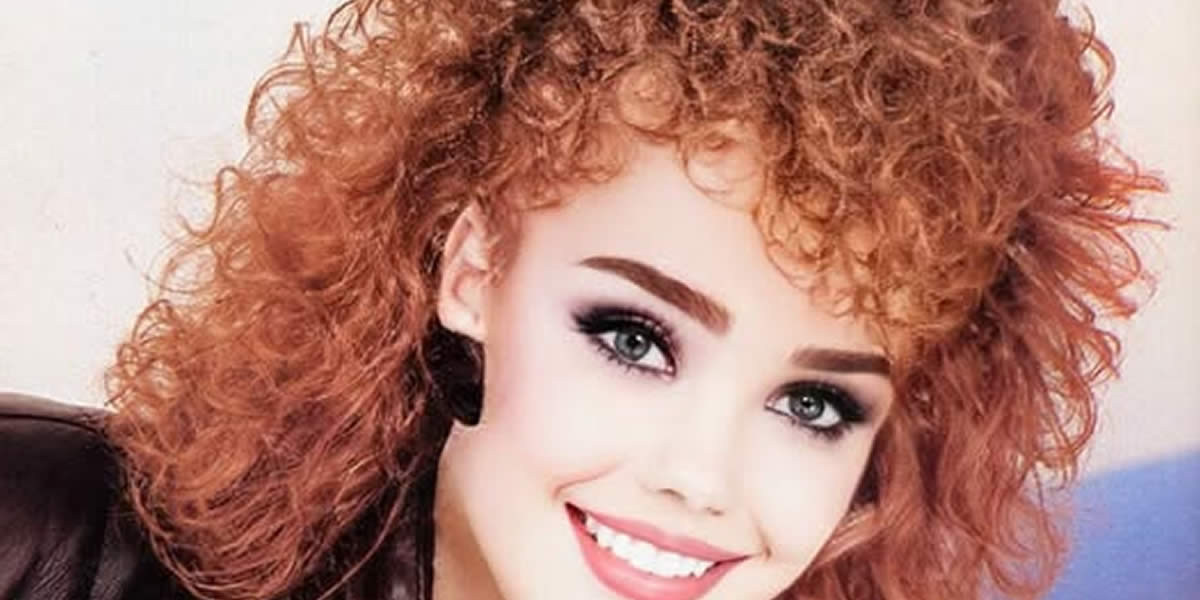
The big hair hairstyle of the 80s was one of the decade’s most recognizable contributions to popular fashion. It appeared in music videos, on sitcoms, in shopping malls, at school dances, and in the mirrors of neighborhood beauty salons. Women teased their hair into towering shapes, rock musicians cultivated enormous curls, and hairspray became an essential part of the vocabulary of period beauty.
Yet big hair was never simply about making hair larger. It reflected a broader cultural moment when personal appearance was becoming increasingly visible, celebrity images were traveling into homes through television, and fashion often favored boldness over restraint. Hair could communicate glamour, ambition, rebellion, or a desire to participate in the excitement of contemporary popular culture.
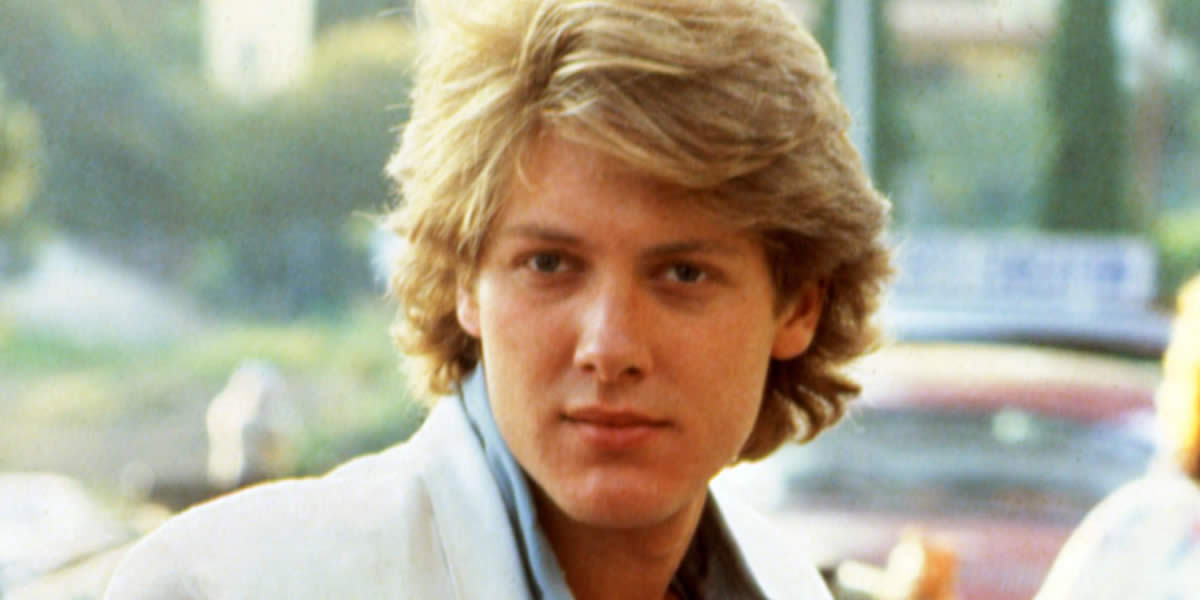
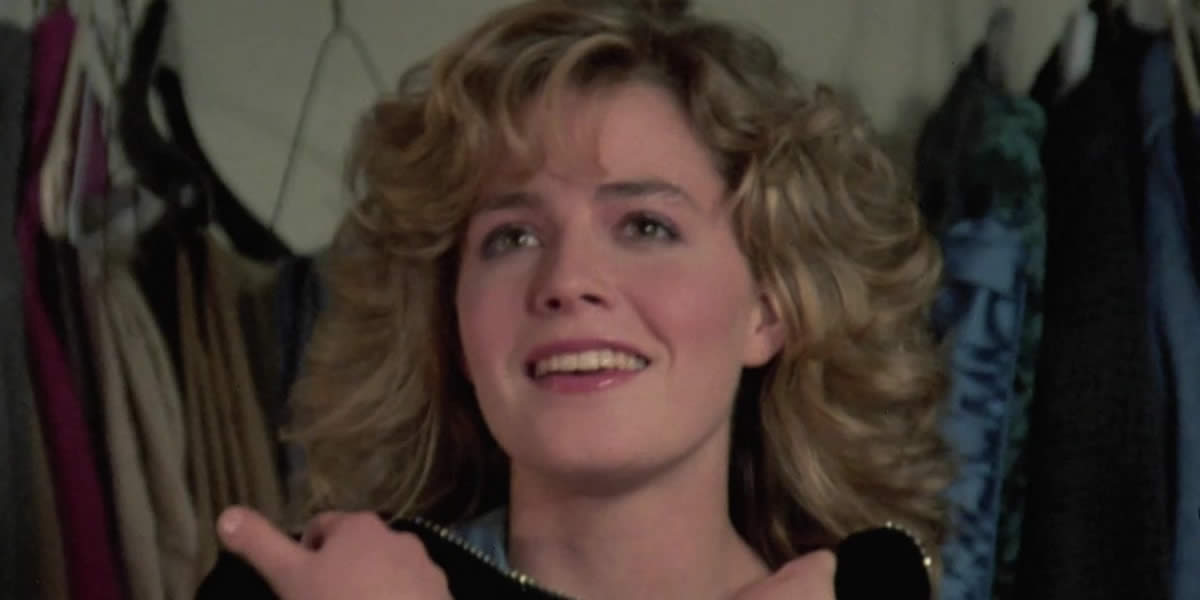
The style also encompassed far more than one particular look. Some people wore enormous, tightly arranged curls. Others preferred layered blowouts, feathered bangs, or voluminous perms that softened the face. A teased crown could be paired with a ponytail, while long, flowing hair could be expanded into a dramatic rock-inspired silhouette.
The results varied, but the underlying idea was consistent: hair did not have to lie quietly against the head. It could occupy space, establish a silhouette, and become one of the defining elements of a person’s appearance.
Four decades later, big hair remains an instantly recognizable symbol of the period. Its continuing appeal lies partly in its extravagance, but also in what it reveals about the people who wore it and the culture that made it so popular.
The Big Hair Hairstyle of the 80s How Big Hair Became the Defining Hairstyle of the 80s Big hair did not suddenly appear in 1980. Its roots stretched back through earlier decades of hairstyling, from the elaborate coiffures of previous generations to the long, layered hair and feathered styles that became fashionable during the 1970s.
The 1980s, however, gave volume a new cultural significance. The decade’s fashion frequently emphasized strong shapes and visible statements. Shoulder pads broadened jackets, oversized accessories attracted attention, and makeup often featured pronounced colors and carefully defined features. Hair became another way to create an unmistakable silhouette.
The result was not a single hairstyle but a collection of techniques and looks united by their emphasis on fullness. Teasing lifted the roots. Layered cuts created movement. Perms supplied lasting curls or waves, and blow-drying helped establish height and shape. Styling products then held the finished arrangement in place.
The appeal extended across different settings. A woman working in an office might choose a carefully arranged blowout that added height without looking theatrical. A teenager preparing for a school dance might want fuller curls and a more dramatic fringe. A rock musician could take the same general principle much further, combining long hair, backcombing, makeup, and stage clothing into an elaborate public image.
Fashion historian accounts of the period often emphasize the decade’s preference for visual impact. The Fashion Institute of Technology’s Fashion History Timeline describes the 1980s as an era when bigger silhouettes and conspicuous fashion choices became particularly prominent. Hair fit naturally into that environment.
There were practical reasons for the trend, too. Volume could transform the appearance of hair that otherwise seemed fine or flat. Curls created texture, while teasing could give the crown a lift that lasted beyond a simple brush-through. For people who wanted their hair to look styled throughout the day, these techniques offered ways to construct and maintain a particular shape.
The resulting look was not necessarily effortless. Big hair required decisions about cutting, drying, brushing, and holding the style in place. But the labor was part of the appeal. The finished result showed that someone had taken the time to create a recognizable appearance.
In a decade fascinated by image, that distinction mattered. Big hair made personal style visible from across a room, and it became one of the clearest expressions of the period’s enthusiasm for dramatic presentation.
The Secret Behind 80s Big Hair: Teasing, Perms, and Hairspray The most recognizable big hairstyles were created through a combination of techniques rather than a single product or treatment. Understanding the process helps explain why the look could be so varied and why maintaining it sometimes required considerable effort.
Teasing, also called backcombing, was one of the central techniques. A stylist or wearer would lift a section of hair and gently push a comb toward the roots, creating a compacted area that provided support. When the outer strands were smoothed over that foundation, the hair appeared fuller while concealing much of the underlying structure.
The technique could create height at the crown, add fullness around the sides, or provide a foundation for an elaborate arrangement. The amount of teasing depended on the desired look. A modest amount could give a blowout extra lift, while more extensive backcombing could produce the exaggerated silhouettes associated with glam metal and certain pop performers.
Perms offered another route to volume. A permanent wave changes the hair’s structure through a chemical process, allowing it to retain a curl or wave after the treatment. Depending on the rod size, hair texture, and technique, the result could range from relatively loose waves to tight curls.
A perm did not automatically produce enormous hair. It created a foundation that could then be shaped with a haircut, blow-drying, and styling products. Some wearers used perms to reduce the need for daily curling, while others relied on them to achieve the texture needed for a fuller style.
The blow-dryer was equally important. Used with a round brush, it could lift the roots, shape the fringe, and direct layers away from the face. Rollers or curling irons helped establish particular curves, while careful brushing brought the sections together into a finished silhouette.
Then there was hairspray.
Few products are as closely associated with 1980s beauty culture as the aerosol can of hairspray. It helped keep teased sections in place and supported the height and shape of elaborate hairstyles. For a person preparing for a night out, it could be the final step between a hairstyle that looked promising and one intended to survive hours of dancing.
Mousse, gels, and other styling products also played supporting roles. The exact combination depended on the hair and the intended finish. Some styles required a relatively flexible hold, while others favored a more rigid shape.
These techniques had their disadvantages. Excessive teasing and frequent heat styling could damage hair, while chemical treatments could leave it dry or fragile. Heavy product use could make hair stiff and difficult to manage.
Big hair therefore involved a balance between structure and appearance. The challenge was to create a style that looked full without losing its intended shape. What seemed like a spontaneous cloud of curls could be the product of careful sectioning, controlled brushing, and repeated adjustments in front of the mirror.
The finished hairstyle might look exuberant, but the process behind it was often methodical.
From Madonna to Glam Metal: Big Hair Takes Over Pop Culture The arrival of MTV in 1981 changed the relationship between music and fashion. Performers were no longer encountered primarily through radio broadcasts, album covers, concert appearances, and magazine photographs. Music videos gave audiences repeated opportunities to see artists in motion, with their clothing, makeup, hair, and stage personas becoming part of the entertainment.
As the History Channel notes in its overview of the 1980s, MTV helped turn musicians into influential fashion figures. Fans could see a style, remember it, and attempt to reproduce elements of it in their own lives.
Big hair was particularly suited to this new visual environment. Volume made a performer recognizable, even in a quick cut between scenes. Curls moved under stage lights, teased crowns created strong outlines, and elaborate hairstyles reinforced the theatrical nature of a performance.
Different performers used volume in different ways. Madonna’s constantly evolving appearance combined hairstyles with accessories, makeup, and clothing to create looks that were distinctive without remaining fixed. Her influence was not limited to big hair, but her career demonstrated how appearance could become an active part of pop stardom.
Other artists favored softer, fuller styles, while some musicians adopted sharply sculpted hair or deliberately unconventional cuts. The 1980s did not have one universal look, even when certain images came to dominate popular memory.
Rock music offered the most extreme examples.
On the Sunset Strip in Los Angeles, glam metal bands developed a visual style built around long, teased hair, tight clothing, leather, makeup, and theatrical performances. Groups such as Mötley Crüe and Poison became associated with an aesthetic in which the musicians’ appearances were inseparable from their public identities.
Their hair was often carefully constructed to create height and width. Layers were teased, curls were arranged, and products helped preserve the shape under stage lights. The finished effect was designed to be seen, whether from the back of a concert venue or on a television screen.
Academic research into 1980s glam metal has examined how the genre used exaggerated clothing, makeup, and hairstyles to negotiate ideas about masculinity, sexuality, and rebellion. The musicians could adopt visual elements traditionally associated with feminine beauty while maintaining a forceful rock persona.
That tension made the look culturally interesting. Big hair was not simply an expression of femininity. On male rock performers, it could become part of an image of excess, confidence, and defiance.
Music videos also carried the look beyond its original settings. A teenager who had never visited a Los Angeles rock club could encounter the same elaborate hairstyles through television. A local band could imitate the visual conventions of successful performers, and fans could borrow individual details without adopting the entire style.
Big hair consequently became more than a grooming preference. It was part of the visual language through which popular music communicated identity.
Big Hair Was Not Just for Rock Stars The towering hairstyles associated with glam metal have become the most famous images of 1980s big hair, but they represent only one part of the story.
For many people, volume was an everyday beauty choice rather than a theatrical statement. A full blowout could complement a professional outfit, while a curled style might be chosen for a wedding, a party, or a family portrait. The hairstyle could be ambitious without approaching the scale of a rock singer’s stage look.
Television helped make these everyday versions visible. Sitcoms, dramas, daytime programs, and entertainment shows offered a steady stream of hairstyles that audiences could discuss and adapt. Fashion magazines provided additional inspiration, while salons translated photographs into cuts and styling routines that worked for individual customers.
The difference between celebrity hair and everyday hair was often a matter of degree. Someone might borrow the height of a television presenter’s hairstyle but choose softer curls. Another person might favor the volume of a pop star’s blowout while avoiding the more elaborate makeup and clothing associated with the complete look.
These adaptations mattered because they made the trend accessible. People did not need professional stylists or expensive wardrobes to experiment with volume. A suitable haircut, a blow-dryer, a brush, and a styling product could be enough to produce a recognizable version.
Big hair also suited a range of ages and social circumstances. Younger people might use it to experiment with fashionable identities, while adults could incorporate volume into familiar hairstyles. Men outside rock music experimented with perms and fuller cuts, although the cultural meaning of the style varied by community and setting.
Race and hair texture are important to this history. The familiar image of 1980s big hair often centers on teased or permed styles popularized by white television and rock performers. But Black hair culture has its own extensive traditions of volume, sculptural styling, curls, braids, and chemical treatments. These traditions predate the decade and cannot be reduced to a trend borrowed from mainstream pop culture.
The Smithsonian’s National Museum of American History documents the long history of products developed for different hair textures and communities, including the work of Black entrepreneurs and beauty professionals. That broader history helps place the 1980s within a much longer story of hair as an expression of identity and cultural creativity.
Not everyone embraced the trend, either. Some preferred sleek hair, short cuts, or natural texture. Others found the maintenance too time-consuming or disliked the stiffness that could accompany heavily styled hair.
The popularity of big hair should therefore not be mistaken for universal agreement about beauty. Its significance lies in how widely the idea of volume circulated, not in the claim that everyone wanted the same silhouette.
For some, it was glamour. For others, it was a practical way to add fullness. For still others, it was simply the look that happened to be fashionable at the time.
The Daily Ritual of Creating and Maintaining Big Hair The finished hairstyle was only part of the experience. Maintaining big hair could turn an ordinary morning into a carefully ordered routine.
A person might begin by drying the hair in sections, lifting the roots with a brush and directing the airflow to establish volume. Rollers could be used to create a fuller shape, while a curling iron might help define particular sections. Once the hair was dry, teasing could add additional lift where needed.
The final arrangement required a balance between volume and control. Too little teasing might leave the style flatter than intended. Too much could create a tangled foundation that was difficult to smooth. Brushing the outer layer carefully helped conceal the backcombing and preserve the desired outline.
Hairspray then provided hold. The goal was to keep the shape in place without making every section appear completely immobile, although some of the most elaborate styles deliberately favored a firm finish.
The routine varied according to the hairstyle. A person with a voluminous perm might need less curling than someone working with straight hair. A layered blowout might require more attention to the direction of the ends, while a rock-inspired style could involve substantial teasing and product.
Weather added another complication. Humidity could affect the way hair held its shape, and wind could disturb carefully arranged sections. A style that looked balanced in front of a bathroom mirror might behave differently after a long day outdoors.
Hair care was important, too. Repeated heat styling could weaken hair, while excessive teasing could contribute to breakage. Chemical treatments required particular care, especially when combined with frequent coloring or other processing. The demands of maintaining a fashionable appearance could therefore conflict with the desire to keep hair in good condition.
There was also a financial dimension. Salon visits, styling products, tools, and the time required for daily maintenance all represented investments. Some people did most of the work themselves, while others relied on professional styling for special occasions.
The ritual could nevertheless be satisfying. Styling offered a chance to experiment with shape and proportion, and the finished result could provide a sense of preparation for the day ahead. Hair became something a person actively constructed rather than simply washed and combed.
That effort helps explain why big hair remains such a vivid cultural memory. It was not just an image seen on television. It was a process that many people experienced directly, complete with the tools, routines, frustrations, and small victories involved in getting a style to behave.
Why the Big Hair Look Matched the Spirit of the 80s The popularity of big hair coincided with a decade in which fashion frequently favored visible statements. Clothing, makeup, and accessories often emphasized shape and contrast, and personal appearance became a prominent way to communicate identity.
The idea of volume fitted comfortably into this environment. A hairstyle that expanded upward and outward could balance broad shoulders, oversized jackets, or large accessories. It helped create a deliberate silhouette, making the head and hair part of the overall composition rather than a secondary detail.
In professional settings, carefully styled hair could contribute to an appearance of polish and preparedness. The 1980s saw the prominence of power dressing, particularly in discussions of women’s changing roles in business and public life. Big hair was not required for professional credibility, but it could become part of a polished look that emphasized visibility and presence.
In entertainment, the meaning was often different. Rock musicians used elaborate hairstyles to create a sense of spectacle, while pop performers could use changing hair and makeup to distinguish different phases of their careers. In youth culture, volume might suggest confidence, experimentation, or affiliation with a particular music scene.
The same hairstyle could therefore communicate different things depending on the setting. A restrained blowout at work and an enormous teased style onstage shared an emphasis on volume, but their purposes were not identical.
It is also worth remembering that the 1980s contained competing ideas about appearance. Punk and new wave scenes often used spiked hair , unconventional colors, and deliberately disruptive cuts. Other people favored sleek, understated styles. Big hair was part of a wider field of choices rather than the only acceptable expression of the decade.
Its prominence reflected the growing importance of visual media, too. MTV and cable television gave performers more opportunities to present carefully designed images, while magazines and advertising circulated beauty ideals to a broad audience. The hair industry responded with products and services that helped customers recreate elements of those looks.
This relationship between media and everyday appearance was not entirely new, but the scale and speed of visual circulation made the 1980s distinctive. A hairstyle could become familiar to people who lived thousands of miles from the performer who popularized it.
Big hair embodied that combination of visibility and adaptability. It was dramatic enough for entertainment, recognizable enough for fashion magazines, and flexible enough to be modified in local salons.
Its cultural significance came from this ability to operate at several levels simultaneously. It could be a personal grooming choice, a commercial beauty trend, a music-scene identity, or a symbol of the decade itself.
The Decline of 80s Big Hair and the Return of Volume By the end of the 1980s, big hair had become so closely associated with the decade that it was easy to recognize as a period style. As the 1990s approached, fashion began shifting toward a range of different silhouettes, including straighter hair, simpler cuts, and less conspicuous styling.
The change did not happen overnight, and big hair did not disappear completely. Fashion trends overlap, and different communities adopt them at different speeds. Some people continued wearing perms and voluminous styles, while others gradually moved toward looks that required less teasing and product.
The arrival of grunge and alternative rock in the early 1990s also changed the cultural associations of hair. In many popular images, deliberately unpolished styles offered a contrast to the carefully arranged glamour associated with some 1980s pop and rock performers.
That contrast made big hair particularly easy to use as shorthand for the previous decade. Its silhouette was so distinctive that a few curls, a teased crown, and a generous application of hairspray could establish a period setting without much explanation.
As a result, the hairstyle acquired a second life in retrospective entertainment, costume design, comedy, and themed events. It could be celebrated, exaggerated, or gently mocked, depending on the context.
But the end of its dominance did not mean the end of its techniques. Volume continued to appear in blowouts, layered cuts, curls, and formal hairstyles. Teasing and hairspray remained available tools, even when the most extreme versions of the look were less fashionable.
Later revivals also allowed people to revisit the style selectively. A modern interpretation might retain the lifted roots and outward movement while using softer products and a less rigid finish. Someone seeking a more faithful vintage look could embrace the height and curls that made the original style distinctive.
The difference is that contemporary wearers can approach big hair with an awareness of its historical associations. What once looked entirely current can now be understood as both a practical styling method and a cultural reference.
That is a familiar process in fashion. A style becomes popular, falls out of favor, and eventually returns with new meanings. The techniques may remain much the same, but the surrounding clothes, music, and expectations change.
Big hair’s afterlife shows how a hairstyle can move beyond its original moment without losing its identity.
How Big Hair Continues to Influence Hairstyles Today The continuing fascination with 1980s big hair is partly driven by nostalgia, but its practical appeal is just as important.
Volume remains a useful styling tool. A blowout can make hair appear fuller, layers can create movement, and curls can give a haircut a more defined shape. Modern stylists continue to use variations of the techniques that helped establish the big hair look, even when the final result is considerably softer.
Contemporary versions often emphasize movement rather than stiffness. Instead of building a towering crown through extensive backcombing, a stylist might use a round brush to lift the roots and create a flowing shape. Layers can provide fullness around the face, while a curling iron adds bends or waves where needed.
For people who enjoy vintage fashion, the 1980s offer a clear reference point. A dramatic blowout can complement a retro outfit, while a more restrained interpretation can work with contemporary clothing. The hairstyle can be reproduced faithfully or treated as inspiration.
Social media and the continuing availability of old music videos have also made the period’s visual culture easier to revisit. Audiences can compare different performers, observe how hairstyles changed over the decade, and see how similar techniques produced different results.
This visibility encourages a more nuanced understanding of the style. Big hair was never limited to a single shape, and its influence can be traced through layered cuts, voluminous curls, and carefully styled blowouts that do not necessarily resemble the most exaggerated examples.
The hairstyle also offers a reminder that fashion is cyclical without being entirely repetitive. Contemporary versions may borrow the silhouette of an earlier period while adapting the proportions, products, and styling methods to present-day preferences.
For anyone considering the look, the best approach is to decide which aspect is most appealing. It might be the height at the crown, the fullness of the curls, the movement of layered ends, or the theatrical effect of an elaborate vintage style. A stylist can then adapt those elements to the person’s hair texture, length, and maintenance routine.
That flexibility is one reason big hair continues to attract interest. It can be a historical reference, a playful experiment, or simply a way to create a fuller hairstyle.
The Enduring Legacy of the Big Hair Hairstyle of the 80s The big hair hairstyle of the 80s remains one of the clearest visual symbols of a decade that frequently favored boldness and individual expression. Its enormous curls and carefully lifted crowns are easy to recognize, but its history reveals something more substantial than a passing fashion.
Big hair brought together salon craftsmanship, chemical treatments, styling products, celebrity influence, and the growing reach of music television. It gave people practical ways to change their appearance and offered performers a visual language that could communicate glamour, confidence, or rebellion.
It also reflected the diversity of the decade’s beauty culture. The same emphasis on volume could produce a restrained office blowout, a soft, layered hairstyle, or a dramatic rock-star silhouette. People adapted the trend according to their tastes, resources, hair textures, and social surroundings.
The style’s decline in popularity did not erase its influence. Volume remained an important part of hairstyling, while the most recognizable versions of big hair became enduring references in popular culture. Today, they help evoke the music, fashion, and visual energy of the 1980s with remarkable efficiency.
Perhaps the most interesting aspect of big hair is the way it transformed something ordinary into a statement. Hair became a deliberate part of the silhouette, something that could be shaped, expanded, and used to express a particular attitude.
The tools and preferred proportions may have changed, but the underlying attraction remains familiar. People still use hairstyles to experiment with identity, mark occasions, and create a particular impression. Sometimes the result is subtle. Sometimes it is deliberately dramatic.
The 1980s simply made that ambition unusually visible. Big hair was never just about having more hair. It was about deciding that personal style could take up space, and then taking the time to make that choice unmistakable.