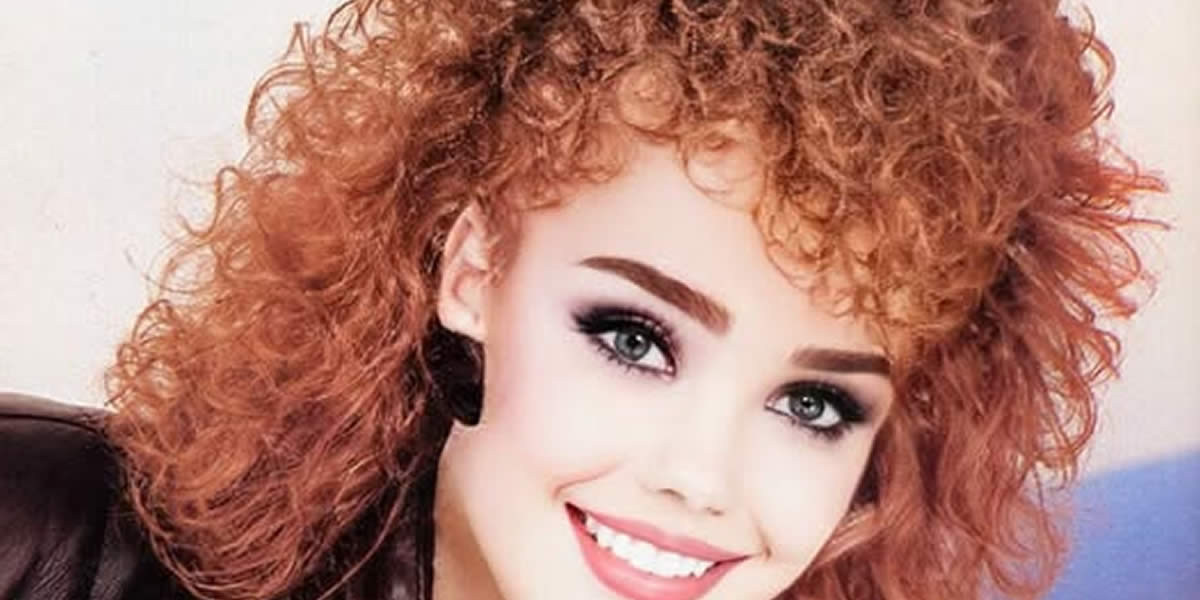
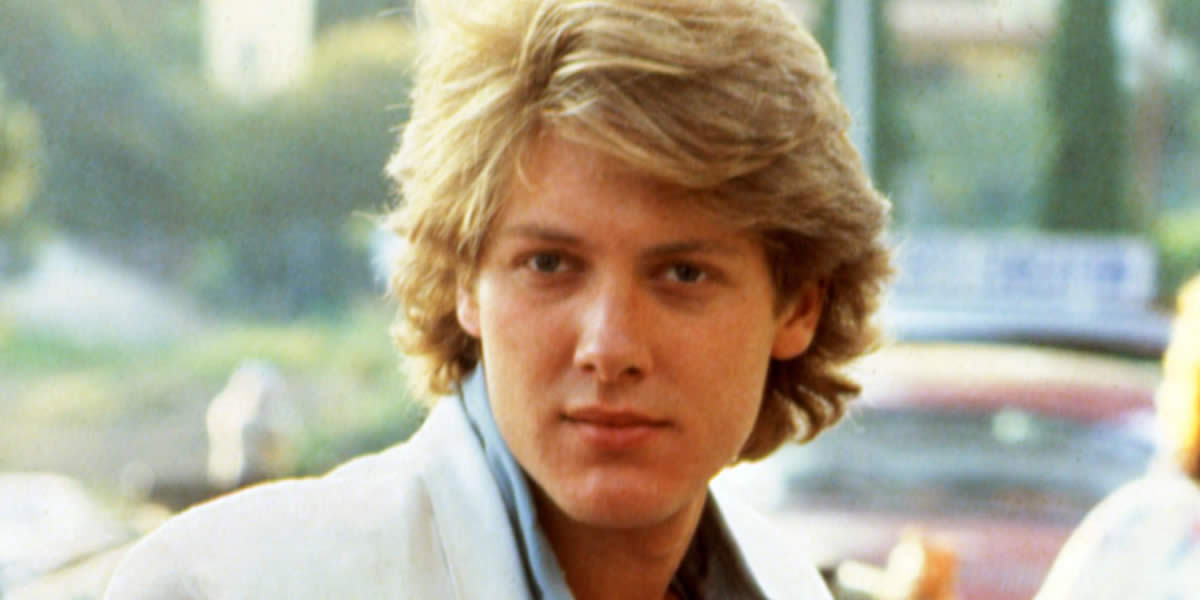
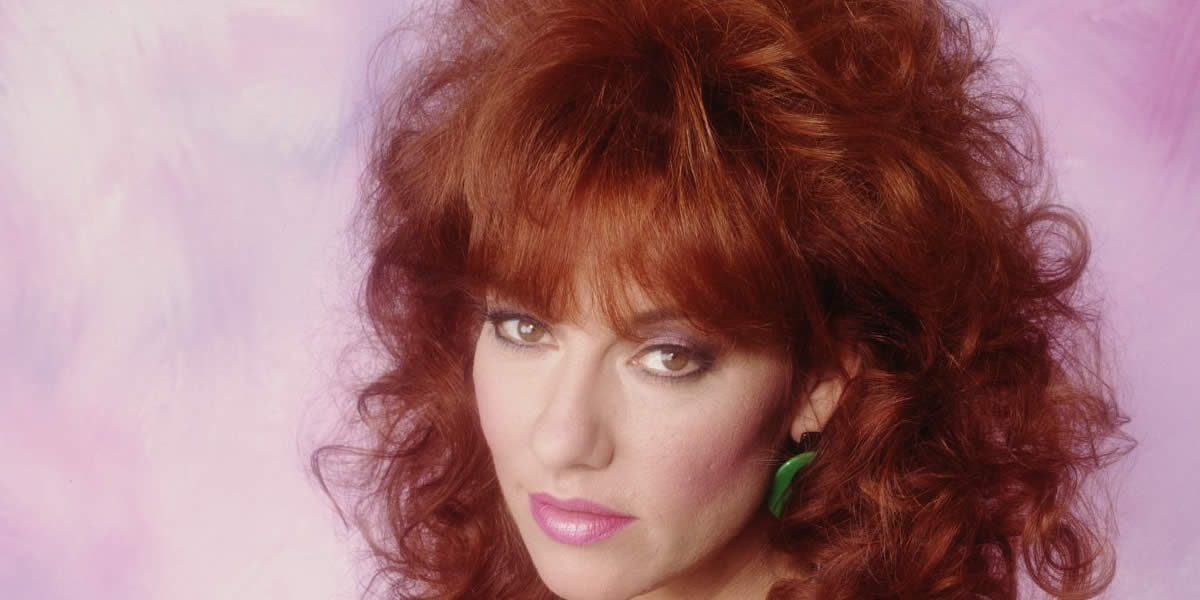
With choppy layers, loose movement, and a rock-and-roll edge, shaggy hair brought a relaxed alternative to the big, carefully styled looks of the 1980s.
In a decade often remembered for towering bangs, sculpted curls, and hair sprayed into submission, shaggy hair offered another way to look put together. It fell in uneven layers around the face, brushed the ears or shoulders, and seemed to have a life of its own. The ends might flick outward, the fringe might fall across the forehead, and the whole shape could look as though its owner had run a hand through it and walked out the door.
That was the appeal. Shaggy hair suggested movement rather than perfection, personality rather than polish. It could be worn by a woman with a guitar slung over her shoulder, a man in a worn denim jacket , or a teenager who wanted something more interesting than a conventional salon cut. It belonged comfortably alongside faded band shirts, leather jackets, thrift-store clothes, and the informal confidence of rock culture.
The shag haircut was not invented in the 1980s. Its roots reached back to the previous decade, when layered cuts became associated with musicians, actors, and a changing attitude toward personal style. By the eighties, the look had developed several identities. On Joan Jett , dark and jagged layers reinforced a tough, independent rock image. On other performers, longer, feathered hair retained some of the softness and movement popularized during the 1970s. Men and women alike adapted the cut to their own hair, tastes, and musical loyalties.
The word shaggy also described an attitude. It suggested that a person did not need every strand to sit precisely in place to look good. The style could be casual without being shapeless, distinctive without being elaborate, and fashionable without appearing overly concerned with fashion.
That distinction mattered in a decade when hair could become a major personal project. Perms, blowouts, teased bangs, and generous applications of hairspray were part of the era’s beauty landscape. Against those carefully constructed silhouettes, the shag offered a different kind of appeal. Its layers created texture and volume, but its irregular shape left room for looseness.
The result was one of the decade’s most adaptable hairstyles: a cut with enough rock-and-roll character to stand out, yet enough everyday practicality to move from school or work to a concert without requiring an entirely different identity.
Shaggy Hair Was a Laid-Back Hairstyle of the 80s The Shag Haircut Brought 1970s Rock Into the 80s To understand why shaggy hair felt so natural in the 1980s, it helps to look back to the years when layered hairstyles first became widely recognizable. During the 1970s, popular culture was increasingly comfortable with hair that moved away from traditional, carefully arranged styles. Musicians and actors wore longer cuts, feathered layers, and shapes that framed the face without forming a rigid outline.
The shag became one of the defining examples. Often associated with New York hairstylist Paul McGregor, the cut gained attention through Jane Fonda’s appearance in the 1971 film Klute . Rather than forming one even length, the hair was cut into layers, producing a textured outline around the head and face. The shape could be short or long, but its defining feature was the contrast between layers.
The cut suited an era in which film, music, and celebrity photography were changing the way people thought about personal appearance. A hairstyle seen on a screen or record sleeve could quickly become an idea someone carried into a salon. David Cassidy, Mick Jagger, David Bowie, and other performers helped make layered, rock-influenced hair familiar to audiences, although each wore a different variation.
By the time the 1980s began, the shag already had a history. It did not need to be introduced as a completely new fashion. Instead, it could be reshaped to fit the decade’s changing musical identities.
Some versions retained the softer, feathered movement associated with seventies rock. Others became more sharply textured, with uneven ends and shorter layers around the crown. The outline could be deliberately messy or carefully arranged to appear messy. Length varied according to the wearer, from a short, face-framing cut to hair brushing the shoulders.
The eighties also encouraged greater variety in how people presented themselves. Mainstream pop performers might wear sculpted volume, while punk and alternative musicians embraced styles that looked rougher or less conventional. The shag could move between these worlds because it did not depend on one exact shape.
It could look romantic, rebellious, androgynous, or simply relaxed. Its adaptability was a major reason it remained visible through the decade. Rather than replacing the earlier shag, the 1980s gave the haircut new associations, particularly through women in rock who used it as part of a recognizable musical identity.
What Made Shaggy Hair Look So Effortlessly Cool? The shag’s defining feature was its layering. Hair was cut to different lengths, creating texture around the crown, sides, and ends. Shorter layers could add fullness near the top, while longer sections framed the face and neck. Bangs or a fringe often completed the shape, though not every version included them.
The result was neither a conventional bob nor a single-length long hairstyle. It occupied a middle ground, with an outline that appeared irregular but still had a recognizable structure. Hair could fall forward, curl outward, or separate into distinct pieces. Straight hair tended to emphasize the cut’s choppy lines, while waves and curls gave it additional movement.
This was where the shag differed from some of the decade’s more formal styles. A sculpted blowout depended on shaping the hair into a controlled silhouette. A shag relied on the relationship between its layers, allowing the hair to shift as the wearer moved. It could still be blow-dried or styled with products, but its appeal did not depend on every strand being perfectly aligned.
That did not mean the haircut was automatically effortless. A good shag required cutting skill, and the right shape depended on hair texture, density, and length. Too much layering could leave some hair types looking thin at the ends, while a poorly balanced cut could lose its intended outline. The appearance of casualness was partly the result of deliberate decisions made with scissors.
For many wearers, though, the shag offered a welcome alternative to a style that required constant maintenance. A little natural texture could help the layers fall into place. Fingers, a brush, or a quick adjustment with a blow-dryer might be enough to restore the shape.
The cut also gave people room to make small changes without abandoning its basic character. Bangs could be brushed to the side or allowed to fall forward. The ends could be flipped outward for a more retro appearance, or left to settle naturally for a softer effect. Longer layers could be tucked behind the ears, while shorter pieces framed the cheeks.
That flexibility was especially useful in a decade when fashion often emphasized individuality. The shag was recognizable, but it did not require every person to look alike. Its looseness allowed personal style to show through.
The haircut’s laid-back quality, then, was not simply a matter of being untidy. It came from a balance between shape and movement. The hair had enough structure to look intentional, yet enough freedom to avoid looking fixed in place.
Joan Jett Made the Shag a Symbol of Rock-and-Roll Independence Few figures are more closely associated with the eighties rock shag than Joan Jett. Her dark, jagged hair became part of a public image built around loud guitars, black clothing, direct performance, and a refusal to fit conventional expectations of femininity.
Jett’s style had roots in her earlier years with the Runaways, the all-female rock band formed in Los Angeles in the mid-1970s. She began wearing her hair black during the band’s early period, partly as a way to distinguish her look from that of bandmate Cherie Currie, who was known for her platinum-blond hair. In a 2018 interview with Vogue , Jett discussed her influences, including glam-rock performers such as David Bowie, T. Rex, and Suzi Quatro.
Her haircut was not simply a hairstyle attached to a successful musician. It helped communicate the attitude of her performances. The black layers, dark eye makeup, leather clothing, and guitar-driven music formed a coherent image that differed from the polished pop femininity often presented to young audiences.
By the early 1980s, Jett had established herself with the Blackhearts. Her version of rock was direct and forceful, and her appearance reinforced that impression. The shag moved with her onstage rather than forming a rigid frame around her face. It could look untamed without appearing accidental.
Her 1981 hit “Bad Reputation” became closely associated with her independent public persona. The song’s message about refusing to live according to other people’s approval fit the visual language she had developed over several years. The haircut alone did not explain her music or her beliefs, but it became one of the recognizable parts of the image.
Jett also challenged expectations about women in rock. Female performers were often judged by standards that placed heavy emphasis on their appearance and perceived femininity. Her look did not attempt to erase style, but it used style on her own terms. Dark hair, leather, and a choppy cut presented an alternative to the carefully polished image of the conventional pop star.
For fans, the appeal was easy to understand. Jett looked like a musician whose attention belonged on the music rather than on pleasing an audience through conventional glamour. Her hair could be copied, but the larger influence was the permission her image seemed to offer: a woman could look tough, messy, stylish, and entirely in control of her own presentation.
As the decade progressed, the shag became a natural choice for people who wanted a haircut with rock associations but did not necessarily want the full visual intensity of punk. It could be worn with a leather jacket and boots, but it could also work with everyday clothes. Jett’s influence helped establish the cut as a lasting symbol of female rock independence.
Shaggy Hair Fit the Alternative Music Scene The shag’s relationship with rock music went beyond one performer. During the 1980s, alternative and underground music offered audiences a wide range of ways to distance themselves from the polished sound and appearance of mainstream entertainment. Punk, post-punk, college rock, and hard rock differed musically, but many performers treated personal style as an extension of their artistic identity.
Hair became part of that visual language. Some punk musicians chose mohawks or brightly colored spikes. Others wore shaved heads or severe, geometric cuts. Within the broader rock world, shaggy layers offered a less extreme but still distinctive alternative. The hair could suggest a connection to guitar music without making the wearer appear to be following a uniform.
The Pretenders’ Chrissie Hynde provided another example of how layered hair could contribute to a musician’s public identity. Her dark, rock-influenced appearance and blunt, self-possessed stage presence helped make her one of the most recognizable women in rock during the decade. Like Jett, Hynde did not fit neatly into the expected image of a conventional pop star.
The shag could also coexist with the more bohemian side of rock culture. Longer, wavy layers, sometimes paired with loose clothing and flowing fabrics, suggested a different relationship to style from the crisp lines of a business suit or the precision of a formal salon blowout. The hair could look relaxed and expressive without necessarily carrying an explicit political message.
This range was important because rock was not a single culture. A fan who listened to hard rock might favor a layered cut for its movement and volume. Someone drawn to punk might wear a shorter, more aggressively textured version. A college-rock fan could choose a softer, less dramatic shape. Similar cuts could express different musical preferences.
The style also worked well in photographs and performance settings. Layers created visual movement under stage lights, while uneven ends gave the hair character in close-up images. On record covers and in music magazines, the cut helped distinguish artists from performers whose images relied on polished glamour.
Music videos expanded the circulation of these looks. MTV, launched in 1981, made the visual presentation of musicians a regular part of the home entertainment experience. Audiences no longer encountered performers only through concerts, radio, album sleeves, or occasional television appearances. Their hair, clothing, gestures, and surroundings could become familiar through repeated viewing.
The shag was well suited to this environment because it could be expressive without requiring elaborate styling. It worked in a candid-looking photograph as well as in a carefully planned video. Its appeal depended on the impression of personality rather than perfection.
The Shag Was Not Just for Women Although the shag is often remembered through women in rock, layered, shaggy hair was also common among men. The look carried over from the 1970s, when male musicians and television performers helped popularize longer hair with feathered or layered shapes.
By the 1980s, men could choose from a broad range of hairstyles, including short cuts, mullets, feathered styles, perms, and longer rock-inspired layers. The shag occupied a flexible position among them. It could be cut above the ears, fall toward the collar, or extend to the shoulders, depending on the wearer’s preference.
For men associated with rock music, the cut often conveyed a casual attitude. The layers could be left loose, brushed back, or allowed to fall around the face. Combined with denim, worn leather, and band shirts, the hair helped create an image that felt less formal than the neat side parts and short cuts associated with traditional business or school grooming.
Yet shaggy hair did not belong exclusively to musicians. Actors and television personalities also wore layered styles, helping audiences encounter them outside the concert stage. The circulation of celebrity images made the hairstyle accessible to people who liked its shape but had no particular connection to a music scene.
The distinction between a shag and a mullet could sometimes be subtle. Both could feature shorter hair around the crown and longer sections at the back. A shag generally emphasized layered texture throughout the cut, while the mullet more clearly contrasted shorter hair on top and at the sides with a longer back. In practice, individual styles could overlap, and salon terminology was not always consistent.
That overlap reflected the era’s willingness to experiment. Haircuts were not always neatly categorized, and a person might combine elements from several styles. The shag could be softened with feathered ends, made more dramatic with a short fringe, or extended into a longer rock cut.
The cut’s adaptability also meant it could be adjusted to different textures. Straight hair could display the layers sharply, while wavy hair produced a more relaxed, irregular outline. Thick hair could carry pronounced layers, while finer hair might need a lighter approach to preserve fullness.
There was no one version that every man or woman was expected to wear. The shag’s appeal rested on the fact that it could be adapted rather than copied exactly. Its shared characteristics were texture, layers, and a sense of movement, not a rigid length or gender-specific shape.
That flexibility helped the hairstyle survive as fashions changed. It was connected to the decade’s rock culture, but it could be adjusted for ordinary life, different workplaces, and a range of personal tastes.
Shaggy Hair in a Decade of Big Bangs and Heavy Hairspray The 1980s are often represented by hair that seems to defy gravity. Bangs were teased upward, curls were built into generous shapes, and hairspray helped maintain silhouettes that could remain remarkably fixed. For many people, styling was a routine involving a blow-dryer, mousse, rollers, curling irons, or a can of firm-hold spray.
Against that background, the shag’s relaxed outline offered a useful contrast. It could have volume, but it did not need to rise into a towering shape. Its texture came from layers rather than from building all the hair upward. The result was often more irregular and less formal than the decade’s most exaggerated styles.
This difference should not be overstated. Shaggy hair could require styling products, and some versions were deliberately teased or blown into place. The shag was not a complete rejection of the eighties approach to hair. Instead, it offered a different way of using the era’s techniques.
The decade’s many looks also overlapped. Someone might wear a layered shag with feathered bangs, creating a shape that borrowed from both the seventies and the new decade. Another person might add volume at the crown while leaving the ends loose. A hairstyle could be relaxed in outline but still benefit from careful blow-drying.
The shag’s more informal appearance appealed to people who did not want to commit to a highly sculpted look every morning. It also suited the growing variety of identities visible in popular culture. There was no single ideal of beauty that every audience accepted, and the music scene made that diversity especially apparent.
A layered cut could look attractive without presenting the wearer as someone who spent hours perfecting every detail. The hair might move across the forehead or fall differently after a long day. Such changes were not necessarily failures. They could be part of the cut’s character.
The broader beauty culture of the 1980s was therefore not a simple contest between big hair and casual hair. It was a period of experimentation in which highly polished styles and deliberately loose ones could exist side by side. The shag represented one end of that spectrum, offering a rock-influenced alternative to more formal silhouettes.
Its appeal also crossed age groups. Younger fans could use it to identify with alternative music, while adults might choose a softer layered cut for its versatility. A shag could be conspicuous enough to feel fashionable but restrained enough to work beyond a club or concert.
That balance gave it staying power. It was not dependent on one particular trend in color, length, or volume. Its defining feature was the relationship between layers and movement, which could be reinterpreted as tastes changed.
How the 80s Shag Was Cut, Styled, and Made Personal Part of the shag’s popularity came from its ability to look different on different people. Although the cut depended on layers, the details could vary considerably. A stylist might create short, choppy layers around the crown, longer pieces near the neck, and a fringe that framed the forehead. Another version could use softer layers that blended together, producing a less dramatic outline.
The best shape depended on the wearer’s hair. Naturally wavy hair could give the shag an irregular texture without much extra work. Straight hair might need blow-drying or a little product to emphasize the layers. Thick hair could be shaped to reduce bulk, while fine hair required care to avoid making the ends appear too sparse.
The haircut also allowed for changes in styling. Brushing the layers away from the face created a more open shape. Allowing the fringe to fall forward made the cut look moodier and less formal. Flipping the ends outward introduced a retro quality, while leaving them unstructured emphasized the rock influence.
Products could help, but the approach did not have to be elaborate. Mousse could add body, while a blow-dryer and brush could direct the layers. Hairspray was available for anyone who wanted a firmer shape, though the haircut’s character often depended on preserving some movement. The aim was not always to make the hair look untouched, but to avoid a finish that appeared too rigid.
For many people, the salon visit was an exercise in translation. A photograph of a favorite musician offered a starting point, but the stylist had to adapt the shape to the customer’s hair and face. Celebrity hair did not automatically produce the same result on everyone. Length, density, texture, and the amount of time a person wanted to spend styling all affected the outcome.
That process made the shag personal. Two people could request a similar layered cut and leave with styles that looked quite different. One might have a short, jagged fringe and dark hair, while another wore longer, softer layers with natural waves. The haircut provided a framework, not a finished identity.
It also offered room to grow. As the hair lengthened, the layers could settle into a softer shape, or a stylist could trim them to preserve the outline. The cut did not always demand a dramatic change when someone wanted a slightly different appearance.
Its do-it-yourself spirit was compatible with the wider culture of individual styling that shaped the decade. People used music, magazines, films, and friends as references, then adapted the results to their own circumstances. The shag was fashionable, but it did not require a single approved version.
Why the Shaggy Hairstyle Still Feels Relevant The shag has continued to return because its basic structure is flexible. Layers can be cut short or long, the fringe can be full or minimal, and the outline can be dramatic or soft. The haircut can be adapted to current tastes without losing the texture and movement that define it.
Later versions appeared in the 1990s and beyond, including softer, face-framing layered styles associated with actresses and fashion photography. Those cuts were not exact copies of the 1980s rock shag, but they shared its interest in movement and an informal outline. In the twenty-first century, the shag has also been revisited through styles such as the wolf cut, which combines heavy layering with a stronger contrast between the crown and longer sections.
The renewed interest reflects a continuing desire for hairstyles that look individual rather than uniform. A shag can work with natural waves, curls, or straight hair, and it can be adjusted to suit different lengths. It also offers an alternative to highly polished styles, even when the modern version is carefully cut and maintained.
The connection to the eighties remains particularly strong through musicians such as Joan Jett. Her dark, layered hair has become part of the visual memory of female rock, alongside the guitar, leather clothing, and directness of her performances. The image endures because the haircut was never merely decorative. It helped express an attitude toward independence and public identity.
Still, the shag’s lasting appeal is not limited to rock music. Its layered construction solves a practical styling problem by creating movement and shape without requiring every strand to fall at the same length. It can be adapted to a professional setting or worn in a more dramatic, deliberately messy way. The style is recognizable but not rigid.
That adaptability explains why the shag can feel both historical and contemporary. The 1980s version belonged to a particular cultural moment, shaped by rock musicians, alternative fashion, and a decade of competing ideas about beauty. Modern versions inherit parts of that history while reflecting different tastes and expectations.
The most enduring quality of shaggy hair is the impression it creates. It suggests that a person can care about appearance without making perfection the goal. Its layers frame the face but leave room for movement; its texture looks deliberate without feeling overly controlled.
In the 1980s, that balance gave the shag a place among a remarkable variety of hairstyles. It could stand beside big bangs and elaborate perms without trying to compete with them on volume. It could express rock-and-roll independence or simply offer a relaxed alternative to a conventional cut.
The shag was laid-back, but it was never without character. Its shape came from careful cutting, its associations from decades of music and fashion, and its appeal from the freedom to make it one’s own. Long after the original records stopped spinning on the turntable, those choppy layers continued to offer a simple idea: style could be expressive without being perfect.