Discover how scrunchies transformed 1980s hairstyles, from high side ponytails to voluminous curls, and why this simple fabric accessory became a lasting fashion icon.
A great 1980s hairstyle rarely happened by accident. There might be a can of hairspray on the bathroom counter, a teasing comb beside the sink, and a blow dryer running long enough to compete with the radio playing in the next room. Bangs were lifted, curls were arranged, and carefully constructed volume took shape in front of a mirror. Then came the finishing touch: a fabric-covered elastic band pulled around a ponytail, adding a soft ring of color to a style that was anything but understated.
The scrunchie had arrived at just the right moment. As the decade progressed, hair became an increasingly visible part of personal style, particularly among teenagers and young women. Big curls, high ponytails, asymmetrical updos, and expressive combinations of texture and volume all offered ways to make an impression. The scrunchie, with its gathered fabric and generous shape, was more than a convenient way to secure hair. It became an accessory that could change the appearance of a hairstyle without requiring another round of cutting, curling, or spraying.
A simple elastic band might seem an unlikely contributor to one of the most recognizable beauty trends of the 1980s. Yet the scrunchie occupied an unusually useful position between practicality and decoration. It held hair in place, felt softer than many conventional hair ties, and came in enough colors and fabrics to coordinate with an outfit or provide a deliberate contrast.
Its influence extended beyond a single hairstyle. A high ponytail could look sporty, a side ponytail playful, and a loose bun casual or romantic, depending on how the hair was arranged and which scrunchie finished the look. The accessory helped make ordinary hair arrangements more expressive, giving wearers another way to participate in the decade’s visual culture.
The scrunchie also tells a broader story about 1980s fashion. In an era when people increasingly used clothing, makeup, and hairstyles to communicate personality, even a small accessory could carry considerable significance. It did not have to be expensive, technically complicated, or exclusive to a particular social group. It simply had to work, look distinctive, and leave room for personal interpretation.
That combination turned the scrunchie into a defining feature of 80s hairstyles, and its later revival suggests that the appeal of this modest invention was never entirely tied to nostalgia.
Scrunchies Created Some of the Most Unique Hairstyles of the 80s The Rise of Scrunchies in 80s Hair Fashion The scrunchie’s rise coincided with a decade that made hair an especially prominent part of fashion. Early in the 1980s, styles from the previous decade remained visible, but hair trends gradually moved toward greater volume, more elaborate shaping, and a wider variety of recognizable silhouettes.
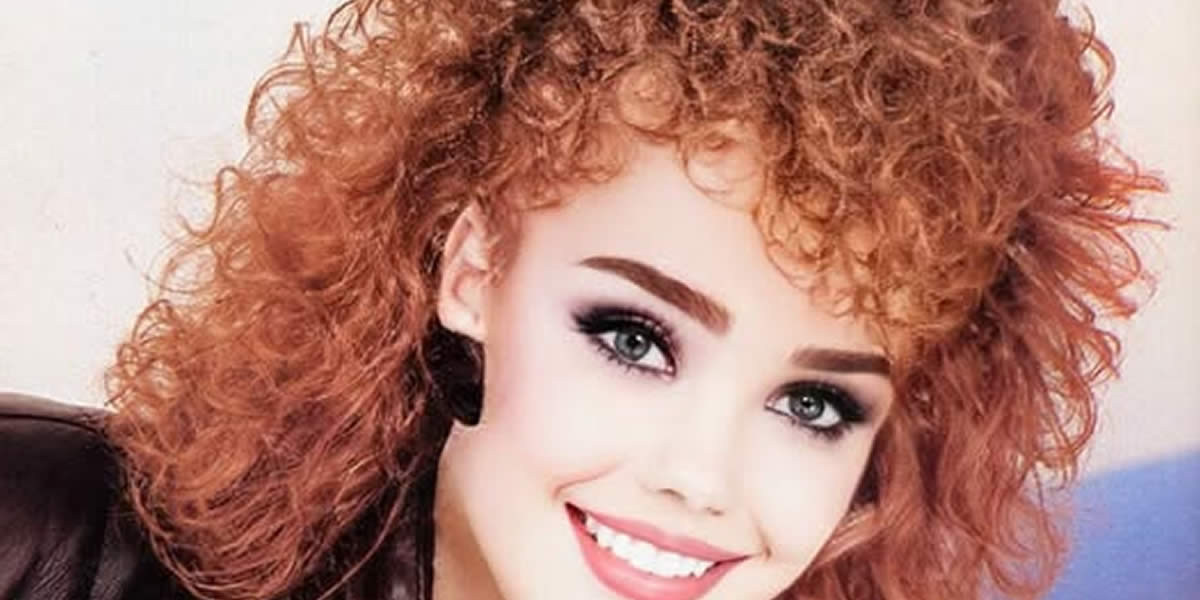
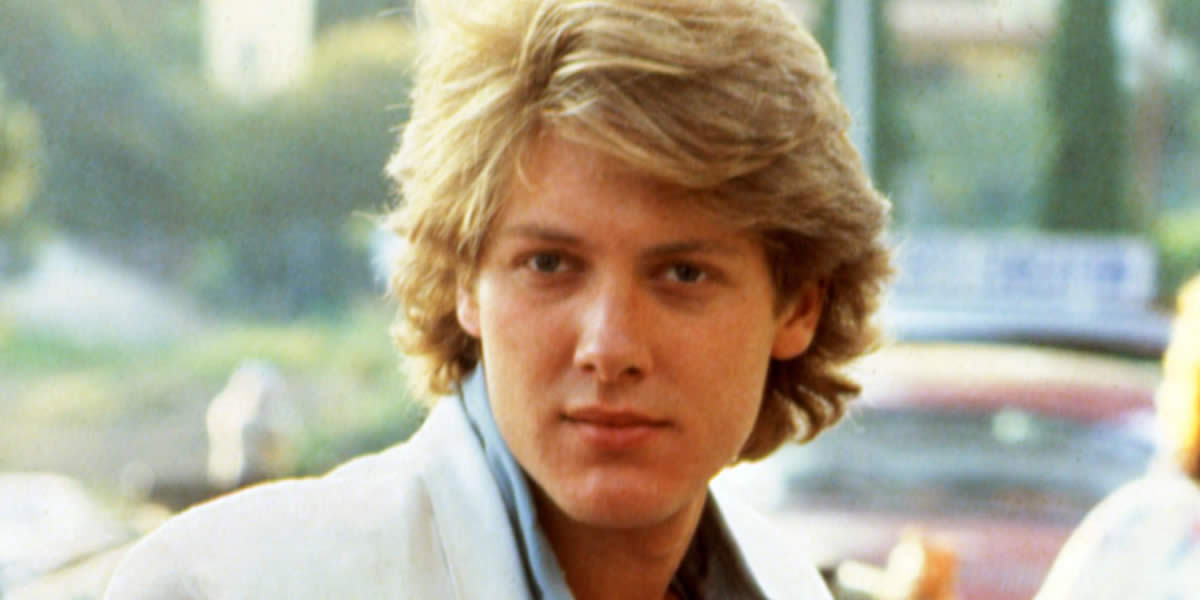
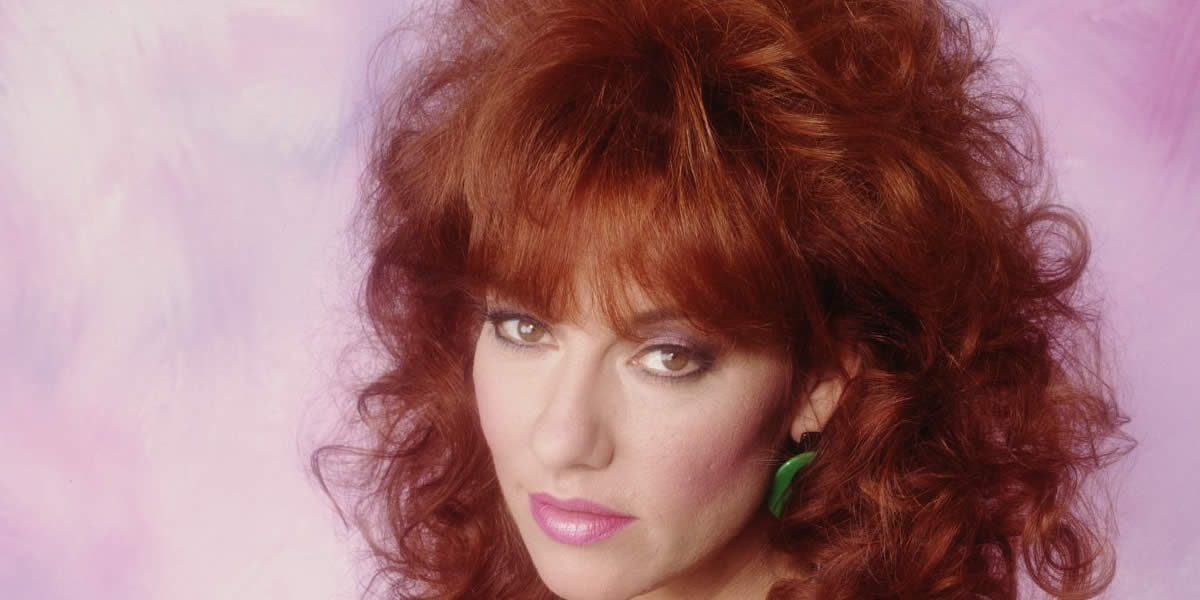
By the middle of the decade, large curls, teased bangs, layered cuts, and permed hair had become familiar sights. Television performers, pop musicians, film stars, and magazine models helped circulate these looks, while salons and at-home styling products made them accessible to people beyond the entertainment industry.
The results could be dramatic. Hair might be lifted at the roots, curled around a brush, shaped with mousse, or held in place with generous applications of hairspray. Even relatively simple styles often involved a deliberate decision about volume and shape. The finished hair was not merely something to keep tidy. It was part of the outfit.
The scrunchie offered a practical way to participate in this culture of expressive styling. Unlike a narrow elastic band, it surrounded a ponytail with gathered fabric, creating a visible accent at the point where the hair was secured. The effect was particularly noticeable when the hair was pulled high or swept to one side.
Its popularity also benefited from the increasing overlap between athletic clothing and everyday fashion. Tracksuits, sweatshirts, sneakers, and other casual garments were becoming part of mainstream wardrobes. A ponytail secured with a bright scrunchie suited this look, whether its wearer was heading to a dance class, walking through a shopping mall, or spending an afternoon with friends.
Yet the accessory was not limited to sporty outfits. Depending on its material and color, a scrunchie could complement a patterned blouse, a denim jacket, a party dress, or a simple T-shirt. Velvet and satin versions offered a different impression from brightly colored cotton or synthetic fabric.
That versatility helped make the scrunchie a familiar item rather than a specialized beauty product. It could be worn by children, teenagers, college students, and adults, with each group interpreting the accessory in its own way.
The trend was especially visible among younger wearers, for whom hair accessories offered an affordable means of experimentation. A person did not need to change a haircut or buy an entirely new wardrobe to try a different look. Moving a ponytail higher, switching from a plain elastic to a patterned scrunchie, or coordinating the accessory with a sweatshirt could produce a noticeable change.
By the late 1980s, the scrunchie had become closely associated with the high ponytails and side ponytails that now appear in many retrospective images of the decade. Its appeal rested on the fact that it could be both functional and decorative, making it particularly well suited to a fashion culture that valued visible personal style.
Who Invented the Scrunchie? The Story Behind the Accessory The story of the scrunchie begins with a familiar frustration: ordinary hair ties could be uncomfortable, catch strands, and damage hair when removed. For people who regularly wore ponytails or buns, finding a secure but gentler alternative was a practical concern.
Rommy Hunt Revson, an American singer, songwriter, and vocal teacher, is widely credited with developing the modern scrunchie in 1986. According to accounts of her invention, she wanted an alternative to the elastic hair ties available at the time. Inspired by the fabric-covered elastic waistband of her pajama pants, she began experimenting with a similar construction for hair.
The principle was straightforward. Instead of allowing a bare elastic band to grip the hair directly, she enclosed the elastic in a gathered tube of fabric. The elastic still provided the tension needed to secure a ponytail, while the fabric formed a soft, ruffled covering.
Revson’s solution was a small example of practical design responding to an everyday problem. The idea did not depend on sophisticated machinery or unusual materials. It depended on recognizing that an existing product could be made more comfortable and visually appealing with a relatively simple modification.
There is an important historical qualification, however. Revson was not necessarily the first person to conceive of a fabric-covered elastic hair tie. Accounts of earlier designs include a concept attributed to Philips E. Meyers in 1963, as well as other fabric-covered ponytail holders that appeared before the scrunchie’s late-1980s commercial success. Revson’s role is best understood in the context of the modern scrunchie’s development, patenting, and popularization.
She received a design patent in 1987 for her hair accessory, initially marketed under the name Scünci. The product found a receptive audience among retailers and consumers, and the scrunchie soon became widely available in different colors and materials.
The name itself became part of the accessory’s identity. Over time, scrunchie emerged as the familiar generic term for the gathered fabric hair tie, while Scünci remained a brand name. The word captured the item’s defining physical feature: fabric that bunches and folds around an elastic core.
The invention’s success was not simply a matter of good timing, although timing helped. The scrunchie addressed a practical concern while offering something more visually interesting than the plain elastics many people had used before. It could be manufactured in different fabrics, produced in many colors, and sold at an accessible price.
That combination was well suited to the fashion market of the 1980s. The accessory could serve as a solution to a small everyday inconvenience and as an inexpensive way to participate in a broader style trend.
Its history also reminds us that popular inventions often emerge from a mixture of earlier ideas, individual ingenuity, and commercial opportunity. Revson’s contribution became culturally significant because the product she developed reached a large audience at a time when expressive hairstyles were flourishing.
High Side Ponytails and the Scrunchie Hairstyles Everyone Recognized If one hairstyle captures the scrunchie’s place in 1980s fashion, it is the high side ponytail. Hair swept toward one side of the head, gathered above the ear, and secured with a colorful scrunchie created an unmistakable silhouette. It was playful, slightly offbeat, and easy to recognize from across a room.
The style worked because it transformed an ordinary ponytail through placement alone. Rather than gathering the hair at the back of the head, the wearer pulled it to one side, where the ponytail became part of the overall outline of the hairstyle. The scrunchie added a contrasting band of fabric at the base, making the arrangement more decorative.
The effect depended on the hair itself. Straight hair created a sleek sweep before falling into a ponytail. Naturally wavy hair offered more movement, while curls or a perm produced additional volume. Some wearers teased the hair around the crown to lift it, creating a contrast between the height at the top of the head and the ponytail gathered to the side.
The scrunchie helped tie the elements together. A bright pink accessory could reinforce a colorful outfit, while a patterned one might provide a small burst of detail against a plain sweatshirt. The accessory was visible enough to make the hairstyle feel finished, but simple enough that it did not require complicated styling.
For younger wearers, the side ponytail offered a particularly approachable form of experimentation. It did not demand the precision of an elaborate updo or the commitment of a new haircut. A brush, an elastic, and a few minutes in front of a mirror could create the basic look. Those who wanted extra height or texture could add styling products or adjust the placement.
The style’s popularity also reflected the decade’s willingness to embrace asymmetry. Many mainstream hairstyles of earlier periods emphasized balanced, carefully arranged shapes. The high side ponytail introduced a more informal kind of visual imbalance, making the hairstyle look lively and a little mischievous.
It was not the only way to wear a scrunchie, nor was every high ponytail necessarily a product of the 1980s. Ponytails had been common for generations, and fabric hair ties existed in various forms before Revson’s invention. What distinguished the late-1980s look was the combination of placement, volume, and the conspicuous fabric accessory.
The result became a familiar image of teenage fashion, appearing in school photographs, family snapshots, and the wider visual record of the decade. Even today, a high side ponytail secured with a bright scrunchie can suggest the period without needing any additional styling cues.
Big Hair, Curls, and Scrunchies: Making Volume Part of the Look The 1980s are often remembered for big hair, but volume was only one part of a much broader approach to styling. Hair could be teased, permed, curled, layered, or shaped into carefully arranged waves. The finished look might be glamorous, sporty, romantic, or deliberately rebellious, depending on how those techniques were combined.
The scrunchie offered a useful finishing detail for these more elaborate styles. When a large amount of hair was gathered into a ponytail, a narrow elastic could disappear into the mass of strands or look visually insignificant. A fabric-covered tie, by contrast, remained visible, adding texture and color where the hair was secured.
Consider a ponytail formed from permed hair. The curls provided volume along the length of the ponytail, while a scrunchie created a distinct boundary between the gathered hair and the rest of the head. The accessory could be coordinated with clothing or selected to contrast with the hair color, turning the point of attachment into a deliberate feature.
A different approach involved teasing the crown before pulling the hair back. This created height at the top of the head, with the ponytail falling behind or to one side. The scrunchie supplied a soft, rounded accent that balanced the more structured shape above it.
The decade’s styling products played an important role in achieving these looks. Mousse helped provide body and definition, while hairspray could preserve teased sections and maintain volume. Curling irons, rollers, blow dryers, and round brushes allowed people to create different textures at home, although the results depended on hair type, skill, and the amount of time available.
The scrunchie did not create volume by itself. Its contribution was to make the gathered section more visually expressive while securing the hairstyle. This distinction matters because the accessory is sometimes treated as though it were responsible for every aspect of the era’s hair fashion. In reality, it worked alongside a larger collection of techniques and products.
It also provided a way to adapt elaborate hair to everyday routines. A person could wear curls loose for an evening out, gather them into a ponytail the next morning, and use the same scrunchie to keep them away from the face during work, exercise, or household activities.
For people whose hair required considerable styling, that flexibility was valuable. A ponytail could preserve some of the character of a carefully prepared hairstyle while making it easier to manage. The scrunchie allowed practicality to coexist with the decade’s emphasis on presentation.
Not everyone wanted towering bangs or highly structured curls, of course. Straight hair, short cuts, and understated styles remained part of the decade’s varied beauty culture. The scrunchie was adaptable enough to suit many of them, which helps explain why it became more than an accessory for the biggest hairstyles.
Its significance was not that every wearer had dramatic hair. It was that the accessory offered a visible, flexible way to finish whatever style someone chose.
Matching Scrunchies to Clothes, Colors, and Personal Style One of the reasons scrunchies became so appealing was their ability to connect hair styling with the rest of an outfit. Clothing might establish the overall look, but a coordinated hair accessory could bring the details together.
The possibilities were considerable. A bright scrunchie could complement the fluorescent colors associated with athletic fashion. A floral print could suit a casual summer dress. A black or navy accessory offered a quieter option, while velvet or satin provided a more polished finish for evening wear.
The fabric itself influenced the impression. Cotton and lightweight synthetic materials suited everyday use, while smoother or more lustrous fabrics could make the accessory look dressier. Patterned versions introduced another layer of visual interest, especially when paired with simple clothing.
Matching did not always mean choosing the same color as the outfit. Sometimes contrast made the effect more appealing. A vivid accessory against dark hair, for example, could draw attention to the ponytail, while a darker scrunchie might provide a subtle accent against lighter hair. The choice depended on the wearer’s preferences and the overall shape of the hairstyle.
This approach reflected a broader feature of 1980s fashion: accessories were increasingly treated as visible components of an outfit rather than merely functional additions. Earrings, headbands, belts, bracelets, and hair ties could all contribute to a coordinated look. The scrunchie belonged to this larger culture of styling through small, changeable details.
It was also an accessible form of personal expression. A new scrunchie cost less than a new haircut, and switching accessories did not require a lasting commitment. A collection of several colors could provide options for different outfits, occasions, or moods.
For teenagers, the accessory could become part of a personal style without requiring expensive clothing. Someone wearing jeans and a plain top could make the outfit more distinctive with a colorful hair tie. Someone following a more elaborate fashion trend could use the scrunchie as one component of a carefully coordinated ensemble.
There was no single correct way to wear it. Some preferred a scrunchie that matched their clothing; others chose the brightest color available. Some used one as a discreet practical accessory, while others wanted the gathered fabric to stand out.
That range of possibilities helps explain the scrunchie’s staying power. Its basic construction was consistent, but the wearer controlled much of its visual meaning. A simple piece of fabric and elastic could be sporty, playful, elegant, or casual depending on how it was styled.
From School Hallways to Pop Culture: How Scrunchies Became a Generational Symbol Fashion trends often become memorable through ordinary settings rather than grand cultural events. The scrunchie’s history was shaped by everyday routines: getting ready for school, tying back hair before exercise, preparing for a family outing, or choosing an accessory before meeting friends.
In school hallways and college classrooms, the scrunchie was part of a wider collection of hair accessories that included headbands, barrettes, ribbons, and banana clips. Each offered a different way to manage hair, but the scrunchie had the advantage of combining a secure hold with a soft, decorative appearance.
It could also be worn around the wrist when not needed in the hair. That small convenience made it easy to keep one close at hand, ready for a change in activity or weather. Like other everyday accessories, it could become part of a person’s routine without requiring much thought.
Popular culture reinforced the association between scrunchies and youthful style. Television and film costumes helped circulate the broader look of the decade, while music videos, fashion photography, and magazines showed audiences how hair and clothing could work together. Scrunchies appeared within this visual environment, often alongside high ponytails, voluminous curls, and casual sportswear.
It would be misleading to credit one celebrity or television show with creating the trend. The scrunchie’s popularity developed through many overlapping channels, including retail marketing, changing hair fashions, and the choices of ordinary consumers. Its familiarity was cumulative: the more often people saw the accessory, the more naturally it became part of the period’s style vocabulary.
The accessory also crossed age groups. Although it became particularly associated with girls and young women, adults could use it for practical reasons or as a decorative touch. Its simplicity made it easy to adopt without committing to a particular subculture or fashion identity.
Looking back, the scrunchie has become a generational marker partly because it is so visually specific. A photograph of a side ponytail secured with a brightly colored fabric band can place the viewer in the late 1980s almost immediately. The object is small, but it helps establish the hairstyle, the outfit, and the broader visual atmosphere.
Its associations have changed over time. An accessory that once looked fashionable could later be regarded as outdated, particularly as hair trends shifted toward different silhouettes and more restrained styling. Yet even its periods of unpopularity contributed to its cultural identity. The scrunchie became recognizable not only as a practical hair tie but also as a reminder of a particular moment in fashion.
For those who grew up with it, the accessory may evoke school photographs, family albums, dance classes, or the experience of trying out a new hairstyle. For younger generations, it offers a tangible connection to a decade they may know primarily through films, music, and vintage clothing.
The scrunchie’s place in popular culture therefore comes from more than its appearance on famous heads. It belongs to the everyday history of how people dressed, styled themselves, and participated in the trends around them.
Why Scrunchies Fell Out of Fashion and Made a Comeback Fashion trends rarely disappear all at once. They fade as new silhouettes emerge, familiar accessories become associated with an earlier generation, and consumers look for different ways to express their style. The scrunchie followed this familiar pattern after its 1980s heyday.
During the 1990s, the accessory remained widely available, but its cultural associations changed. The more restrained hairstyles favored in some fashion circles left less room for the conspicuous fabric bands that had accompanied the previous decade’s voluminous looks. Scrunchies continued to serve a practical purpose, yet they increasingly became shorthand for an earlier era.
Popular culture later made that shift explicit. In a 2003 episode of Sex and the City , the character Carrie Bradshaw famously objected to the idea of a fashionable Manhattan woman wearing a scrunchie to a trendy restaurant. The scene turned the accessory into a joke about taste, social status, and the unwritten rules of fashionable dressing.
The joke depended on recognition. Viewers understood what a scrunchie represented, even if they disagreed about whether it deserved its unfashionable reputation. The accessory had become so familiar that it could communicate an entire set of cultural associations with a single glance.
But practical objects rarely remain out of favor forever. By the 2010s, scrunchies were returning to fashion, appearing in designer collections, beauty coverage, and everyday wardrobes. The revival drew on several influences, including renewed interest in 1990s fashion, nostalgia for earlier decades, and an appreciation for accessories that combine comfort with decorative appeal.
The modern scrunchie also offers a wider range of materials and designs than the stereotypical bright fabric bands associated with the 1980s. Velvet, silk, satin, patterned cotton, and oversized styles have all provided new ways to interpret the basic concept.
Some contemporary wearers use scrunchies to recreate vintage hairstyles. Others incorporate them into modern ponytails, loose buns, and casual updos. The accessory can be worn on the wrist as well as in the hair, preserving one of its simplest practical advantages.
Its return illustrates an important distinction between a trend and a useful design. Fashion may change the meanings attached to an object, but it cannot necessarily eliminate the need the object serves. A soft, reusable hair tie remains convenient regardless of whether the prevailing style favors elaborate curls or understated waves.
The scrunchie’s revival has also allowed a new generation to discover its original appeal without sharing the experiences of those who first wore it in the 1980s. For younger consumers, the accessory can be retro, contemporary, or simply useful. Its meaning depends on the context in which it is worn.
The Lasting Legacy of Scrunchies in 80s Hairstyles The scrunchie did not invent the ponytail, create the perm, or single-handedly define the hairstyles of the 1980s. Its contribution was more subtle and, in some ways, more revealing. It gave people a simple tool for combining practicality with personal expression at a time when hair had become a highly visible element of fashion.
The high side ponytail remains the clearest example. Its distinctive shape, especially when finished with a bright fabric band, captured the decade’s willingness to treat ordinary styling decisions as opportunities for experimentation. The same accessory could also complement voluminous curls, secure a casual bun, or add a small detail to a straightforward ponytail.
Just as importantly, the scrunchie made changing a look relatively easy. It could be switched to match an outfit, used to create a different visual accent, or carried on the wrist until needed. That flexibility made it useful beyond the brief period when it was considered fashionable.
Its history also places an everyday invention within a larger account of popular culture. The accessory emerged from a practical concern, found a market through commercial development, and became a recognizable feature of an era’s hairstyles. Its later decline and revival show how cultural meaning can change while a design’s basic advantages remain intact.
Today, the scrunchie continues to move between nostalgia and everyday use. Some people wear it because it reminds them of the 1980s; others appreciate its comfort, versatility, and decorative possibilities. Both responses are part of its legacy.
What makes the scrunchie memorable is not simply its gathered fabric or its association with big hair. It is the way a modest accessory helped turn familiar hairstyles into something more individual. A ponytail became a statement of color and placement. A bun gained a softer outline. A practical hair tie became part of the outfit itself.
In a decade known for expressive fashion, the scrunchie offered a small but remarkably adaptable way to participate. Its continued presence in contemporary wardrobes suggests that the most enduring accessories are not always the most complicated. Sometimes, a good idea is simply one that gives people a useful new way to express themselves.