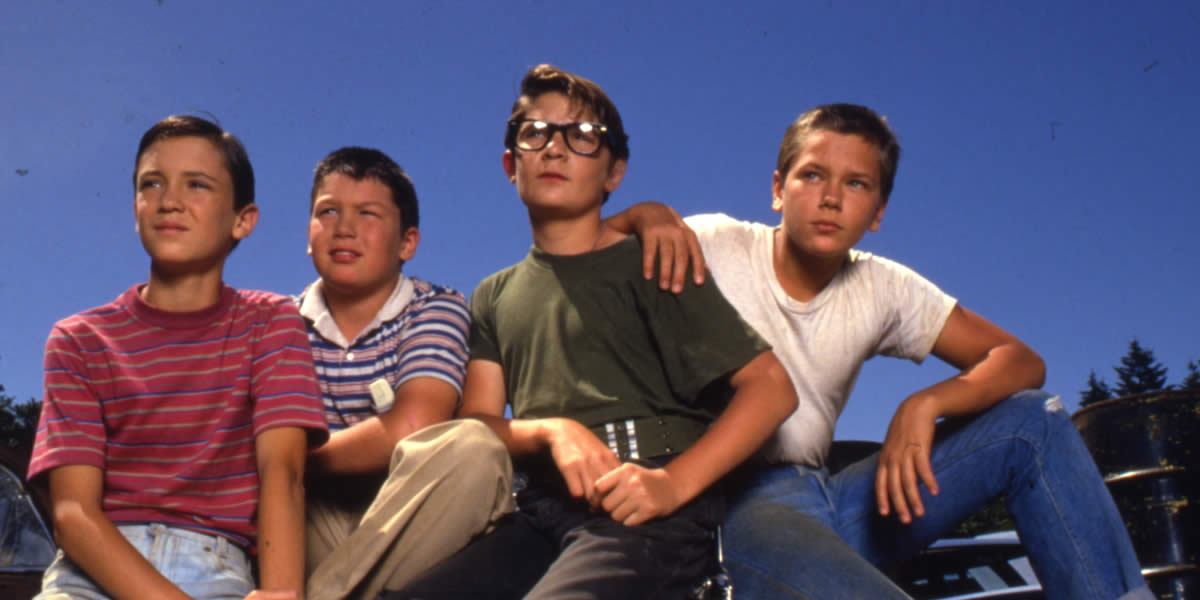
Skid Row’s 18 and Life gave late-80s hard rock a darker edge, combining soaring vocals, memorable guitar work, and a tragic story that still resonates.
In 1989, hard rock had a particular look and sound. Electric guitars gleamed beneath stage lights, drums landed with arena-sized force, and singers delivered choruses built to travel from concert halls into bedrooms, cars, and suburban basements. On television, music videos turned bands into larger-than-life characters. On the radio, melodic hooks competed with the harder edge of metal, while power ballads offered a dramatic counterpoint to songs about rebellion, romance, and excess.
Then Skid Row released 18 and Life, a song that used the familiar tools of the era to tell a story that was anything but carefree.
The track opens with a measured guitar figure, creating a moment of suspense before the full band arrives. Sebastian Bach’s voice carries the narrative with a mixture of youthful intensity and theatrical control. Guitars grow heavier as the story unfolds, and the chorus expands into a powerful statement about a young man whose life has taken a devastating turn. The music is built for a crowd, but the subject is painfully intimate.
Released as a single in June 1989, 18 and Life became one of Skid Row’s defining recordings and a major hit during the final years of the decade’s hair-metal boom. It reached No. 4 on the US Billboard Hot 100, introducing the band to listeners far beyond the established hard-rock audience.
More than a showcase for a gifted young singer or a memorable guitar arrangement, the song offered something less common in mainstream glam metal: a narrative about violence, consequence, and the fragile boundary between youth and adulthood. Its sound belonged unmistakably to the late 1980s, but its subject reached beyond fashion and genre.
That combination helped make 18 and Life an enduring rock anthem. It captured the decade’s appetite for big, dramatic music while reminding listeners that the stories behind those sounds could be unsettlingly real.

The Late-80s Hard-Rock Scene That Made Skid Row Stand Out
By the second half of the 1980s, hard rock had become a highly visible part of American popular culture. MTV helped transform music videos into essential promotional tools, and bands with distinctive looks, charismatic frontmen, and instantly recognizable choruses had an advantage. Arena tours, glossy album covers, and radio-friendly singles helped create a commercial environment in which heavy guitars could coexist with pop accessibility.
The style commonly called hair metal was not a single, uniform sound. Some bands emphasized blues-based riffs and swagger. Others leaned toward theatrical presentation, romantic ballads, or increasingly polished production. The biggest acts could move between these approaches, offering a hard-driving concert song alongside a slower track designed for radio rotation.
Skid Row arrived during this crowded period with a combination of melodic songwriting and a tougher image. The New Jersey band featured vocalist Sebastian Bach, guitarists Dave “Snake” Sabo and Scotti Hill, bassist Rachel Bolan, and drummer Rob Affuso. Its self-titled debut album appeared in 1989, establishing a sound that could deliver both the force expected of a metal band and the hooks necessary for mainstream success.
The group had a useful advantage in its songwriting partnership. Sabo and Bolan brought a strong sense of riff and rhythm to the material, while Bach supplied a voice capable of moving from a rough-edged attack to a high, sustained melodic line. Hill’s guitar work added another dimension to the band’s arrangements, and Affuso’s drumming gave the songs their forward momentum.
Skid Row’s image could fit comfortably into the late-80s rock landscape, but the music was not limited to the party-minded side of the scene. The band’s debut included “Youth Gone Wild,” a defiant song about identity and alienation, as well as the romantic ballad “I Remember You.” 18 and Life revealed a different kind of ambition: a song that used the scale and drama of arena rock to tell a cautionary story.
That distinction mattered. The late 1980s were full of songs designed to make listeners feel invincible. 18 and Life began with a young man who seems to have little control over the direction of his existence, then follows the consequences of a terrible decision. Its emotional force came from the tension between the music’s grandeur and the narrative’s grim destination.
How 18 and Life Became Skid Row’s Breakthrough
The song was written by Sabo and Bolan and recorded for Skid Row’s debut album, with Michael Wagener producing. Its release as a single in June 1989 placed it at a pivotal point in the band’s early career.
The debut had already introduced Skid Row’s harder-edged side through “Youth Gone Wild.” That song presented the band as restless outsiders, using a direct, chant-ready chorus to turn frustration into collective defiance. 18 and Life broadened the picture. Instead of focusing on a general feeling of rebellion, it centered on a character whose circumstances lead toward irreversible consequences.
That shift gave the song a different emotional register. The story was specific enough to follow, yet broad enough to invite listeners to consider the forces shaping a young life. Its central character, Ricky, is presented through a series of choices and circumstances rather than as a distant symbol of criminality. The song’s tragedy is not simply that something terrible happens. It is that a life with possibilities narrows into a future defined by one disastrous event.
The single reached No. 4 on the Billboard Hot 100, a remarkable achievement for a heavy-rock band. It also reached No. 11 on the publication’s Album Rock Tracks chart, demonstrating its appeal to rock radio. In the United Kingdom, it eventually peaked at No. 12 on the Official Singles Chart.
These numbers tell part of the story, but the song’s broader appeal came from its unusual balance. The arrangement was heavy without becoming musically impenetrable. The vocal was dramatic without losing the thread of the narrative. The chorus was memorable enough to invite a singalong, even though the song did not offer the carefree emotional release associated with many popular rock anthems.
Listeners did not need to know the details of Skid Row’s formation or the distinctions between different branches of metal to understand the basic emotional conflict. The song gave them a character, a turning point, and a consequence. It did so in a form that worked on commercial radio and still felt forceful when played at full volume.
The Story of Ricky and the Weight of the Song’s Title
The title 18 and Life compresses the song’s central tragedy into a few words. Eighteen is the age associated with the beginning of adult independence in the United States. It suggests new possibilities: leaving home, taking responsibility, making decisions, and imagining a future beyond childhood.
Life, in this title, carries a harsher meaning. The phrase points toward a sentence of life imprisonment, transforming the promise of adulthood into a permanent restriction. The contrast is the song’s most powerful idea. A person has only just reached the threshold of adult life, yet the future is already being described in terms of what has been lost.
Ricky is the story’s center, but he is not presented as an uncomplicated hero. The narrative depicts a young man shaped by difficult circumstances and destructive behavior, whose actions ultimately lead to another person’s death. His story is a tragedy, not a simple celebration of rebellion.
That distinction separates 18 and Life from many songs that treated danger as part of a glamorous rock-and-roll lifestyle. Here, risk has a cost. The consequences do not disappear when the music stops, and the story does not offer an easy way to reverse what has happened.
The song’s effectiveness also depends on what it leaves unsaid. It does not provide a complete biography of Ricky, nor does it attempt to explain every aspect of his background. Instead, it supplies enough detail to establish a recognizable human situation and allows the listener to fill in the wider circumstances. That economy is part of the craft. A three-minute rock song cannot function like a novel, but it can make a small number of details carry considerable emotional weight.
The title itself does much of the work. It joins a milestone of youth to the prospect of lifelong punishment, forcing two different ideas into the same short phrase. The result is memorable because it is both clear and unsettling.
The song does not need to claim that one incident explains an entire person. Its drama comes from the collision between a young life still in progress and a consequence that may close off nearly every possibility ahead.
Sebastian Bach’s Voice Gave 18 and Life Its Emotional Force
A story this dark required a singer who could make the words feel immediate without turning them into melodrama. Sebastian Bach’s performance became one of the recording’s defining features.
Bach had the range and projection associated with the era’s most prominent metal vocalists. He could cut through dense guitars with a high, ringing tone, but he also had enough flexibility to shape a line rather than simply sustain it at maximum volume. On 18 and Life, that control helps the narrative remain intelligible as the music grows more intense.
The verses are comparatively restrained. They establish the story and give the listener time to follow it. As the arrangement builds, Bach’s delivery becomes more forceful, adding urgency to the events being described. The chorus then opens into a larger vocal statement, with the title phrase serving as its emotional anchor.
This movement from relative restraint to full-throated release is a familiar tool in hard rock, but its placement matters. The song does not begin at maximum intensity and remain there. It develops. The vocal follows the story’s changing emotional temperature, allowing the chorus to feel earned rather than merely louder.
Bach’s performance also helped define Skid Row’s identity. His voice could sound raw and confrontational, yet it could carry a melody with precision. That combination made him suited to songs that needed both the physical impact of metal and the accessibility of mainstream rock.
The vocal does not ask the listener to admire Ricky. It asks the listener to hear the tragedy. That difference is important. The song’s emotional center lies in the loss of a future, not in the thrill of a character behaving recklessly.
Bach’s ability to project intensity while keeping the narrative clear helped the song reach listeners who might not otherwise have been drawn to a heavy-metal recording. A person could be attracted by the voice, the chorus, or the guitars and then discover that the story was more serious than the surface suggested.
The Guitars, Rhythm, and Slow-Building Drama
18 and Life is often remembered for its vocal and chorus, but the arrangement is equally important to its impact. The opening guitar figure creates space before the full band enters, establishing a mood that is reflective rather than immediately aggressive. It gives the song a recognizable musical identity before the first verse begins.
As the recording develops, the guitars move between melodic passages and heavier accents. This contrast allows the song to retain its narrative shape. The instrumental parts do not simply fill the space between vocal lines; they help control the pace, making the transition into the chorus feel like an increase in emotional pressure.
The rhythm section provides a steady foundation. Bolan’s bass and Affuso’s drums support the guitar arrangement without crowding it, keeping the song moving even when the vocal becomes expansive. The result is a performance with weight but also definition. Each part has room to register, and the dynamics make the track feel larger than its running time.
The production by Wagener gives the instruments a polished, forceful presence appropriate to late-80s hard rock. The sound is clear enough for the melody to remain prominent, while the guitars retain the edge necessary to keep the recording from becoming a conventional pop ballad.
That balance helps explain why 18 and Life worked in more than one listening environment. On a home stereo, the quieter opening and gradual build rewarded attention. On rock radio, the chorus and vocal made the song immediately recognizable. Played through car speakers or a cassette deck, it could deliver the physical sensation of hard rock while still giving the listener a story to follow.
The arrangement also avoids making every moment equally grand. The quieter passages create contrast, and the heavier sections gain force because the song has not spent its entire length at full volume. The dynamics mirror the narrative’s movement from background and circumstance toward consequence.
This is one reason the recording remains effective decades later. Its power does not depend entirely on the fashions of 1989. The song is carefully constructed, with an opening that establishes mood, a vocal that guides the story, and a chorus that concentrates its central idea.
18 and Life and the Music-Video Era
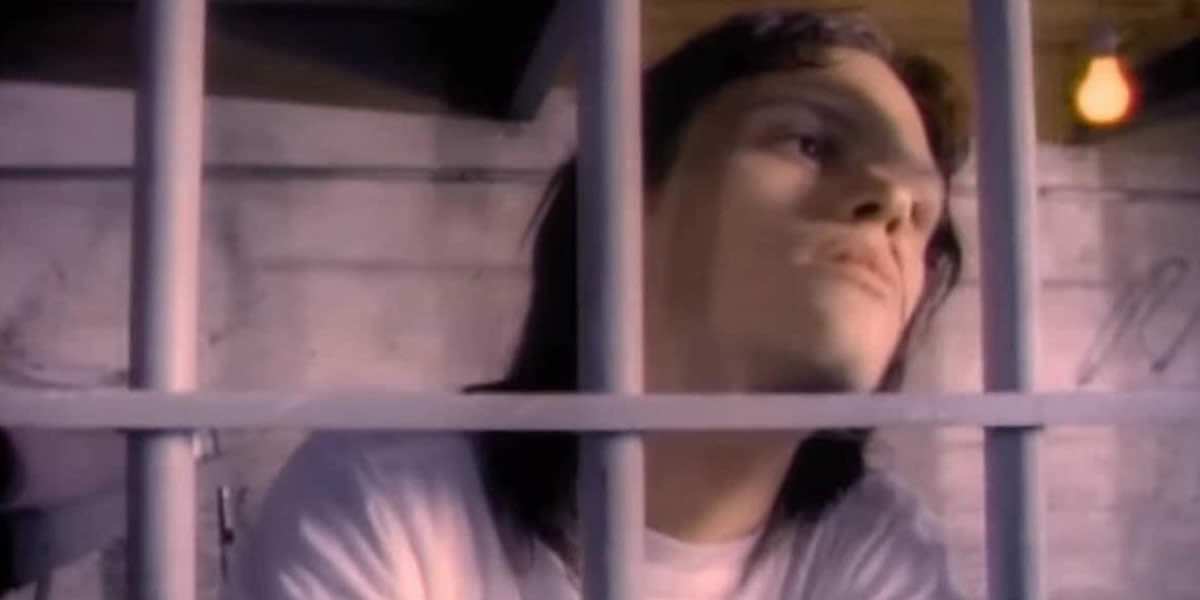
By 1989, the music video had become a major part of how many listeners encountered rock music. MTV gave bands a way to present not only their songs but also their visual identities. Hair, clothing, stage presence, lighting, and narrative imagery could all become part of a track’s public meaning.
For a band like Skid Row, the visual medium offered an opportunity to reach beyond concert audiences and record-store customers. A viewer might first notice Bach’s striking appearance or the band’s hard-rock image, then stay with the video because of the story. In that sense, 18 and Life suited the period’s growing interest in videos that did more than document a performance.
The song’s subject lent itself to dramatic visual treatment. Its narrative involves a young man, a destructive chain of events, and a consequence that changes the meaning of his future. The music could provide the emotional arc, while imagery gave viewers a more concrete way to follow the story.
The visual culture of late-80s rock often emphasized spectacle, but narrative songs offered another possibility. They could use the music video to deepen the listener’s understanding of a character or situation. In 18 and Life, the contrast between a band associated with youthful energy and a story about a young person’s downfall created an especially strong tension.
The video also helped the song live in the public imagination as something more than an audio recording. The melody could be heard on the radio, while the visual presentation made the story easier to remember. For a generation accustomed to music arriving through multiple channels, that repetition helped cement the song’s identity.
Still, the song’s endurance cannot be reduced to MTV. Videos can introduce a recording to a large audience, but they cannot substitute for a compelling composition. 18 and Life had the musical structure, vocal performance, and narrative focus to survive beyond its initial promotional cycle.
Its video belongs to the period that made it a hit, but the song’s core drama remains understandable even without the visual context. That is an important distinction between a track that depends on a moment’s imagery and one whose underlying composition can continue to find new listeners.
Why 18 and Life Reached Beyond Hair Metal
The song arrived at a time when the boundaries between hard rock, heavy metal, and mainstream pop were often porous. A band could possess the volume and image of metal while writing a chorus that worked on a broad commercial scale. Skid Row understood that balance, and 18 and Life became one of its clearest demonstrations.
Its success also challenged the assumption that heavy rock had to choose between musical force and emotional seriousness. The track could deliver a powerful chorus without abandoning the gravity of its subject. It was accessible, but it did not offer easy reassurance.
That combination made it different from a party anthem. The song’s central character does not escape the consequences of his behavior through charm or bravado. The story narrows toward an ending that feels tragic precisely because the character is young. The music makes the narrative memorable, but it does not make the outcome feel like a victory.
The song’s commercial performance showed that listeners would respond to a dark narrative when it was delivered with a strong melody and a clear emotional structure. Its No. 4 peak on the Hot 100 placed it among the era’s major crossover rock hits. It was also certified gold by the Recording Industry Association of America in September 1989, reflecting the commercial momentum behind the release.
The achievement was significant for Skid Row. The band had found a way to present its musical identity to a wide audience without sanding away its harder edges. The song could sit beside polished pop-rock singles on the radio while retaining the guitars, vocal intensity, and darker themes that made it a hard-rock recording.
It also helped distinguish the band from the most disposable stereotypes of the hair-metal era. Skid Row could embrace the style’s theatricality and melodic accessibility, but its material was not limited to songs about parties, romance, or rock-star fantasy. 18 and Life gave the band a signature song with a serious narrative, one that could be discussed in terms of songwriting and storytelling as well as performance.
The broader lesson is not that the song transcended its genre entirely. It belongs to the sound and culture of its time. Rather, it used the strengths of that genre to tell a story that could reach listeners with different musical tastes.
How 18 and Life Survived the End of the 80s
The musical landscape changed quickly after Skid Row’s breakthrough. Alternative rock gained wider commercial influence in the early 1990s, and the polished look and sound associated with hair metal lost some of their dominance. Many bands that had filled arenas found themselves confronting a new set of industry expectations.
Songs, however, do not always fade at the same pace as the styles that produced them. 18 and Life continued to circulate through rock radio, greatest-hits collections, live performances, and later digital listening. Its central melody remained recognizable, while the story gave listeners a reason to return to it beyond the appeal of its period sound.
The recording also became a point of continuity for Skid Row itself. The band’s history would include lineup changes and new phases of activity, but 18 and Life remained a core part of its catalogue. Its continued presence in the band’s repertoire reflects the way a signature song can outlast the circumstances of its original release.
In later years, the track acquired another connection to a younger generation through Swedish singer Erik Grönwall. In 2009, Grönwall performed 18 and Life during his successful run on Idol in Sweden. The song later became part of the story of his connection with Skid Row, which he joined as lead vocalist in 2022. In a 2022 interview, bassist Rachel Bolan reflected on the striking full-circle nature of a song that had helped launch the band’s career also playing a role in Grönwall’s path toward it.
That episode illustrates the way classic rock songs can take on new meanings as they move between performers and audiences. A song written in one era can become an audition piece for a singer born later, introducing its melody and emotional structure to people who were not alive when it first reached the charts.
The digital era has accelerated that process. Listeners can discover 18 and Life through playlists, recommendation systems, performances, and video clips rather than through the radio programming that originally helped make it a hit. The path to the song has changed, but the elements that make it memorable remain the same.
Its longevity also reflects the durability of narrative songwriting. A song about a particular character and a terrible outcome can continue to resonate because the underlying questions do not belong to a single decade. How much does circumstance shape a young person’s choices? When does a reckless act become a life-changing tragedy? What does it mean to reach adulthood only to discover that the future has been radically narrowed?
18 and Life does not answer those questions in a neat moral lesson. Its power comes from making the listener sit with them.
The Lasting Legacy of Skid Row’s 18 and Life
There are many ways to remember the late 1980s: the fashion, the oversized production, the music videos, and the guitar-driven singles that filled radio schedules. 18 and Life belongs to that world, but its staying power comes from more than a familiar sound or an instantly recognizable chorus.
The song brings together several elements that could easily have worked against one another. Its arrangement is polished but forceful. Its vocal is theatrical but focused. Its chorus is built for a crowd, yet the story at its center is intimate and tragic. Each element supports the others, allowing the track to function as both a hard-rock anthem and a compact piece of narrative storytelling.
For Skid Row, the single helped establish a place in the crowded rock landscape of 1989. For listeners, it offered a song that could be enjoyed for its guitars and melody while leaving behind a more troubling impression. It showed that a band associated with the visual and musical excesses of the era could also deliver a story about consequence and lost potential.
The phrase at the heart of the title remains effective because it sets two ideas against each other: the beginning of adult life and the possibility of losing that life to a single irreversible outcome. The contrast is simple, but it is not shallow. It gives the song a center that listeners can understand immediately and consider long after the final chord.
That is why 18 and Life still matters. It is a distinctly late-80s recording, shaped by the era’s melodic hard rock and music-video culture, but it is not trapped there. The production and performance preserve the sound of its moment; the story gives it a longer life.
Skid Row made an anthem out of a tragedy without turning the tragedy into a celebration. The result remains one of the band’s most recognizable songs and a reminder that rock music’s loudest moments can sometimes carry its most sobering stories.