Gremlins mixed adorable creatures, Christmas magic, and gleefully dark comedy into an unforgettable 1980s film that changed family entertainment.
Imagine a small American town at Christmas. Store windows glow against the winter darkness. Houses are decorated with strings of lights, families gather around dinner tables, and the local movie theater offers a welcome escape from the cold. Somewhere in that familiar landscape, a young man brings home a tiny, furry creature with enormous eyes and a gentle expression. It looks like the perfect present, the kind of unusual pet a child might dream about finding beneath the tree.
Then somebody breaks the rules.
In Joe Dante’s Gremlins, released in June 1984, the holiday season becomes a setting for comic disaster. A seemingly harmless creature called Gizmo produces a new generation of furry troublemakers, and the picture-postcard town of Kingston Falls becomes a playground for creatures that enjoy destruction as much as they enjoy a good joke. Christmas decorations, small-town respectability, and domestic comfort offer little protection when the gremlins arrive.
The film was a peculiar kind of movie magic. It had the warmth of a family fantasy, the suspense of a horror picture, the timing of a slapstick comedy, and an affection for old Hollywood that could turn a familiar movie reference into part of the joke. It was cute until it wasn’t, funny until the laughter caught in your throat, and inventive enough to make an ordinary kitchen seem like a dangerous place.
That mixture helped make Gremlins one of the defining films of the 1980s. Produced by Steven Spielberg’s Amblin Entertainment and released by Warner Bros., it arrived during a period when Hollywood was increasingly interested in high-concept entertainment, memorable creatures, and films that could reach audiences through both storytelling and merchandise. Yet Gremlins was not content to behave like a conventional family blockbuster. It invited viewers to enjoy its cuddly hero, then challenged their assumptions about what a movie featuring such a creature was supposed to be.
More than four decades later, the film’s appeal rests on that contradiction. Gremlins celebrates the wonder of an extraordinary pet while imagining the chaos that follows when people treat wonder carelessly. It is a Christmas movie in which good intentions are not enough, a monster movie that knows how to deliver a punchline, and a distinctly 1980s reminder that the things we welcome into our homes can change everything.

Gremlins Began With an Ordinary Christmas Wish
At the center of Gremlins is Billy Peltzer, played by Zach Galligan, a young man trying to find his footing in a small town. Billy works at a local bank and lives with his parents, Lynn and Randall, played by Frances Lee McCain and Hoyt Axton. Randall is an enthusiastic but unsuccessful inventor, forever imagining a product that might finally turn his creative energy into financial success. His latest travels bring him to a mysterious shop in Chinatown, where he encounters a creature unlike anything he has seen before.
The creature is a mogwai, a small, furry being with bright eyes, oversized ears, and an expression that seems permanently poised between curiosity and innocence. The shopkeeper, Mr. Wing, played by Keye Luke, does not want to sell him. Randall’s insistence eventually leads to a compromise, and Billy receives the unusual animal as a gift.
Billy names him Gizmo.
The premise works because it begins with a familiar domestic ritual. Parents and relatives search for the right present, hoping that a gift will bring excitement, affection, or a little magic into an otherwise ordinary life. Randall’s discovery is more extravagant than a bicycle or a new stereo, but the emotional impulse behind it is recognizable. He wants to give his son something special.
The film also understands that a gift can carry responsibilities that the giver has not fully considered. Gizmo comes with three rules: keep him away from bright light, never get him wet, and never feed him after midnight. The instructions sound like the terms of an unusual pet’s care, but they are also the machinery of a fairy tale. A boundary is established, the characters are told what not to do, and the audience waits to see what happens when curiosity and carelessness collide.
That is a powerful foundation for a comedy of escalating mistakes. Billy is not deliberately trying to destroy his town. Randall is not trying to unleash a monster. The disaster grows from ordinary people dealing imperfectly with something they do not understand.
The film’s Christmas setting sharpens the contrast. This is supposed to be a season of generosity, family, and familiar comforts. A new pet should make the house warmer, not more dangerous. Yet the Peltzers’ gift introduces a problem that their everyday habits cannot contain.
The first half of Gremlins takes pleasure in that tension. Gizmo is lovable enough to make the rules feel worth following, while the possibility of breaking them hangs over the story like a storm cloud above a decorated Christmas tree. The audience wants the little creature to be safe. It also knows that a film called Gremlins cannot remain peaceful for long.
Gizmo Made Movie Audiences Fall in Love Before the Chaos
Gizmo is the emotional center of the film, and his design is crucial to its success. With soft fur, expressive ears, and large eyes, he looks like a creature built to inspire immediate affection. He can appear frightened, curious, pleased, or wounded without needing to explain himself in words. The performance depends on physical expression, careful movement, and the audience’s willingness to read personality into a face that belongs to an invented animal.
The character was created through practical creature effects supervised by Chris Walas, whose team spent months developing the puppets and techniques needed to bring the mogwai and gremlins to life. Rather than relying on computer-generated imagery, which would become a defining tool of later fantasy filmmaking, Gremlins used physical puppets, mechanisms, and performance to make its creatures appear present in the same rooms as the human cast.
That practical approach gave Gizmo a tangible personality. He could sit in Billy’s hands, look toward a sound, react to another character, and occupy the same domestic space as a coffee cup, a lamp, or a Christmas decoration. The scale of the puppet made the relationship between human and creature feel immediate. Gizmo was not simply an effect inserted into a scene. He was an object around which the actors had to organize their movements and attention.
The result was a character who could command sympathy without dominating the film through dialogue. His small sounds, movements, and reactions encouraged viewers to care about him. When the story turned darker, that affection became part of the emotional stakes. The audience did not want to see the mogwai harmed, and it certainly did not want him confused with the creatures that followed.
Gizmo also occupied an appealing place in the 1980s imagination. The decade had a strong appetite for fantastical companions, from extraterrestrials and friendly robots to unusual creatures who became members of a human household. Such characters offered children the promise of friendship beyond the ordinary world. They also gave adults a way to reconnect with the sense that an object or animal could possess a personality far larger than its physical form.
Yet Gizmo was more than a cute mascot. His innocence made him a contrast to the greed, impulsiveness, and destructive behavior that would soon overwhelm the story. He does not want to terrorize the town. He is not responsible for the malicious choices of his offspring. His presence reminds the audience that the same extraordinary event can produce different outcomes depending on the character of the creature involved.
That distinction keeps Gremlins from becoming a simple tale about a dangerous animal. The real trouble comes from the gap between appearance and behavior, between the desire to possess something wonderful and the willingness to respect its limits.
The Three Rules Turned Gremlins Into an Unforgettable Horror Comedy
Few movie premises are as easy to explain as the rules governing a mogwai. Do not expose him to bright light. Do not get him wet. Never feed him after midnight. Each instruction is simple enough for a child to remember, which makes it all the more frustrating when the characters fail to follow them.
The rules also provide a clean structure for the film’s escalation. Getting Gizmo wet produces additional mogwai. Feeding the new creatures after midnight leads to the emergence of the gremlins, darker and more aggressive versions of the original beings. Bright light becomes a weakness for the creatures, creating opportunities for suspense and action once the town is under attack.
The cleverness lies in the way the rules transform familiar domestic spaces into sources of danger. Water is an ordinary part of life. Food is a routine necessity. Light is something people switch on without a second thought. In Gremlins, these everyday elements become potential triggers for disaster.
The effect is almost like a child’s game with impossibly strict instructions. The audience understands the conditions and watches for the moment when someone makes a mistake. The humor comes partly from the predictability of the catastrophe. The suspense comes from not knowing how far the consequences will go.
Once the gremlins appear, the tone changes dramatically. They are not merely larger numbers of Gizmo. They are mischievous, vicious, and delighted by the opportunity to cause trouble. Their faces are more sinister, their behavior more unpredictable, and their relationship with human beings distinctly hostile. Where Gizmo inspires protective affection, the gremlins provoke the nervous laughter that comes from watching a situation become dangerously absurd.
Director Joe Dante was well suited to this combination. His earlier films, including Piranha and The Howling, demonstrated an interest in horror that could be both effective and playfully self-aware. In Gremlins, he brought that sensibility into a more broadly accessible setting. The film knows how monster movies work, but it also enjoys making fun of the expectations those movies create.
The result is not simply a horror film with jokes added to it. The comedy and horror grow from the same premise. The creatures are funny because they are so destructive, and they are frightening because their destruction has real consequences within the story. Their gleeful behavior gives the film its energy, but the practical effects make their actions feel physical enough to disturb.
That balance explains why Gremlins can be remembered as both a Christmas fantasy and a monster movie. It offers the pleasure of a magical creature while exploring the consequences of letting that magic loose. Its rules are simple, its premise is instantly recognizable, and its escalation is as entertaining as it is unsettling.
Joe Dante and Chris Columbus Gave Gremlins Its Dark Comic Personality
The film’s unusual tone begins with its screenplay by Chris Columbus, who developed the story before going on to write and direct several other major films. The project came to Amblin through Columbus’s script, which caught Spielberg’s attention. Spielberg helped bring it into production, while Dante’s direction shaped the final film’s blend of fantasy, comedy, and horror.
Dante and Columbus approached the material from different but complementary directions. The script supplied the central concept and the structure of the chaos. Dante brought an instinct for comic timing, genre references, and the pleasures of disrupting audience expectations. Under his direction, the town becomes more than a neutral setting for monster attacks. It represents the comfortable, idealized version of American small-town life that the gremlins are about to tear apart.
Kingston Falls is full of recognizable types and familiar institutions. There is the family home, the bank, the local businesses, the neighborhood, and the Christmas celebration. The setting recalls the kind of reassuring community often found in older American films. Its very familiarity makes it vulnerable to parody.
Dante also gives the film a fondness for cinema history. Movie references and visual jokes appear throughout, rewarding viewers who recognize the conventions being played with. The film’s use of footage from Disney’s Snow White and the Seven Dwarfs, for example, is not an accidental detail. It reflects a willingness to let one kind of movie intrude upon another, bringing old animation into a modern fantasy-horror comedy.
The tone could easily have become incoherent. A film that shifts between a cuddly creature, family drama, black comedy, and creature-feature mayhem risks feeling as if several different pictures have been stitched together. Dante’s achievement was to make those changes part of the design. The first half encourages the audience to settle into the fairy-tale premise. The second half violates that sense of security, but it does so with a comic sensibility that prevents the film from becoming relentlessly grim.
The balance was not automatic. Contemporary accounts and later retrospectives have noted that Dante adjusted the film’s mix of violence and humor after seeing how audiences responded to an early version. The process helped bring the two halves into a more effective relationship. The idyllic opening and the chaotic second half are meant to feel different, but they still belong to the same film.
That tension became a defining part of Gremlins. It was playful enough to attract viewers who liked fantasy and comedy, but mischievous enough to challenge anyone who expected a conventional family adventure. Rather than choosing between innocence and horror, the film built its identity around their collision.

Gremlins Turned a Christmas Town Upside Down
When the gremlins take over Kingston Falls, the movie’s familiar environment becomes a comic battlefield. A quiet town that has been preparing for Christmas suddenly finds itself facing creatures that treat public spaces, domestic comforts, and social conventions as invitations to cause trouble.
The transformation is central to the film’s appeal. The gremlins are not invading a remote castle or an abandoned laboratory. They are loose in a place that looks like somewhere people live. The town’s stores, streets, and homes are recognizable, and the creatures’ behavior becomes funnier because it violates the expectations attached to those spaces.
A movie theater, for instance, is supposed to be a place where people sit quietly and watch a story unfold. In Gremlins, it becomes a setting for the creatures’ unruly appetites and their enjoyment of other people’s fear. The gremlins are not just physically dangerous. They are disruptive spectators, mocking the idea that entertainment should follow an orderly script.
The film also uses the holiday setting to complicate the meaning of Christmas. Seasonal movies often promise reconciliation, generosity, and the restoration of family harmony. Gremlins retains some of that warmth through Billy’s relationship with Gizmo and the Peltzer household, but it refuses to keep the season safely sentimental.
The Christmas decorations become part of the absurdity. The festive town is full of cheerful symbols, yet its residents are not protected by the holiday spirit. The creatures do not respect the meaning of Christmas, and they have no interest in behaving appropriately for the season. Their arrival makes the contrast between celebration and chaos impossible to miss.
One of the film’s most unsettling moments comes when Kate, played by Phoebe Cates, explains why she dislikes Christmas. Her story about discovering her father’s death in a chimney while he was dressed as Santa Claus is dark, unexpected, and delivered with a seriousness that briefly cuts through the surrounding comedy. The scene exposes a painful truth beneath the movie’s festive surface: holidays can be difficult for people carrying private grief.
That moment gives the film a more complicated emotional range than its reputation as a mischievous creature comedy might suggest. The town’s Christmas cheer is not universal, and the arrival of the gremlins does not create every problem in the characters’ lives. It magnifies the vulnerabilities already there.
The movie’s chaos is therefore not only physical. It disrupts the comforting stories people tell themselves about home, family, and the season. Christmas remains a time of warmth and generosity, but Gremlins insists that those feelings do not make the world immune to misfortune or absurdity.
Gremlins Helped Change the Movie Rating Conversation
When Gremlins reached theaters on June 8, 1984, it arrived with a PG rating. That designation suggested that parents might want to exercise judgment, but it did not necessarily prepare families for the amount of creature violence and dark humor in the film. Some viewers had expected a cuddly fantasy, particularly given Gizmo’s appearance and Spielberg’s association with the project. Instead, they encountered a movie in which the cute creatures led to frightening transformations and increasingly graphic comic destruction.
The timing made the issue especially visible. Gremlins opened on the same day as Ghostbusters, another comedy that combined supernatural spectacle with material that was sometimes more intense than its family-friendly marketing might suggest. Earlier that summer, Indiana Jones and the Temple of Doom had also generated debate over the violence and frightening imagery considered acceptable in a PG-rated movie.
These films exposed a problem with the rating system. The PG category covered a broad range of experiences, from relatively gentle family entertainment to films that could genuinely frighten younger children. Parents who saw a familiar star, an appealing creature, or an adventure-oriented advertisement could arrive with expectations that the finished film did not meet.
The debate helped prompt the introduction of the PG-13 rating in 1984. Spielberg, who was involved with both Gremlins and Temple of Doom, played a part in the discussion around the new category. The Motion Picture Association introduced PG-13 as a way to distinguish films that were more intense than typical PG fare without placing them in the restricted R category.
It is important to get the sequence right: Gremlins was released with a PG rating, not PG-13. The new rating emerged during the controversy surrounding films such as Gremlins and Indiana Jones and the Temple of Doom. The distinction would become a lasting part of American moviegoing, giving parents and studios another way to communicate the likely intensity of a film.
The change reflected a broader tension in 1980s entertainment. Hollywood wanted movies that could attract young audiences and families, but it also wanted the freedom to deliver more exciting, frightening, or irreverent material. The same film could appeal to children through its creatures and humor while unsettling parents through its violence and dark jokes.
Gremlins made that tension unusually visible because its marketing and premise invited affection before revealing the danger. The movie did not simply challenge the rating system. It showed how easily a film’s tone could cross boundaries that a single letter category could not fully explain.
Today, the PG-13 rating is a familiar part of movie culture. Its creation is one of the most important legacies of the summer of 1984, and Gremlins remains central to the story of why the industry needed a more nuanced way to classify films.
Practical Effects Made Gremlins Feel Real
Modern audiences are accustomed to digital creatures that can move through environments without physical limitations. In 1984, the creatures in Gremlins were made through an elaborate combination of puppetry, mechanical effects, and carefully staged performance. The work required planning, patience, and a close relationship between the effects team and the actors.
Chris Walas and his collaborators had to create creatures that could do more than sit in one position. Gizmo needed to react, move, express fear, and convey affection. The gremlins needed a different vocabulary of movement, one that could suggest malicious intelligence and comic appetite. Their faces, hands, mouths, and bodies had to work together to communicate character in the brief moments available on screen.
Practical effects placed real objects in front of the camera. That had limitations, but it also provided an important advantage: the creatures occupied physical space. Actors could look at a puppet, respond to its movement, and build a performance around the object. Lighting, camera placement, and editing helped the effects blend into the film’s world.
The result feels tactile. Gizmo appears to have weight when he is carried. The gremlins look as though they can knock things over, handle objects, and get into trouble in the same rooms where the human characters live. Their scale makes ordinary household objects seem enormous, while their expressions give them a personality that survives even when they are behaving horribly.
The practical work also encouraged inventive staging. The creatures could be placed in familiar environments and made to interact with everyday objects, creating humor from the contrast between their small size and their destructive ambitions. A kitchen appliance or a household light could become a prop in a scene of comic suspense. The domestic world itself supplied the tools for the creatures’ mischief.
Jerry Goldsmith’s score adds another dimension to the film’s personality. The music moves between wonder, suspense, and mischief, reinforcing the contrast between Gizmo’s gentle presence and the gremlins’ destructive energy. The soundtrack helps the movie shift between tones without relying entirely on dialogue or visual effects to signal a change.
The film’s effects were not simply a technical attraction. They were part of its storytelling. Gizmo’s physical expressiveness made him lovable, while the gremlins’ exaggerated movements helped turn their cruelty into a form of dark slapstick. Their appearance and behavior worked together to make the movie’s central contrast visible.
That achievement helps explain why Gremlins continues to appeal to audiences interested in the craft of filmmaking. Its creatures are not just memorable designs. They are performances created through a collaboration between artists, technicians, puppeteers, actors, and a director who understood how much character could be communicated through movement.
Gremlins Became a Lasting Part of 80s Pop Culture
The film’s commercial success helped turn its creatures into recognizable figures beyond the theater. Gizmo was an especially natural character for merchandise, with his distinctive ears, soft fur, and immediately readable expression. Toys and related products allowed audiences to bring a version of the film’s magic into their homes, extending the relationship between the movie and its viewers.
That merchandising was part of a wider change in Hollywood during the 1980s. Films increasingly functioned as more than two-hour stories. A successful release could generate toys, games, clothing, home-video sales, and follow-up productions. Characters needed to be recognizable at a glance, and a distinctive creature could become an enduring symbol of a film’s identity.
Gremlins offered an unusual merchandising challenge. Gizmo was cuddly and appealing, but the movie’s title creatures were deliberately unpleasant. The contrast was useful rather than inconvenient. Gizmo could serve as the friendly face of the franchise, while the gremlins preserved the mischievous, slightly dangerous spirit that made the film distinctive.
The film’s influence also extended into its sequel, Gremlins 2: The New Batch, released in 1990. The follow-up took the premise into a more exaggerated, self-aware direction, leaning further into satire and cartoonish chaos. Its existence showed that the original’s world could support another story without depending entirely on the surprise of the first film’s transformation.
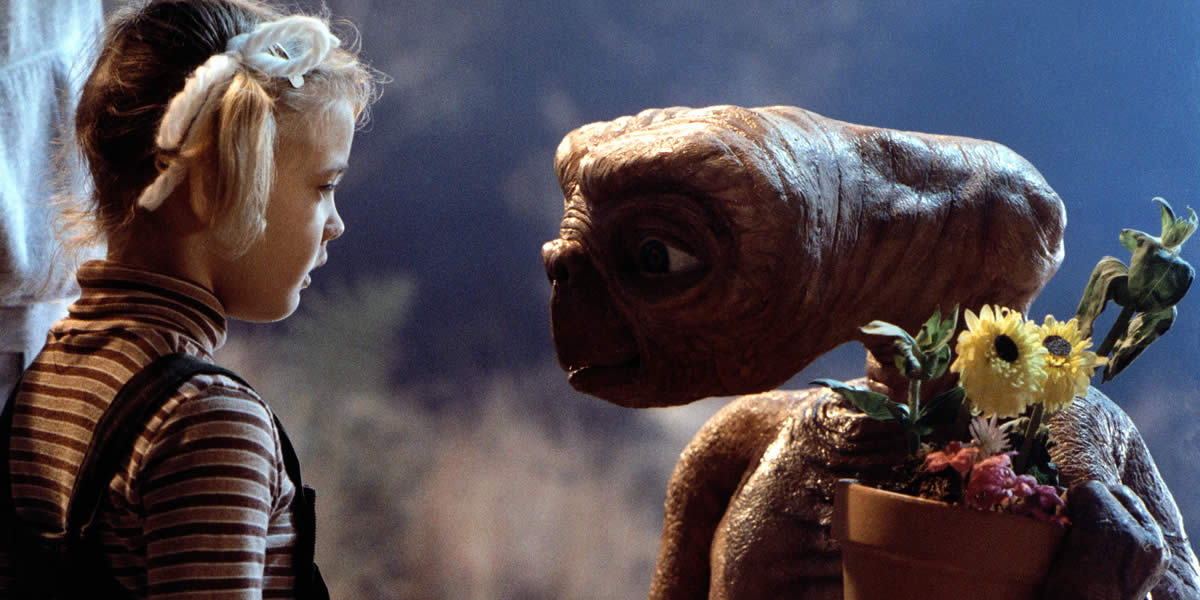
Over time, Gremlins became a regular part of discussions about 1980s fantasy and horror comedy. It is often remembered alongside films that blended family adventure with more unsettling material, including E.T. the Extra-Terrestrial, Ghostbusters, and The Goonies. The comparison is useful, but Gremlins has a character of its own. It is more openly interested in the pleasure of disruption, and it is less willing to promise that every extraordinary event will end in comfort.
The film also helped establish the idea that holiday entertainment did not have to be gentle. Its Christmas setting gives it a seasonal identity, but the story is not a traditional holiday tale. It is a dark comedy about temptation, responsibility, and the chaos that follows when a community’s ordinary routines are interrupted by something it cannot control.
For audiences who discovered the movie in the 1980s, its most enduring images may be Gizmo’s wide-eyed expression, the gremlins’ gleeful destruction, or the sight of a decorated town struggling to survive a holiday gone wrong. For later viewers, the practical effects and unusual tone offer a glimpse of a period when studios were willing to place a genuinely strange film inside the framework of a mainstream summer release.
The movie’s longevity comes from its refusal to be only one thing. It is cute and cruel, nostalgic and irreverent, a fairy tale that understands the appeal of horror. That mixture is difficult to reduce to a single genre, which is part of what keeps it interesting.
Why Gremlins Still Delivers Mischief, Mayhem, and Magic
The original Gremlins begins with a gift that seems almost too wonderful to be real. Gizmo is small enough to hold, expressive enough to love, and mysterious enough to make the ordinary world feel larger. The rules surrounding him promise that the magic can be managed. All anyone has to do is pay attention.
But attention is difficult to sustain when life is busy and good intentions seem sufficient. Randall wants to make his son happy. Billy wants to care for his new companion. The townspeople want to celebrate Christmas and get through another day. Nobody is prepared for the consequences when a small mistake becomes a disaster that spreads from one room to an entire community.
That is the film’s cleverest idea. Its monsters do not arrive from a distant planet or emerge from an ancient tomb. They grow out of a gift, a set of rules, and the ordinary human tendency to assume that a problem will remain manageable. The supernatural enters the household through an act of generosity, then exposes how fragile everyday order can be.
Joe Dante and Chris Columbus turned that premise into a film that could surprise different audiences in different ways. Children could be fascinated by Gizmo and the creatures’ extraordinary behavior. Adults could recognize the film’s satire of small-town respectability, commercial ambition, and the comforting stories people tell themselves. Movie fans could enjoy the references to earlier films, while horror enthusiasts could appreciate the way the story used suspense and practical effects to make its creatures feel tangible.
Its place in 1980s culture is equally distinctive. Gremlins arrived during a period of ambitious mainstream filmmaking, when studios were finding new ways to combine fantasy, comedy, special effects, and merchandising. It also helped expose the limitations of a rating system that struggled to describe movies that looked family-friendly but contained material that could be frightening or disturbing.
The film’s legacy is not simply that it introduced a lovable creature or created a successful franchise. It showed that mainstream entertainment could be playful without being safe, sentimental without being soft, and funny without avoiding the darker side of its own imagination.
That is why Gremlins still feels alive. Its practical creatures have a physical charm that digital effects can imitate but not quite duplicate. Its humor depends on timing and surprise rather than constant noise. Its Christmas setting offers warmth, but the story never lets the decorations hide the trouble beneath them.
And Gizmo remains at the center of it all, a reminder that magic is most appealing when it feels personal. He is the creature you want to protect, even as the film around him becomes increasingly chaotic. The gremlins provide the mayhem, but Gizmo supplies the heart.
In the end, Gremlins is a film about the uneasy relationship between wonder and responsibility. It asks what happens when a remarkable gift enters an ordinary life, and it answers with a mixture of laughter, fear, and genuine affection. That balance made it a singular 1980s hit. It is also what allows the movie to keep finding new audiences, one curious viewer at a time.